Tools have been developed
that are enabling scientists to penetrate
the very interior of single nerve cells in the
brain. Important discoveries were being made almost
daily about the inner workings of the brain. We
now know that vital chemicals carry messages between
brain cells. In essence, they allow brain cells
to "talk to" one another.
On a typical day in the brain, trillions
of messages are sent and received. The messages
that are happy, up beat messages are carried by
the brain's "HAPPY MESSENGERS" (technically
known as Biogenic Amine/Endorphin System). Other
messages are somber and quieting. They are carried
by the brain's "SAD MESSENGERS". Most
nerve centers receive input from both types of
messengers. As long as this input is balanced,
everything runs along on an even keel.
Stress,
however, causes problems with the brain's Happy
Messengers. When life is smooth, the happy
messages keep up with demand. But when too much
stress is placed on the brain, the Happy Messengers
begin to fall behind on their deliveries. As the
stress continues, the happy messages begin to fail.
Important nerve centers then receive mostly SAD
MESSAGES, and the whole brain becomes dipressed.
The person enters a state of brain chemical imbalance
.
This
is well worth listening to
Bob Beck Audio on the Brain
Tuner MP3 format
Enter Seratonin: The chemistry of
Well-Being.
Serotonin, must work
properly in order for you to sleep well.
Serotonin is responsible for making sure
that your body's physiology is set for sleeping.
If Serotonin does not do its job properly,
you will not be able to obtain a restful
sleep, no matter how hard you try.
More than 100,000 chemical reactions
go on in your
brain every second!
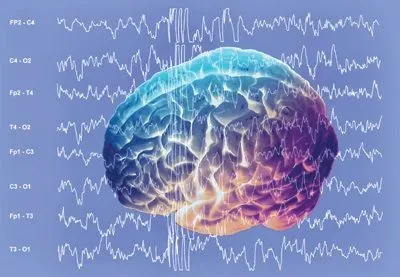
The brain is also a radio transmitter, which sends
out measurable electrical wave signals. In fact the brain continues
to send out these signals many hours after death!
Among the brain's many jobs is to be your own chemist.
The brain produces more than 50 identified active drugs. Some of these
are associated with memory, others with intelligence, still others
are sedatives.
Endorphin is the brain's
painkiller, and it is 3 times more potent than morphine. Scientific
research over the last several decades has led to the revolutionary
discovery of opiate-like chemicals in the body that associate with
opiate specific receptors in the brain and spinal cord, including Serotonin,
a hormone manufactured by your brain.
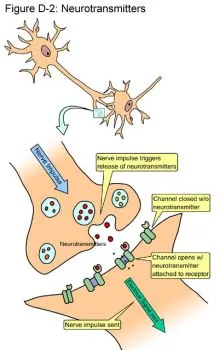
Serotonin is a neurotransmitter, involved in the
transmission of nerve impulses.
It is manufactured in your body using the amino
acid tryptophan. Release of serotonin or other drugs (depending on
the type of nerve) causes the other nerve to fire and continue the
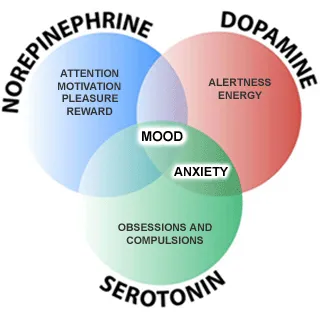
message along the "cable".. The neurotransmitters are dopamine, serotonin,
and norepinephrine. At the neurochemical and physiological level, neurotransmitters
are extremely important, since they carry impulses between nerve cells.
The substance that processes the neurotransmitter called serotonin
is the amino acid tryptophan. It increases the amount of serotonin
made by the brain. Certain aminos cause you to have better feeling
of well being. Serotonin is a chemical that helps maintain a "happy
feeling," and seems to help keep our moods under control by helping
with sleep, calming anxiety, and relieving depression.
The brain also makes Dopamine, which makes people
more talkative and excitable. It affects brain processes that control
movement, emotional response, and ability to experience pleasure and
pain. All of these chemicals are natural chemicals that affect our
bodily processes. Besides being involved in the process of addiction,
low Serotonin levels are believed to be the reason for many cases of
mild to moderate depression which can lead to symptoms like anxiety,
apathy, fear, feelings of worthlessness, insomnia and fatigue. We are
learning that depression is related to and a number of other health
issues. Depression is the nation's most prevalent mental health problem,
affecting about 15 million Americans who spend about $3 billion a year
on drugs to battle it. Almost all of these medicines target either
serotonin or norepinephrine, brain chemicals which are neurotransmitters. "Research
over the past two decades has shown...that depression is an important
risk factor for heart disease along with high blood cholesterol and
high blood pressure." - National Institute of Mental Health A whole
new class of antidepressant medications has been developed that affects
chemical messengers within the brain (the neurotransmitters). These
medications are believed to work by regulating the release or action
of Serotonin. Those drugs do help many patients, but they can cause
serious side effects, and some 20 percent of patients get no help from
today's medicines.
Research demonstrates that CES produces
a mild stimulation in the hypothalamic area
of
the brain, resulting in balancing neurotransmitter
activity (in particular Beta Endorphin and
Norepinephrine). The effects achieved are similar
to that of a "jogger's high"
People seeking these medications normally indicate
a feeling of being more or less in a state of depression. They may
feel emotionally numb, "nothing feels nice," and/or vague aches and
pains or perhaps the sensation of "aching all over," and almost invariably
have a sense of some isolation. Some people do not admit anger, sadness
or guilt; instead they withdraw and hide from society. They lose all
interest in things around them and become incapable of any pleasure.
Things appear bleak and time passes slowly for them. They are typically
angry and irritable. They often try sleeping off their depression or
do nothing but sit or lay around. In most people depression is not
severe. They can still function, but do so at a lower capacity and
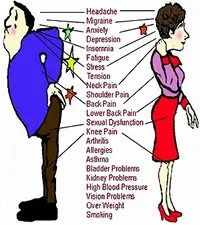
at a slower pace. Symptoms of depression include chronic fatigue syndrome,
insomnia or sleeping frequently and for excessive periods of time,
loss of appetite or a ravenous appetite, headaches, backaches, colon
disorders, and feelings of worthlessness and inadequacy. Many think
of death and consider suicide.
"Hi Barry,
Here is my testimonial for you.
After reading up on some material on the electrical
stimulation and CES machines I found Barry`s
site altered-states.net and began reading
his great site for more information. I spoke
with Barry personally and he explained some
important points on the uses of CES devices
and other suggested devices. I learned alot
from his 30 plus years experience in the health/mind
expansion field. I bought a CES device , the
BT Plus AV and even though I have been only
using it for four days I am already enjoying
the benefits. I bought the device to improve
concentration and have already noticed the
difference in now being a mixture of alert,
calm and very focused when i have a set task
at hand. Before this I would get sidetracked
or have scattered or foggy thoughts more frequently.
Even though its only been four days the benefits
of having a clearer more focused mind has also
resulted in elevation of my moods for longer
periods in the day. I am also looking forward
to seeing further improvements the longer I
use the device. If you are reading this right
now and are sitting on the fence trying to decide to get a CES device in your own hands
I highly recommend getting one and get one
through this site because Barry will take care
of you. Have an awesome day:)" P Corben
Depression may be caused by tension,
upset stomach, stress, headache, nutritional deficiencies,
poor diet, sugar mononucleosis, thyroid disorders,
endometriosis (linked to depression
in women), any serious physical disorder, or allergies.
Some people become more depressed in the winter
months when days are shorter and
darker. The sun and bright light seem to trigger
a response to a brain hormone known as melatonin
(produced by the pineal gland), which is,
in part, responsible for preventing the "blues." Stay
in brightly-lit rooms on dark days.
Research reveals
that two hours of morning sun
is very effective in lifting depression. The
evening light had comparatively little results.
Depression
begins with a disturbance in the part of
the brain that governs moods. Most people can
handle everyday stresses; their bodies readjust
to these
pressures. When stress is too great
for a person and his adjustment mechanism is
unresponsive, depression may be triggered. Diabetes
and alcoholism
also make a person more vulnerable
to depression. In recent years anti-depressants
are among the most widely prescribed medications,
in spite of their side-affects. The
presumption is that a chemically induced sense
of well bring is better than none. Withdrawal
from these medications can be particularly hazardous
and must be managed carefully. Scientists have
long hunted another
way to attack depression. It has been discovered
that some foods influence the brain's behavior,
and the brain's neurotransmitters, which regulate
our behavior, can be affected by what we eat.
Research
is showing that
some foods such as bananas and turkey have proteins
that help to create the chemical seratonin. So,
diet may contribute to depression, especially
poor eating habits and constant snacking on junk
foods. We really do not know the triggers for
hunger or appetite. It seems that serotonin
is involved, but where and how are currently
unknown. Serotonin release is triggered by a carbohydrate
load (sugar, etc.) and there are many who feel
that eating Carbohydrates under stress is aimed
at this serotonin
release. When the brain produces serotonin, tension
is eased.
When it produces dopamine or norepinephrine,
we tend to think and act more quickly and are generally
more alert. Eating carbohydrates alone seems to have a calming effect,
while proteins increase alertness. Complex carbohydrates, which raise
the level of tryptophan in the brain, have a calming effect. Protein
promotes the production of dopamine and norepinephrine, which promote
alertness. Protein meals containing essential fatty acids and/or carbohydrates
are recommended for increased alertness. Salmon and white fish are
good choices. Avoid foods high in saturated fats; consumption of port
or fried foods, such as hamburgers and French fries, leads to sluggishness,
slow thinking, and fatigue.
Fats inhibit the synthesis of
neurotransmitters by the brain in that they cause
the blood cells to become sticky and
to clump together, resulting in poor circulation,
especially to the brain. A balance is achieved
when the diet contains a combination of
these two nutrients. A turkey sandwich on whole
wheat bread is a good combination: the turkey
is high in protein and tryptophan, and the
whole wheat bread supplies complex carbohydrates.
Many psychiatrists treat depression with drugs
that raise brain levels of serotonin. A
diet deficient in omega-3 fatty acids may lower
brain levels of serotonin and cause depression.
Depression is associated with low levels of red
blood cell membrane and low intake of omega-3
fatty acids and that a high ratio of omega-6 to
omega-3 fatty acids is associated with depression.
Consume more carbohydrates than protein if you
are nervous and wish to become more relaxed or
eat more protein than carbohydrates if you
are tired and wish to become more alert. A depressed
person who needs his spirits lifted would benefit
from eating foods like turkey and
salmon, which are high in tryptophan and protein.
Beware: The body will react more quickly to
the presence of sugar than it does to the presence of complex carbohydrates.
The increase in energy supplied by the simple carbohydrates is quickly
accompanied by fatigue and depression. Tyrosine is also needed for
brain function. This amino acid may be good for those who have prolonged
and intense stress. Uncontrollable stress may thereby be prevented
or reversed if this essential amino acid is obtained in the diet. Vitamin
C is required for the conversion of the amino acids L-tyrosine and
L-phenylalanine into noradrenaline. The conversion of tryptophan into
seratonin, the neurohormone responsible for sleep, pain control and
well being, also requires adequate supplies of vitamin C. An herbal
remedy has become popular. St. John's Wort contains an ingredient called "Hypericin,
which prevents too much of the MAO (Mono Amine Oxidase) activity from
being released and destroying Serotonin.
Five Subjects .all female ,similar CES
was done with blood levels of Neurochemicals
before
and ten minutes following 20 mins of CES,,, Results
Heredity is a significant
factor in depression. In up to 50 percent of
people suffering from recurrent episodes of depression,
one or both of the parents were depressives.
But the ability to be healthy and happy appears
to be related to several simple techniques that
are all related to relaxation, exercise, and
nutrition. The interesting thing about these
techniques is that research is beginning to show
us how they impact us at a very basic level--our
chemical processes. Not just our diet, but out
thoughts, our emotions,
and our behavior all effect body chemistry. For
instance, relaxation produces the chemical norepinephrine
with which low levels are implicated
in depression.
Also, exercise has been shown to produce another chemical known
as endorphins, which help with depression, anxiety, sleep, and sexual
activity. So, besides eating certain foods, relaxation, exercise, and
are things that we do that can also affect the level and activity of
these chemicals. Thomas Jefferson wrote that most people feel about
as happy as they make up their minds to be. And indeed, a positive
attitude is invaluable. Most people never heard of serotonin management,
or even considered it at all except for medications. Serotonin management
amounts to paying attention to the little things that make you feel
good and systematically including them in your daily routine.
We know,
instinctively, that pampering ourselves is a door
to a sense of well being, but we may not take time
to schedule pleasant surroundings,
favorite music or food, or even quality time with
loved ones into our daily agenda. Just getting
out of bed and into a warm shower elevates
serotonin levels, making it easier to get into
a positive, constructive frame of mind. And generally
speaking, depression if it is mild enough
can sometimes be managed without prescribed medications.
Aerobic exercise, watching your carbohydrate & alcohol
consumption, getting up early and moving, even
if you don't feel like it, forcing structure on
your
life, using meditation and imagery (if can concentrate,
which depends on how depressed you are), and seeking
a support group or psychotherapy,
have all proved helpful.
A group of psychologists
did an on-going survey about happiness. When asked
to rate their over all level of happiness,
on a scale from 1 to 10, most people indicated
about 6.7 or so. Interestingly it was discovered
that a divorce, or serious injury, even the loss
of a limb, caused this level to go down a point
or two, for a year
or two. But then it usually came back to about
6.7. Falling in love or winning the lottery caused
the level of happiness to go up a point
or two for a year or two, but then it went back
to the previous level. What this implies is that
a slight increase that could be sustained,
was more significant than more dramatic life events.
In other words if you find small things that make
you feel good, and do them on a
regular basis, your overall level of happiness
is greater than if you fall in love, win the lottery.
Seemingly little things that taste good,
smell good, or delight the senses can be very significant
when systematically included in your daily routine.
Violets for the soul may be one of
your best investments, especially if you consider
the fact that people who
feel good are significantly
less likely to tardy, absent, ill, or involved
in accidents of all kinds.
If you are in the habit of worrying
about things, then put some boundaries on it.
Actually take 10 or 15 minuets and really worry,
then let it go and do something constructive
for an equal period of time. Recognize that there
are two kinds of worrying: conceptual, which is
goal-oriented, and reactive, which is mostly destructive.
Productive worrying seeks a trial solution to
the problem, while non-productive
worrying usually seeks to blame or condemn. Attitude
counts for a lot here.
Is your cup half empty or half full? Most
fearful worry is wasted obsession with unfounded
or un-realistic outcomes. Disappointment is usually
the product of poorly managed expectations. Taking
time to smell the flowers implies a willingness to be spontaneous. A
talent like this one is something that some just
have while others must learn. Make a detailed
list of little things that you enjoy and include
them in your activities. Actually schedule a
time of day to go for a
walk, create or listen to your favorite music,
read a poem, meditate, spend quality time with
family and friends, paint, exercise, or just
play. Make a pact to try it, just for a few weeks,
then see if your over-all well being is not improved.
Not just our diet, but out thoughts, our emotions, and our behavior
all effect body chemistry. For instance, relaxation produces the chemical
norepinephrine with which low levels are implicated in depression.
Also, exercise has been shown to produce another chemical known as
endorphins, which help with depression, anxiety, sleep, and sexual
activity. So, besides eating certain foods, relaxation, exercise, and
are things that we do that can also affect the level and activity of
these chemicals. Thomas Jefferson wrote that most people feel about
as happy as they make up their minds to be. And indeed, a positive
attitude is invaluable. Most people never heard of serotonin management,
or even considered it at all except for medications.
Serotonin management amounts to paying attention to the little
things that make you feel good and systematically including them in
your daily routine. We know, instinctively, that pampering ourselves
is a door to a sense of well being, but we may not take time to schedule
pleasant surroundings, favorite music or food, or even quality time
with loved ones into our daily agenda. Just getting out of bed and
into a warm shower elevates serotonin levels, making it easier to get
into a positive, constructive frame of mind.
And generally speaking, depression if it is mild enough can
sometimes be managed without prescribed medications. CES,
Aerobic exercise, watching your carbohydrate & alcohol consumption,
getting up early and moving, even if you don't feel like it, forcing
structure on your life, using meditation and imagery (if can concentrate,
which depends on how depressed you are), and seeking a support group
or psychotherapy, have all proved helpful. A group of psychologists
did an on-going survey about happiness. When asked to rate their over
all level of happiness, on a scale from 1 to 10, most people indicated
about 6.7 or so.
Interestingly it was discovered
that a divorce, or serious injury, even the loss
of a limb, caused this level to go
down a point or two, for a year or two. But then
it usually came back to about 6.7. Falling in love
or winning the lottery caused the level
of happiness to go up a point or two for a year
or two, but then it went back to the previous level.
What this implies is that a slight
increase that could be sustained, was more significant
than more dramatic life events.
In other words
if you find small things that make you
feel good, and do them on a regular basis, your
overall level of happiness is greater than if you
fall in love, win the lottery. Seemingly little
things that taste good, smell good, or delight
the senses can be very
significant when systematically included in your
daily routine. Violets for the soul may be one
of your best investments, especially if you
consider the fact that people who feel good are
significantly less likely to tardy, absent, ill,
or involved in accidents of all kinds.
If you are in the habit of worrying about things,
then put some boundaries on it.
Actually take 10
or 15 minuets and really worry, then let it
go and do something constructive for an equal period
of time. Recognize that there are two kinds of
worrying: conceptual, which is goal-oriented,
and reactive, which is mostly destructive. Productive
worrying seeks a trial soul ti on to the problem,
while non-productive worrying usually
seeks to blame or condemn. Attitude counts for
a lot here. Is your cup half empty or half full?
Most fear full worry is wasted obsession
with unfounded or un-realistic outcomes. Disappointment
is usually the product of poorly managed expectations.
Taking time to smell the
flowers implies a willingness to be spontaneous.
A talent like this one is something that some just
have while others must learn. Make a detailed list
of little things that you enjoy and include them
in
your activities. Actually schedule a time of day
to go for a walk, create or listen to your favorite
music, read a poem, meditate, spend
quality time with family and friends, paint, exercise,
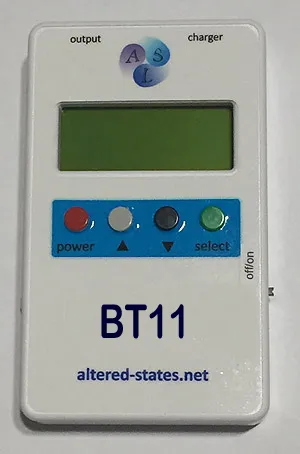
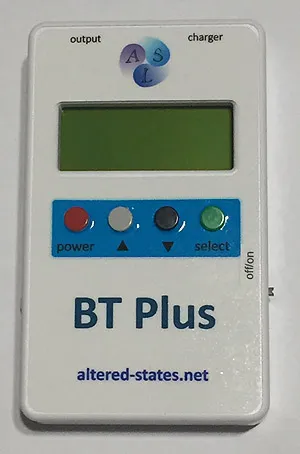
play, use your BT11 or
your BT Plus.
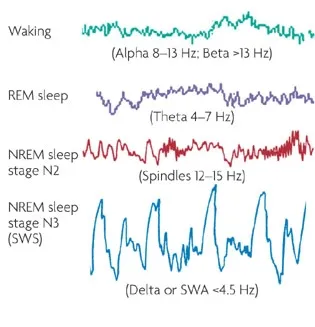
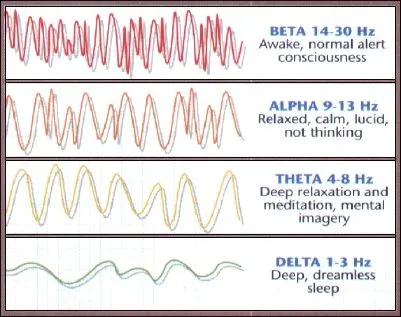
Delta Brain
Waves 0.5
Hz Anxiety release 1.5
Hz Deep sleep 2.0
Hz Healing Of Nerves
Theta Brain
Waves Deep
Theta 5.0 Hz Release Brain fog, retain
recall release information faster 7.83
Hz Meditation
Alpha Brain
Waves 10
Hz Cell Rejuvenation
More Healing
Frequencies
15
Hz Lymph System Circulation 20
Hz Breast lumps 35
Hz Stimulate Clarity of Thought, Mental Function 100.00
Hz Feeling Down 500Hz
Chronic depression 1434
Hz White Blood Cell stimulation 1524
Hz Red Blood Cell Stimulation Plus
the Full BT6-BT11 Beck Protocol 1000.00 Hz
+ 111.00 Hz Over
700 Natural Harmonic frequencies
Fully
Rechargeable ...Batteries/Charger Timer
: 5 - 60 mins Intensity
Control Very
portable Instructions High
Quality Ear clips Tens
pads and lead LCD
Screen Many
more add on options
Latest BT Pro Master
Unit (ver 6)
This is the Master unit any of the apps below can be added
to this unit
Larger
Screen with more information
16
bit Processor for faster more accurate settings
More
Amazing Add on Apps options
Very
durable case
High
quality Ear clips Basic
option (Master unit) with Bio-feedback app
There is a relationship between Stress and
the Electrical conductivity of the skin. This is known
as Galvanic Skin Response or GSR. . More
Free Option
allows one to measure GSR
Skin conducts electric current like a Resistor.
The resistance of Skin can vary from 25 Kilo Ohms to 2
Mega Ohms depending on the Emotional state (This varies
from person to person ).This variation is due to the changes
in the permeability of the skin. In a normal fully relaxed
person, skin resistance will be around 2 Mega Ohms. This
is due to the low permeability of the skin. Skin offers
high resistance and restricts the current flow. But if
the same person is in stress, his skin resistance reduces
to 25 Kilo Ohms or less due to leakage of water from the
blood vessels and subsequent sweating. This increases the
electrical conductivity of the skin. Thus the electrical
conductivity of the skin and Stress are directly related
Bonus App with
BT Pro Unit
Additional Add
on Apps.
Full Descriptions of ADD on Apps Options Below
!
Alzheimer's
Rife Frequency set
Unlocking this App gives
you
Alzheimer's Frequency set,
these are frequencies from our own long experience and
the works of many therapists world wide, we don't offer
any cures just practical experience and knowledge Frequency
source
High Quality Ear clips come with the BTPro
Unlock
code
Add Alzheimer's
Rife Frequency App
Note: Only For BTpro Ver 5 and up
Parkinson's
Rife Frequency App
Unlocking this App gives
you
(Click on the links for
interesting research)
Parkinson's Rife
Frequency set, these are frequencies from the works of
many therapists world wide, we don't offer any cures just
experience and knowledge Frequency
source
it has been suggested by users that the addition of the
magnastim headset (below) has greatly enhanced the effects
of these frequencies
Unlock
code plus you will be sent these: Lead
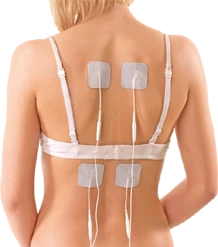
and two TENS pads Lead
and 4 TENS Pads
Add
TENS option
Note: For Btpro All Versions
Sacred
harmony Option Bring a little Miracle into your Life
There is a special sound and color of love according to
Dr. Horowitz, a Harvard-trained award-winning investigator.
Broadcasting the right frequency can help open your heart,
prompt peace, and hasten healing. "We now know the
love signal, 528 Hertz, is among the six core creative
frequencies of the universe because math doesn't lie, the
geometry of physical reality universally reflects this
music
Unlocking this
Option gives you the full potential of the Sacred Harmony
functions
Built in Frequencies
396
Hz -Red- Liberating Guilt and Fear 417
Hz - Orange - Undoing Situations and Facilitating Change 528
Hz - Gold - Love Transformation and Miracles
(DNA Repair) 639
Hz - Green - Connecting/Relationships 741
Hz - Blue - Awakening Intuition 852
Hz - Purple - Returning to Spiritual Order Bonus
plus the 7.83 hz - Schumann Resonance frequency
Unlock
code plus you will be sent these: Sacred
Harmony Coil and Lead Sacred
Harmony coil Driver
Each
Sacred Harmony can be played individually or as a sweep
of PEMF More
Information Here
Add
Sacred Harmony option
Note: For Btpro All Versions
Chakra
balance Option
Which uses the powerful Magnetic fields of the Reiki Practitioner
and the Vibrational frequencies of Crystal Therapies
7
Built in Chakra Frequencies Powerful
Pulsed Magnetic Fields Run
Chakra frequencies Individually or Ramp
the Seven for total Balance
Unlocking this
Option gives you the full potential of the Chakra
balance
Unlock
code plus you will be sent these Chakra
balance Coil and Lead Chakra
balance Coil Driver
The Chakra system functions as a map of one’s evolutionary
challenges (Ballentine, 1999). Each Chakra contains a spiritual
life-lesson that we must master in our evolution towards
higher consciousness.
What would you do to feel good and get a better night’s
sleep???????
Difficulty falling or staying asleep is a common problem. About half
of Americans report sleep difficulty at least occasionally, according
to National Sleep Foundation surveys. These woes - called insomnia by
doctors - have far-reaching effects: a negative impact on concentration,
productivity and mood. Most of us don't know much about sleep, not even
our own and to make it worst ---- sleep problems have a profound effect
on our sleeping and waking life.
Unlocking this
Option gives you the full potential of theSleepMate
Unlock
code plus you will be sent these: Sleepmate
Coil and Lead+ Sleepmate
Driver
Catnap Takes you down into Delta holds
you there for 10 mins then brings you back up
Sleep Takes you down to 5hz then lets your drop off
naturally
Insomnia Takes you way down to 0.05 hz very low delta
your body will do the rest
Wake up Feeling Drowsy need to wake up, become more
alert
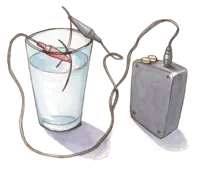
Dr Bob Beck obtained national attention during the 1990's
for his health-expo lectures and public exposition of a
healing protocol known as "bioelectrification" or "blood
electrification", a simple electronic therapy that
was discovered to stop the replication of the virus that
causes AIDS.
Unlocking this
function gives you the full potential of theBob
Beck Blood Zapper
Unlock
code plus you will be sent these: Silver
Contacts Wrist
strap, Cotton Sleeves Saline
Bottle
Subsequently, Bob discovered that many other serious health
conditions, including malaria, responded favorably to blood
electrification. Many thousands, perhaps hundreds of thousands,
of people, worldwide, have benefited enormously from the
use of blood electrification due to the lecturing efforts
of Robert C. Beck.
Pennies-per-gallon, self-made perfected colloids greatly
assist in eliminating all known pathogens and preventing
opportunistic infections. This has been known for a long
time.
Unlocking this
function gives you the full potential of theColloidal
Silver Gen
Unlock
code, plus you will be sent these: Pair
of 99.9% silver wires plus leads Scourer
for cleaning silver rods
Home-made, pennies-per-gallon colloidal silver acts as
a "second immune system" according to Bob Beck.
It has been shown in numerous studies to be the only substance
known to eliminate hundreds of viruses, bacteria, fungus,
etc.,
Add colloidal
silver option
Note: For Btpro All Versions
Life
Stim Pro option
Unlocking this
function gives you the full potential of our FamousLifeStim
option "Rife on your wrist"
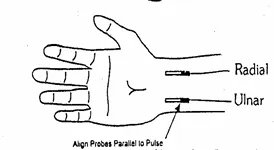
The "LifeStim", transmits 270+ of the best known
Royal Rife, Bob Beck, John Crane, Hulda Clarks,,tumor,
parasite Candida fungus Lyme and detox frequencies / harmonics
etc directly to the two arteries in the wrist,,for as long
as you wish to wear it. The option is an amazing addition
for any Rife machine users, or detox parasite protocols,,this
unit allow the most effective frequencies we have used
to be run 24/7 if so desired.
Unlock
code, plus you will be sent : Tens
pads and leads for the wrist
Unlocking this
function gives you the full potential of the Hulda
Clark type: Super sweep frequency zapper
Unlock
code plus you will be sent these:
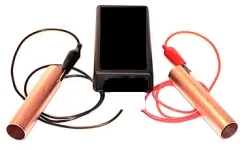
Copper
Hand holds
Sweeps
up and down the 26khz -34khz range, Sweeps
up and down the 2.3-2.7khz range Can
sweep both ranges separately Can
sweep both ranges consecutively, complete coverage Auto-timer
on Mode (7 minutes on, 20 minutes Pause, 7min
on, 20min Pause,, 7min on,20min Pause, 7min
on) Copper
Hand held Instructions
for use
Special
Offer Save
Latest BTpro v8 and
all add ons
BTPro Main
Master unit with all functions activated, Bio
feed back, Sacred
Harmony Headset
Driver and Power pack, TENS
Function, Sleep
mate, Bob
Beck Blood Zapper, Chakra
Balancer, Magnastim, Hulda
Clark Zapper. Colloidal
Silver Gen Eyemate Mind
Wave LifeStim
Option Alphamind
Option Parkinsons
option Alzheimers
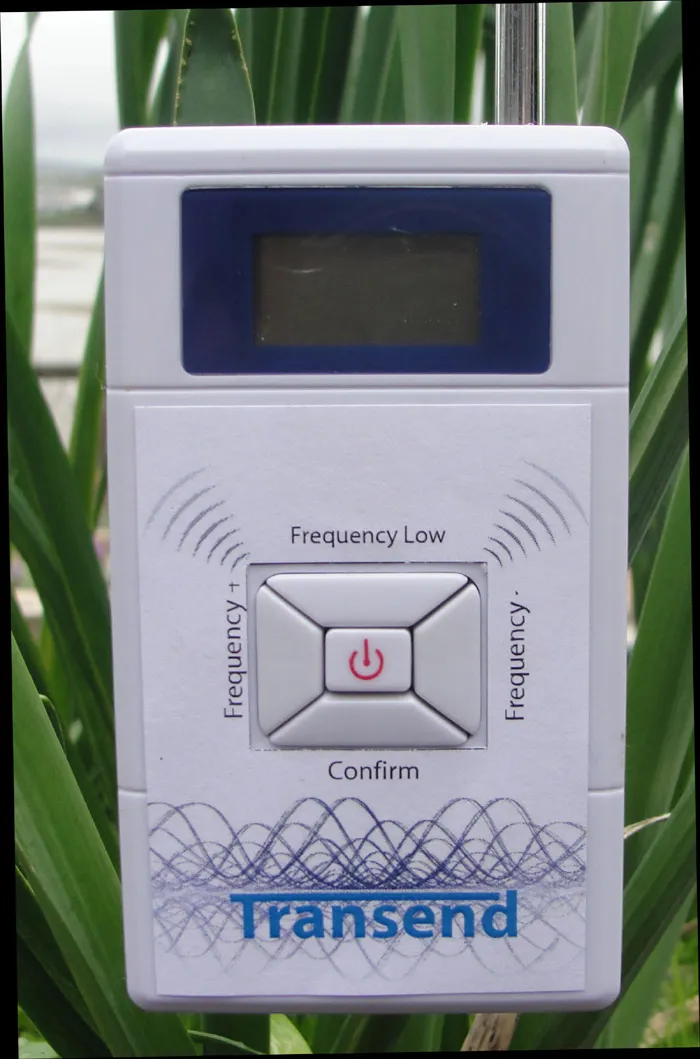
option Transend Tinnitus
option Diabetes
option LED
Helmet
All units use rechargeable batteries (included),,and
the charger is sent for the voltage of your country
while most people believe that the Fisher Wallace
Stimulator® is FDA Approved, this is not the case.
The Fisher Wallace Stimulator® is only FDA Cleared,
which is quite different from approval.





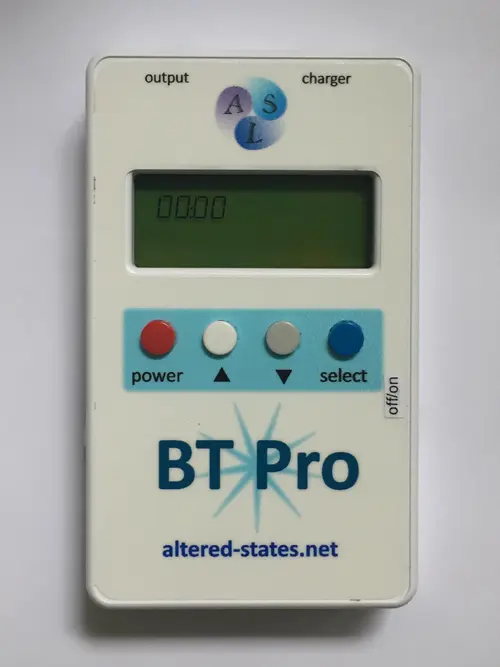








 Full
LED screen
Full
LED screen
 Add Alzheimer's
Rife Frequency App
Add Alzheimer's
Rife Frequency App

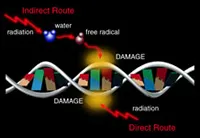
 396
Hz -Red- Liberating Guilt and Fear
396
Hz -Red- Liberating Guilt and Fear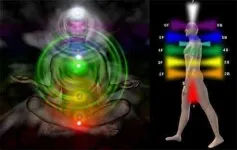
 1st
Root/Muladhara - 194.18 Hz
1st
Root/Muladhara - 194.18 Hz 2nd
Sacral/Svadhisthana -210.42 Hz
2nd
Sacral/Svadhisthana -210.42 Hz 3rd
Solar Plexus/Manipura 126.22 Hz
3rd
Solar Plexus/Manipura 126.22 Hz 4th
Heart/Anahata - 136.10 Hz ( OM )
4th
Heart/Anahata - 136.10 Hz ( OM ) 5th
Throat/Vishuddha - 141.27 Hz
5th
Throat/Vishuddha - 141.27 Hz 6th
Third Eye/Ajna - 221.23 Hz
6th
Third Eye/Ajna - 221.23 Hz 7th
Crown/Sahasrara - 172.06 Hz
7th
Crown/Sahasrara - 172.06 Hz