· ⚡ From Stroboscope to Dream Machine How Flickering Light Opened
a Window into Consciousness
For centuries, people have sought ways to explore the mysteries of the mind.
Some turned to meditation.
Some turned to music.
Some turned to prayer.
Others turned to light.
Long before modern brainwave technology, researchers, artists and inventors
discovered something fascinating:
⚡ Repetitive flashes of light could alter perception.
⚡ Certain flicker frequencies could influence visual experience.
⚡ Some individuals reported vivid colors,
patterns and dreamlike imagery while sitting with their
eyes closed.
This discovery began a remarkable journey that eventually led to one of the
most unusual consciousness devices ever created:
🌊 The Dream Machine.
🔄 The Birth of the Stroboscope
In the early nineteenth century, inventors developed devices that interrupted
light at regular intervals.
These early stroboscopes helped researchers study motion and visual perception.
When light flashed at specific rates, observers often reported unusual visual
effects:
🌈 Geometric patterns
✨ Moving shapes
🌀 Apparent motion
🎨 Colors that seemed to emerge from nowhere
Researchers gradually realized that the brain did not simply record reality.
The brain actively participated in creating experience.
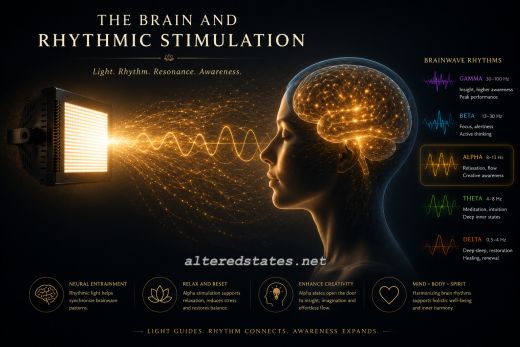
🧠 The Brain and Rhythmic Stimulation As neuroscience advanced, researchers began studying the electrical rhythms
of the brain.
They discovered several major brainwave ranges:
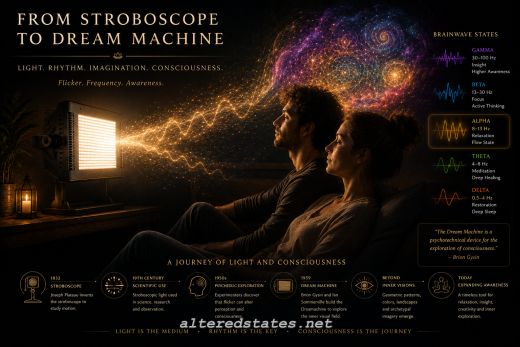
⚡ Beta (13–30 Hz)
Active thinking and concentration
🌿 Alpha (8–12 Hz)
Relaxation and calm awareness
🌊 Theta (4–8 Hz)
Dreaming, creativity and meditation
🌙 Delta (0.5–4 Hz)
Deep sleep
Scientists noticed that rhythmic sensory stimulation sometimes appeared to
influence these naturally occurring brain rhythms.
This observation sparked decades of research into flickering light, rhythmic
sound and brainwave synchronization.
🌈 The Discovery of Flicker-Induced Imagery Researchers found that many people who viewed rhythmic flashing light through
closed eyelids reported remarkable experiences.
These included:
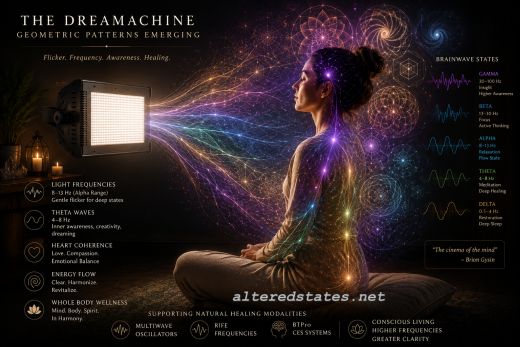
🌈 Brilliant colors
🌀 Mandala-like patterns
✨ Geometric forms
🌊 Flowing imagery
💡 Moments of insight and creativity
The experiences often varied from person to person.
Some described kaleidoscopic patterns.
Others described dreamlike landscapes.
Many reported deep relaxation and enhanced awareness.
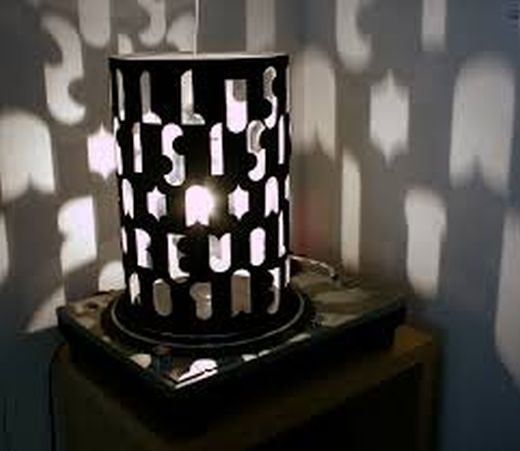
⚡ Enter the Dream Machine In 1959, artist Brion Gysin and
mathematician Ian Sommerville created
a remarkable device known as the:
🌊 Dreamachine The Dreamachine consisted of:
💡 A light source
🔄 A rotating cylinder
🌀 Carefully spaced openings
As the cylinder rotated, flashes of light passed through the openings and reached
the viewer's closed eyelids.
The design generated rhythmic flicker frequencies between approximately:
⚡ 8–13 flashes per second
which closely corresponded with alpha brainwave activity.
Unlike a television or movie screen, the Dreamachine required
no images.
The viewer became the screen.
The brain created the experience.
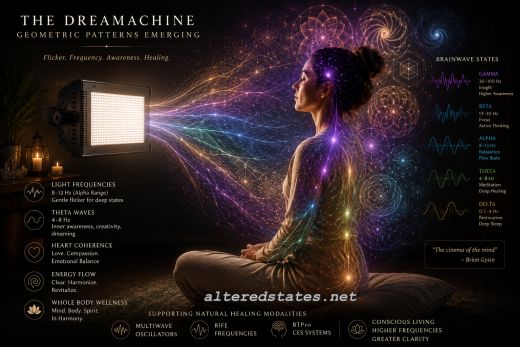
🌟 What Did People Experience? Users frequently reported:
🌈 Complex colors
🌀 Geometric patterns
🌊 Floating imagery
✨ Creative insights
🧘 Deep relaxation
💭 Dreamlike mental states
Some individuals described the experience as:
"The cinema of the mind."
Others compared it to meditation or hypnagogic imagery.
The effects varied considerably from person to person.
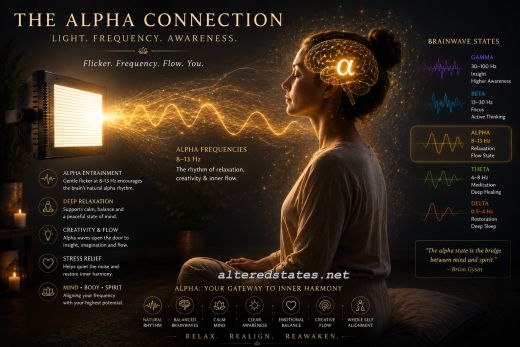
🧠 The Alpha Connection
Researchers became especially interested in alpha frequencies.
Alpha rhythms commonly appear during:
🌿 Relaxation
🧘 Meditation
🎨 Creativity
💡 Insight
😌 Calm awareness
The Dreamachine operated largely within this same frequency
range.
This relationship helped inspire future investigations into:
⚡ Brainwave entrainment
⚡ Audio-visual stimulation
⚡ Meditation technologies
⚡ Consciousness research
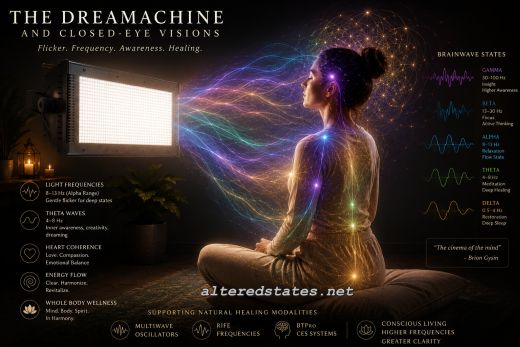
🌊 The Modern Legacy Today, many modern mind technologies trace their roots to these early experiments.
Researchers continue to investigate:
🎧 Binaural beats
💡 Light stimulation
🎵 Audio entrainment
⚡ Neurofeedback
🧠 Brainwave technologies
The original Dreamachine helped demonstrate an
intriguing possibility:
The brain may respond to rhythm in profound ways.
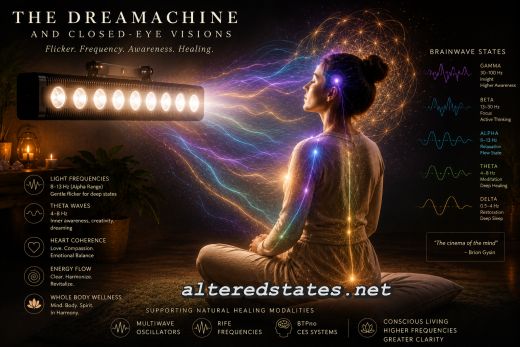
✨ Beyond Entertainment The pioneers who explored flickering light sought more than visual entertainment.
Many hoped to better understand:
🧠 Consciousness
🌊 Creativity
💡 Perception
✨ Human potential
Their experiments suggested that the boundary between the outer world and inner
experience may remain far more flexible than previously
imagined.
❓ Frequently Asked Questions
What was the Dreamachine?
The Dreamachine consisted of a rotating cylinder and light
source designed to create rhythmic flashes of light viewed
through closed eyelids.
Who invented the Dreamachine?
Artist Brion Gysin and mathematician
Ian Sommerville developed
the original Dreamachine in 1959.
What frequencies did it use?
Most Dreamachines generated flicker frequencies between approximately
8 and 13 flashes per second, corresponding to the alpha
brainwave range.
What did users report?
Users frequently described colors, patterns, geometric
imagery, deep relaxation and enhanced creativity.
Did everyone experience the same thing?
No. Individual experiences varied significantly.
Why did researchers become interested in flickering light?
Researchers observed that rhythmic stimulation appeared capable of influencing
perception, awareness and brain activity.
What modern technologies grew from this research?
Many contemporary brainwave and consciousness technologies evolved from early
investigations involving flickering light, rhythmic sound
and sensory entrainment.
🌿 Final Thoughts The story of the Dreamachine reminds us that the
brain does far more than passively observe reality.
It participates.
It interprets.
It creates.
From the early stroboscope to the Dreamachine and
beyond, generations of researchers, inventors and visionaries
explored a fascinating possibility:
⚡ Rhythm influences perception.
🧠 Perception influences experience.
🌊 Experience influences consciousness.
And sometimes all it takes to begin the journey involves a flicker of light
behind closed eyes. Know
someone who may enjoy this newsletter?
Share With a Friend
Warning: Flickering lights
may trigger seizures in susceptible individuals,
particularly
those with
photosensitive epilepsy. Do not use if you have a
history of seizures unless advised by your healthcare
practitioner. Stop use immediately if discomfort
occurs.
You can choose any frequency or set
of frequencies, we send the unit program with the
two main discovered frequencies.. Watch a video click
here
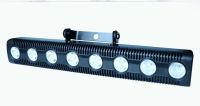 |
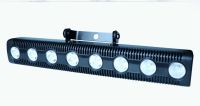
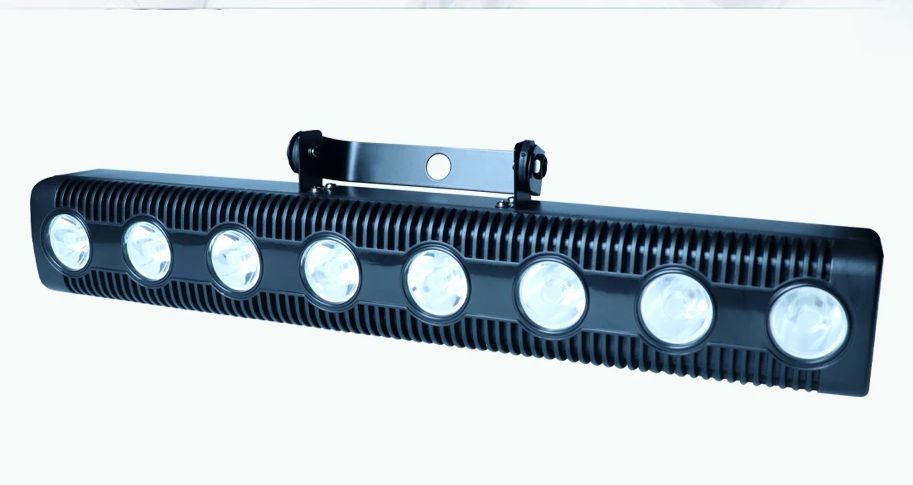
Dream Machine Strobe 1
Power supply: AC110~240V, 50Hz/60Hz
Rated power: 45W
Lamp bead power:8*12w RGBW Highlight lamp bead
Signal connection: signal input line/output line
Control channel: 7 DMX-512 signal channels
Control mode: DMX-512 signal control, voice control,
self-propelled and master-slave mode
Size: 15.5" * 2.5" * 2.5" Inches
Weight of product: 1.2kg
Software
Instructions
|
| |
|
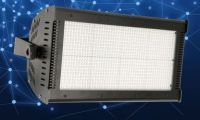
1000 wat Super Bright
|
Dream Machine Strobe 2
Voltage Supply: AC110V-240V, 50/60Hz
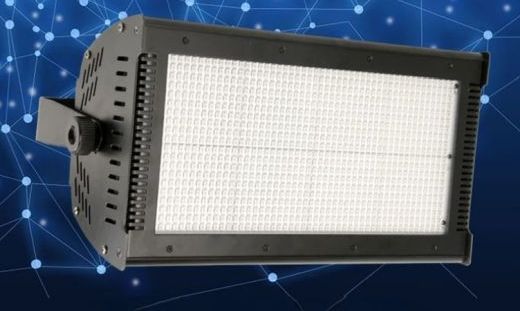
Light source: SMD5050 960PCS RGB 3IN1 leds
Number of segment: 8 segment control or more
Channel: 3/CH
Control mode: DMX/master-slave/
Dimming: 0-100% liner dimming
1000 wat
Material: Die-cast Aluminum
Working Temperature: -20 ~ 40?
Size: 16.5" *9.0" * 8.5" Inches
Software
Instructions
|
| |
|
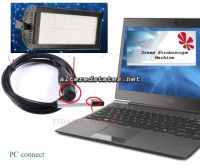 |
Dream
Machine Strobe Super
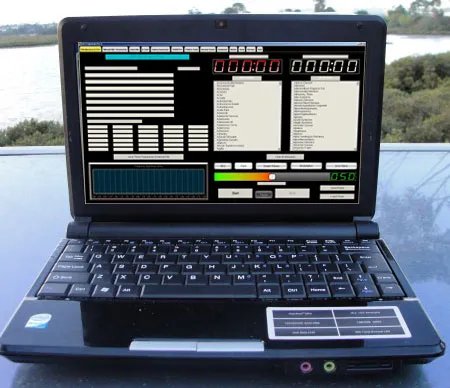
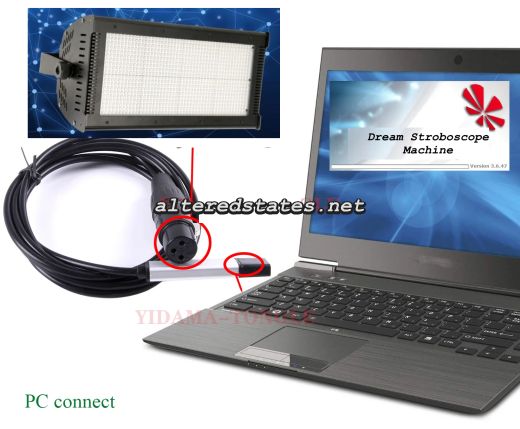
14" Laptop full set up
plus High brighness adjustable Light
Voltage Supply:
AC110V-240V, 50/60Hz
Light source: SMD5050 960PCS RGB 3IN1 leds
Number of segment: 8 segment control or more
Channel: 3/CH
Control mode: DMX/master-slave/
Dimming: 0-100% liner dimming
Luminous Flux 2000-82000
Material: Die-cast Aluminum
Working Temperature: -20 ~ 40?
Size: 16.5" *9.0" * 8.5" Inches
Software
Instructions
|
|