|
🔥 INFLAMMATION
THE
FIRE THAT HEALS YOU… UNTIL IT DOESN'T SWITCH OFF
Cut
your finger and something extraordinary happens.
Within
moments, your body knows.
Blood
vessels change.
Immune
cells move toward the damaged tissue.
Chemical
messages begin flying between cells.
The
area may become red, warm, swollen and painful.
We
call this:
INFLAMMATION.
And
despite its terrible reputation...
inflammation is
not your enemy.
It
is one of the reasons you are alive.
🛡️ INFLAMMATION
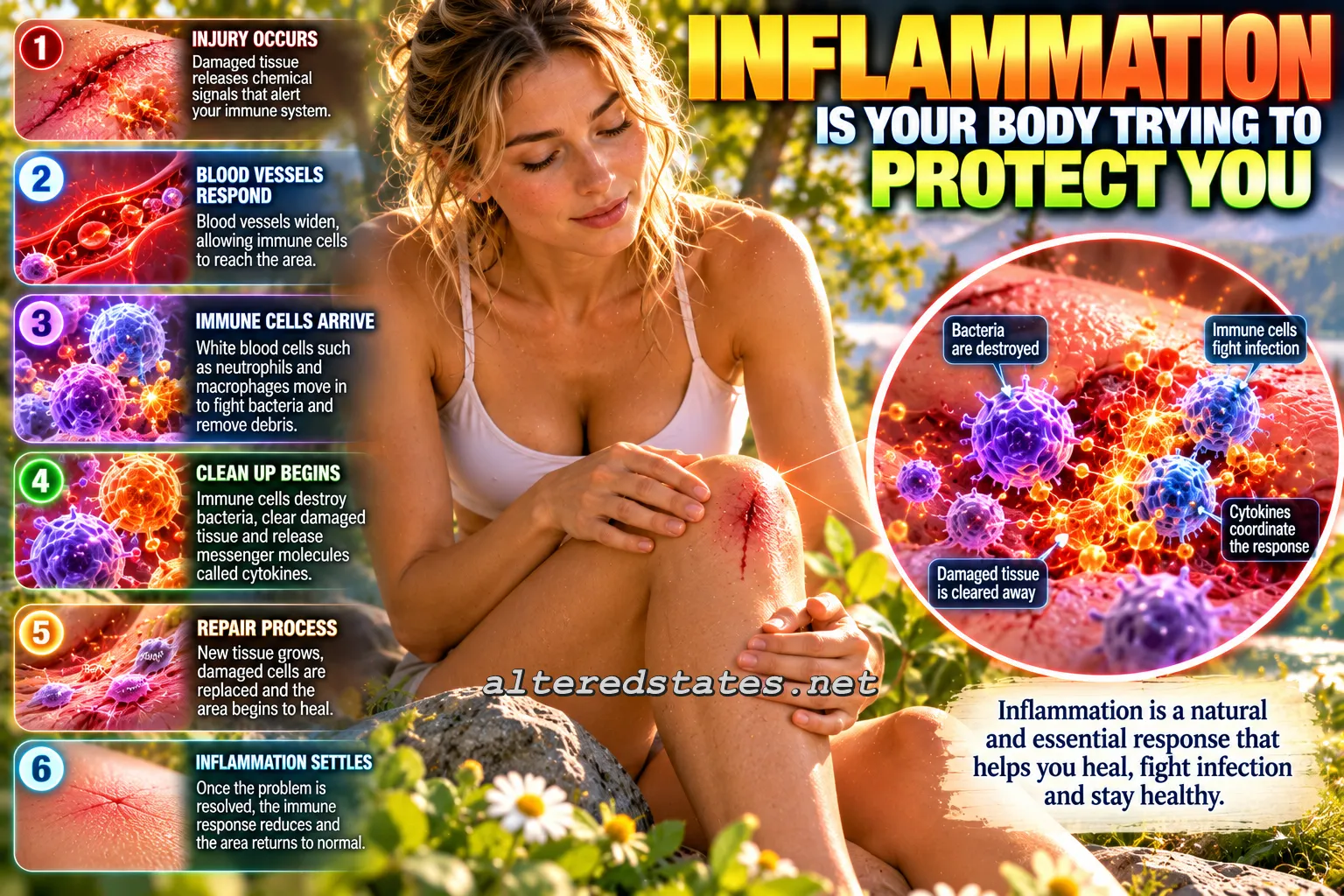
IS YOUR BODY TRYING TO PROTECT YOU
Imagine
cutting your hand in the garden.
Bacteria
can enter.
Cells
are damaged.
Your
body doesn't wait for you to decide what to do.
Its
defence and repair systems immediately begin responding.
Immune
cells arrive.
Chemical
messengers coordinate the response.
Blood
flow changes.
Damaged
tissue begins to be cleared away.
Repair
begins.
That
is acute inflammation.
It
is supposed to happen.
Without
inflammation, ordinary injuries and infections could
become far more dangerous.
INFLAMMATION
IS PART OF HEALING.
But
there is another side to the story.
🚨 WHAT
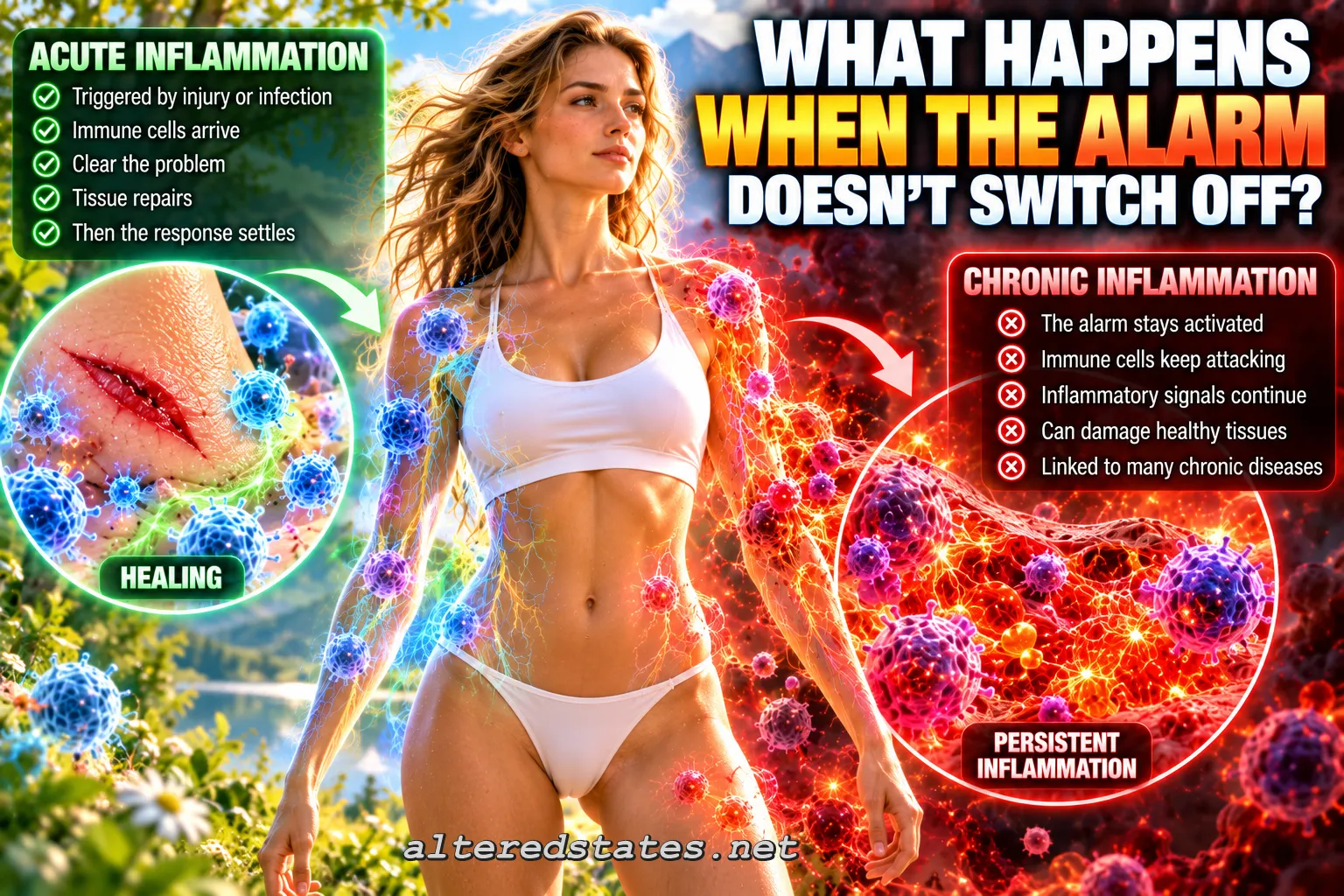
HAPPENS WHEN THE ALARM DOESN'T SWITCH OFF?
Think
of inflammation as a fire brigade.
There
is a fire.
The
alarm sounds.
The firefighters arrive.
They
put out the fire.
Then
they go home.
Perfect.
But
imagine the firefighters never leaving.
Day
after day they continue spraying water, breaking
doors and tearing through walls looking for a fire
that may no longer exist.
Eventually
the rescue operation itself begins causing damage.
Something
similar can happen biologically.
When
inflammatory activity continues for months or years,
we call it:
CHRONIC
INFLAMMATION.
And
unlike the swollen ankle or red cut that we can easily
see...
CHRONIC
INFLAMMATION CAN BE MUCH LESS OBVIOUS.
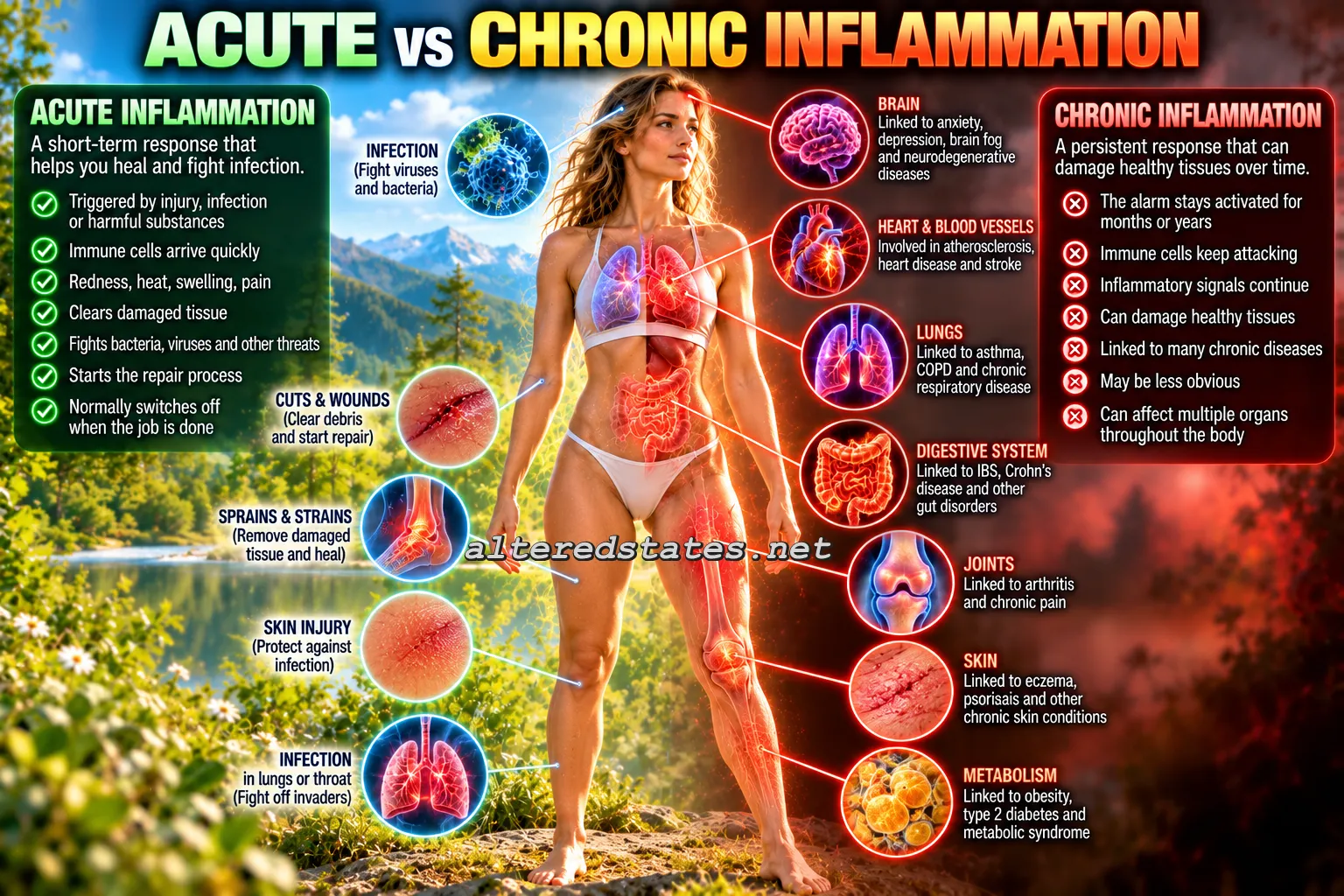
🔥 ACUTE vs CHRONIC
INFLAMMATION
ACUTE
INFLAMMATION
Usually
begins rapidly.
It
is commonly associated with injury or infection.
Redness.
Heat.
Swelling.
Pain.
Immune
activation.
Then,
when the problem is resolved, the inflammatory response
normally settles.
CHRONIC
INFLAMMATION
Can
continue for months or years.
The
immune system remains activated.
Inflammatory
signalling continues.
Healthy
tissues can eventually become affected.
And
the person may not necessarily see obvious redness
or swelling on the outside.
That
distinction is enormously important.
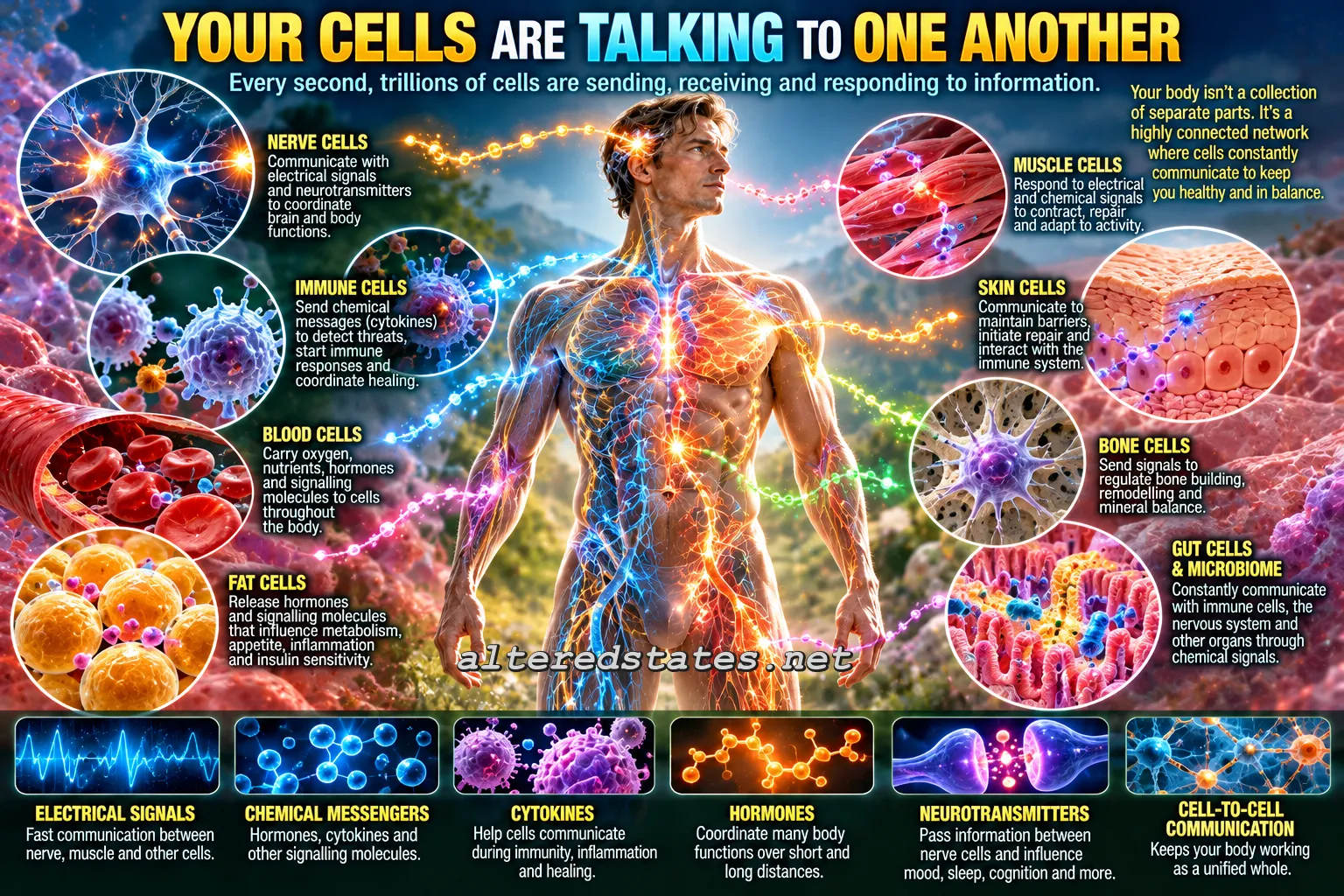
🧬 YOUR
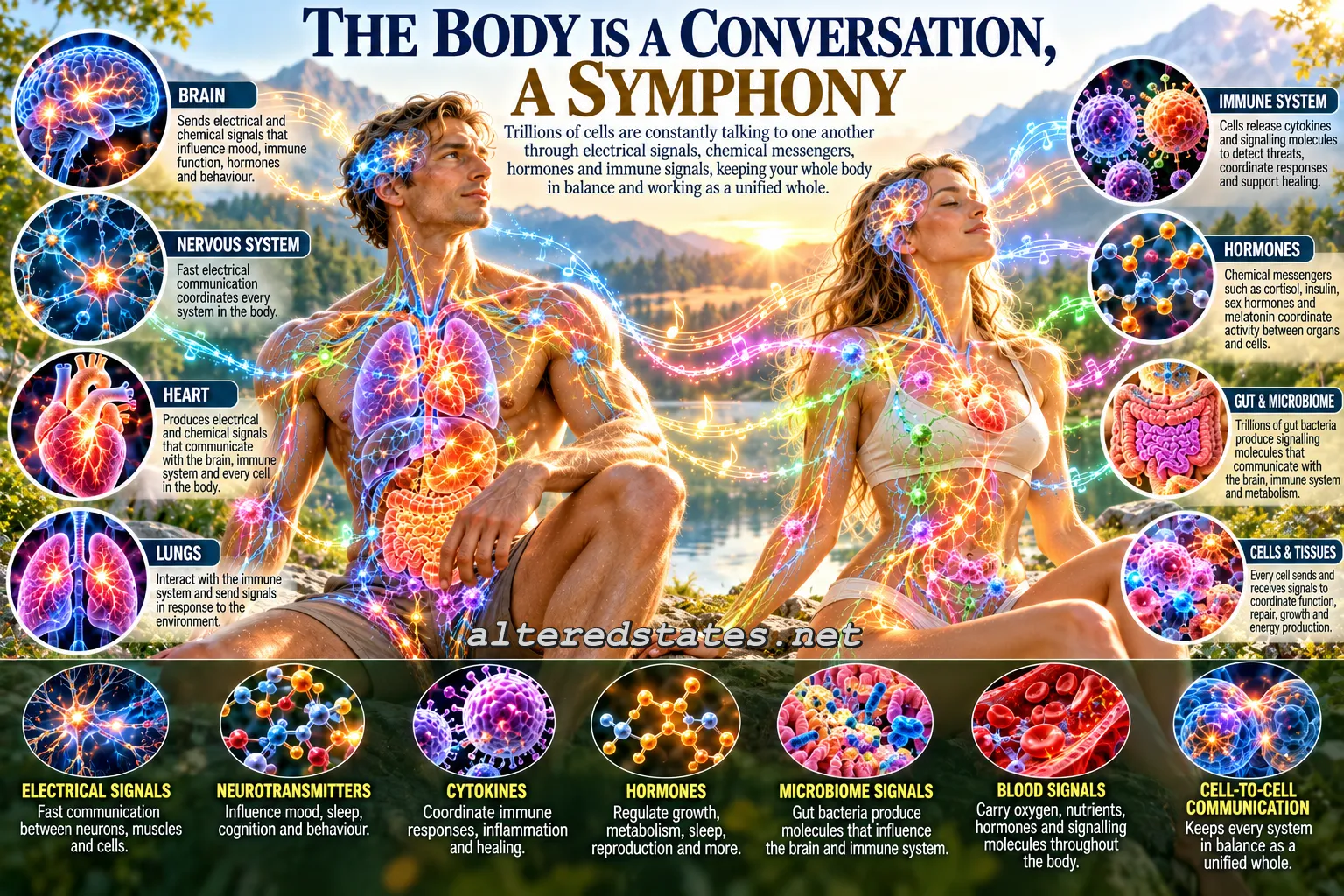
CELLS ARE TALKING TO ONE ANOTHER
Inflammation
isn't simply swelling.
Deep
inside the body an extraordinary biological conversation
is taking place.
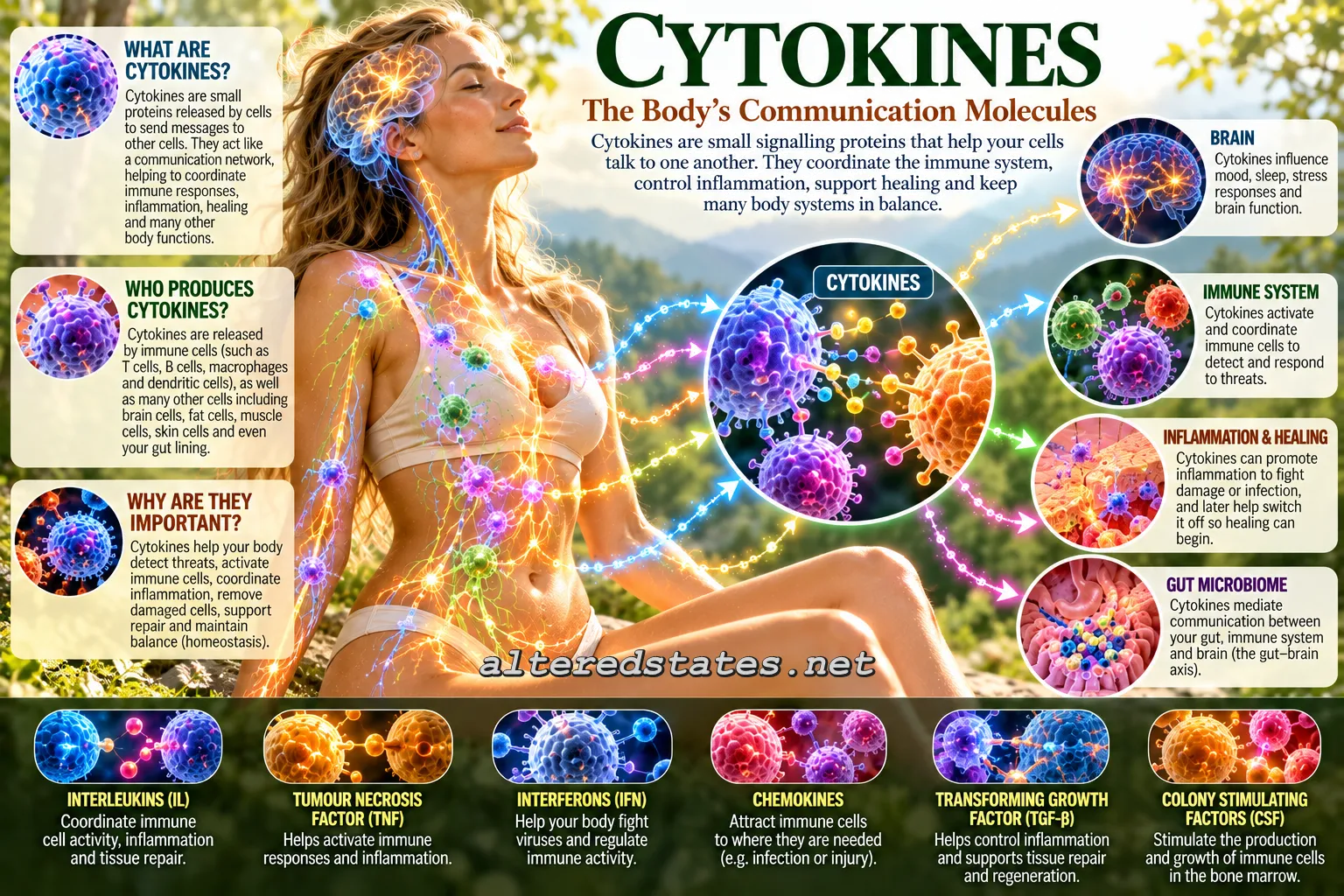
Immune
cells communicate using chemical messengers called:
CYTOKINES.
Think
of cytokines as tiny biological text messages.
Some
say:
“WE
HAVE A PROBLEM.”
Others
recruit immune cells.
Some
amplify inflammation.
Others
help regulate or resolve the response.
Names
such as:
IL-1
IL-6
TNF
may sound
like alphabet soup.
But
these molecules form part of the communication network
coordinating inflammation.
And
when that communication becomes persistently dysregulated, inflammation can continue long after a short-term response would normally have
ended.
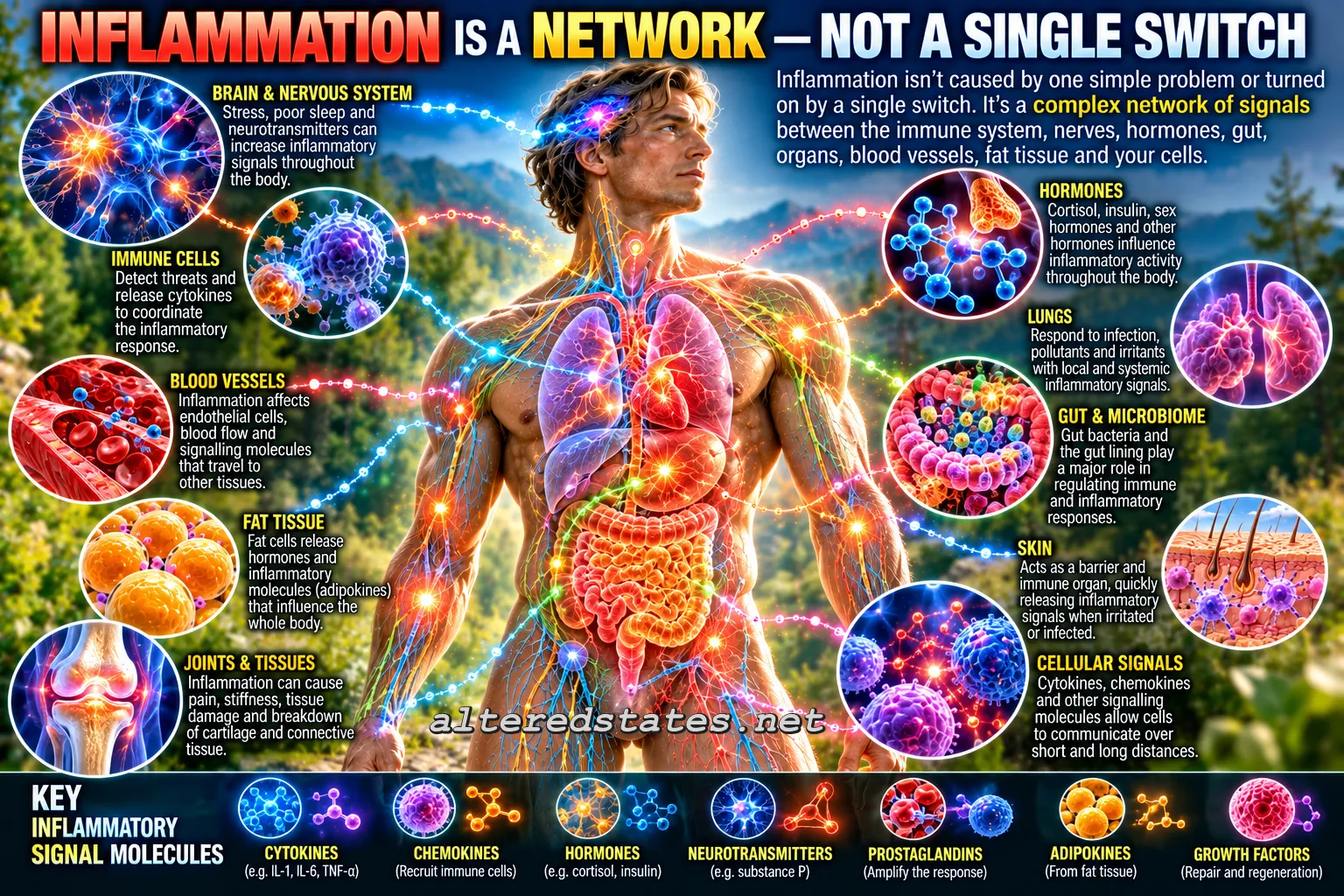
⚡ INFLAMMATION
IS A NETWORK — NOT A SINGLE SWITCH
This
is where modern biology becomes fascinating.
There
isn't one single "inflammation button."
The
immune system communicates with:
🧠 the brain
❤️ the cardiovascular
system
🦠 the gut
and microbiome
⚡ the nervous
system
🧬 hormones and
metabolism
💪 muscles and
fat tissue
🫁 the lungs
and virtually
every other tissue in the body.
The
old idea of separate biological systems is gradually
giving way to something much more interesting:
THE
BODY IS A CONVERSATION, A SYMPHONY
Electrical
signals.
Chemical
signals.
Immune
signals.
Hormones.
Metabolic
signals.
All
interacting continuously.
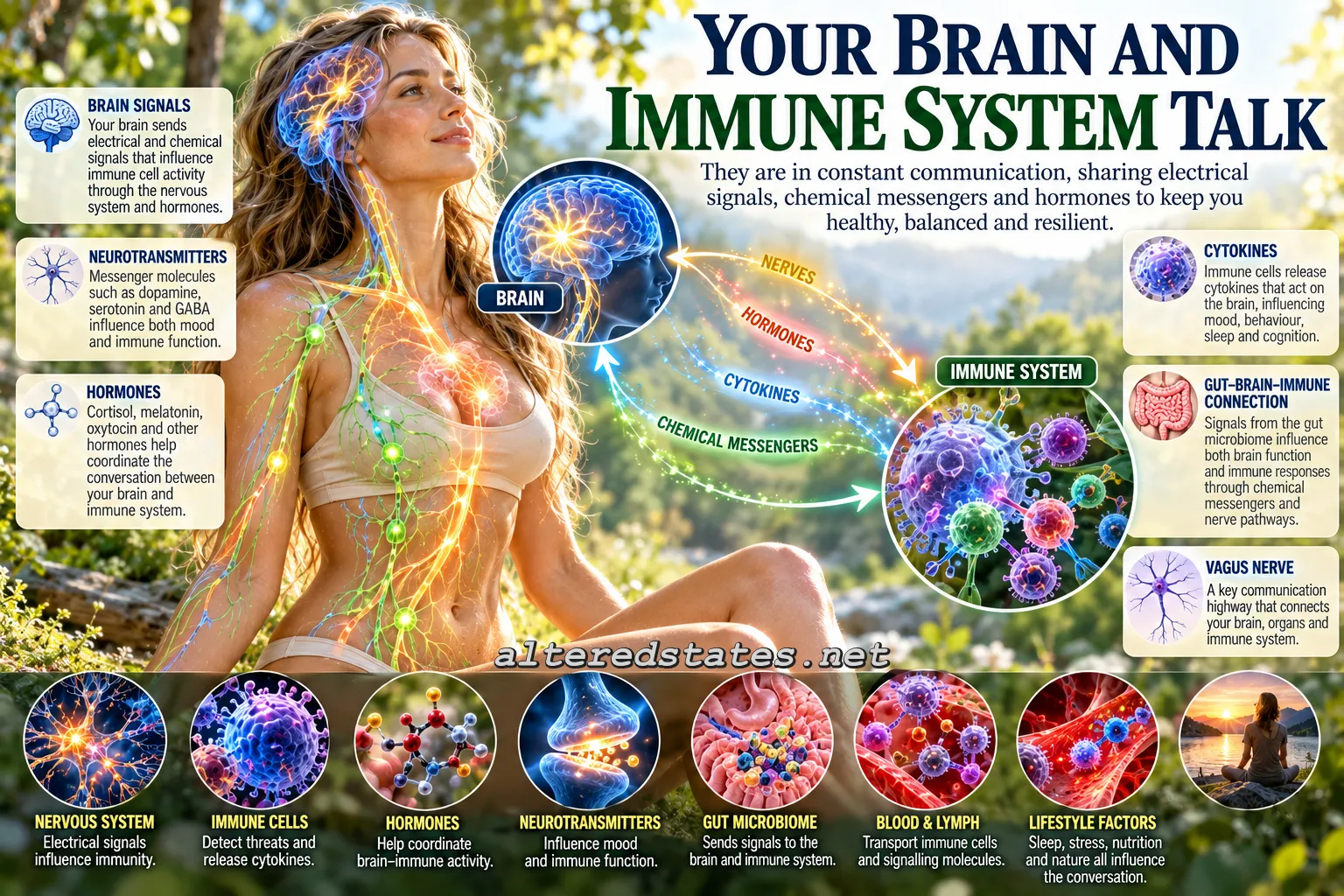
🧠 YOUR
BRAIN AND IMMUNE SYSTEM TALK
For
years people tended to imagine the immune system
and brain as largely separate.
We
now know the relationship is far more intimate.
The
nervous system can influence immune activity.
Immune
signalling can influence the brain.
Stress
biology interacts with inflammatory pathways.
Sleep
interacts with immune function.
And
inflammatory signalling can influence behaviour,
fatigue and mood.
The
brain isn't sitting upstairs disconnected from everything
happening below the neck.
IT
IS PART OF THE CONVERSATION.
😴 THEN
THERE IS SLEEP
Sleep
isn't simply the time when consciousness apparently
disappears for eight hours.
It
is an active biological state.
During
sleep, numerous processes involved in immune regulation,
metabolism, hormones and brain function change.
And
poor sleep and inflammation can influence one another.
Anyone
who has spent several nights sleeping badly knows
that the following morning doesn't merely feel like:
“I'm
a little tired.”
The
entire organism can feel different.
Perhaps
that shouldn't surprise us.
Sleep
is part of our biology — not time away from it.
🧠 WHAT
ABOUT STRESS?
Here
again we need to avoid the simplistic statement:
Short-term
stress responses can be useful.
They
helped our ancestors survive immediate danger.
But
prolonged psychological stress can interact with
hormonal, nervous-system and immune pathways.
Remember
our tiger from the anxiety newsletter?
The
tiger doesn't always have to be standing in front
of you.
Mortgage.
Work.
Relationships.
Illness.
Loneliness.
Fear.
Uncertainty.
The
body is continually interpreting its environment.
And
chronic stress can become part of the biological
environment in which inflammatory regulation occurs.
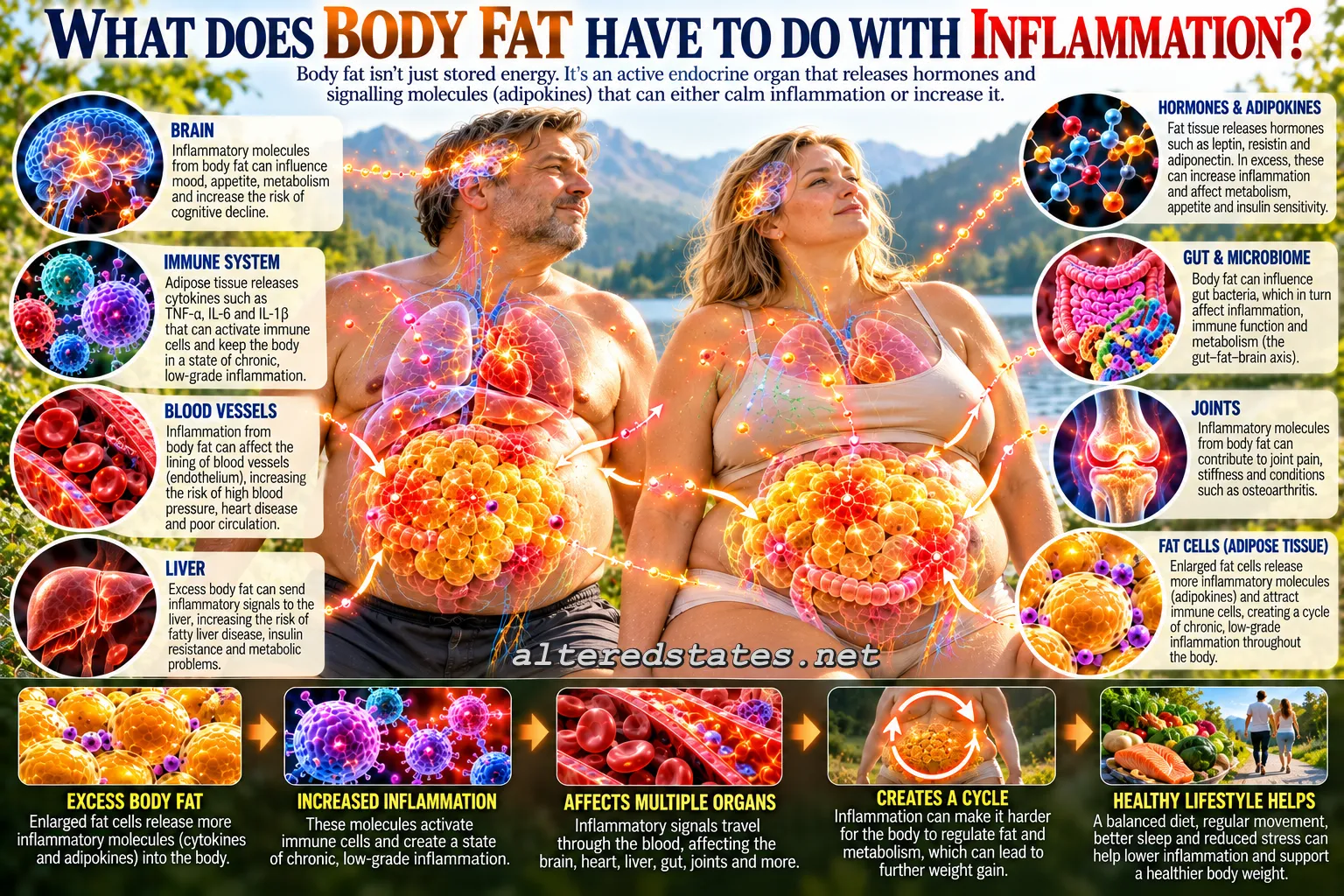
🍔 WHAT
DOES BODY FAT HAVE TO DO WITH INFLAMMATION?
Quite
a lot.
We
once thought of body fat largely as passive energy
storage.
We
now know adipose tissue is biologically active.
It
produces hormones and signalling molecules and communicates
with other systems throughout the body.
With
excess adipose tissue, particularly in obesity, inflammatory
signalling can increase.
So
metabolism and immunity are not two completely separate
subjects.
Once
again:
EVERYTHING
IS TALKING TO EVERYTHING ELSE.
❤️ INFLAMMATION
AND THE HEART
One
of the biggest scientific changes over recent decades
has been our understanding of cardiovascular disease.
Cholesterol
remains important.
Blood
pressure matters.
Smoking
matters.
Genetics
matter.
But
inflammation is also involved in atherosclerosis
and cardiovascular disease.
The
walls of our arteries are living tissue.
Immune
cells and inflammatory signalling participate in
the development and behaviour of atherosclerotic
plaques.
This
is one reason researchers measure inflammatory markers when studying cardiovascular risk.
🧪 CAN
INFLAMMATION BE MEASURED?
There
isn't one blood test that simply says:
“You
have chronic inflammation.”
Doctors
can, however, measure biomarkers that provide pieces
of the picture.
One
commonly used marker is:
C-REACTIVE
PROTEIN — CRP
CRP
is produced primarily by the liver and increases
in response to inflammatory signalling.
Another
test, high-sensitivity CRP (hs-CRP), can detect smaller concentrations and is sometimes used in cardiovascular-risk
assessment.
Other
measurements may include ESR and, in particular clinical
or research situations, specific cytokines or other
markers.
But
context matters.
A
high inflammatory marker doesn't automatically tell
us why inflammation is present.
An
infection, injury, autoimmune disease and numerous
other conditions can alter inflammatory markers.
The
number is a clue.
Not
the entire story.
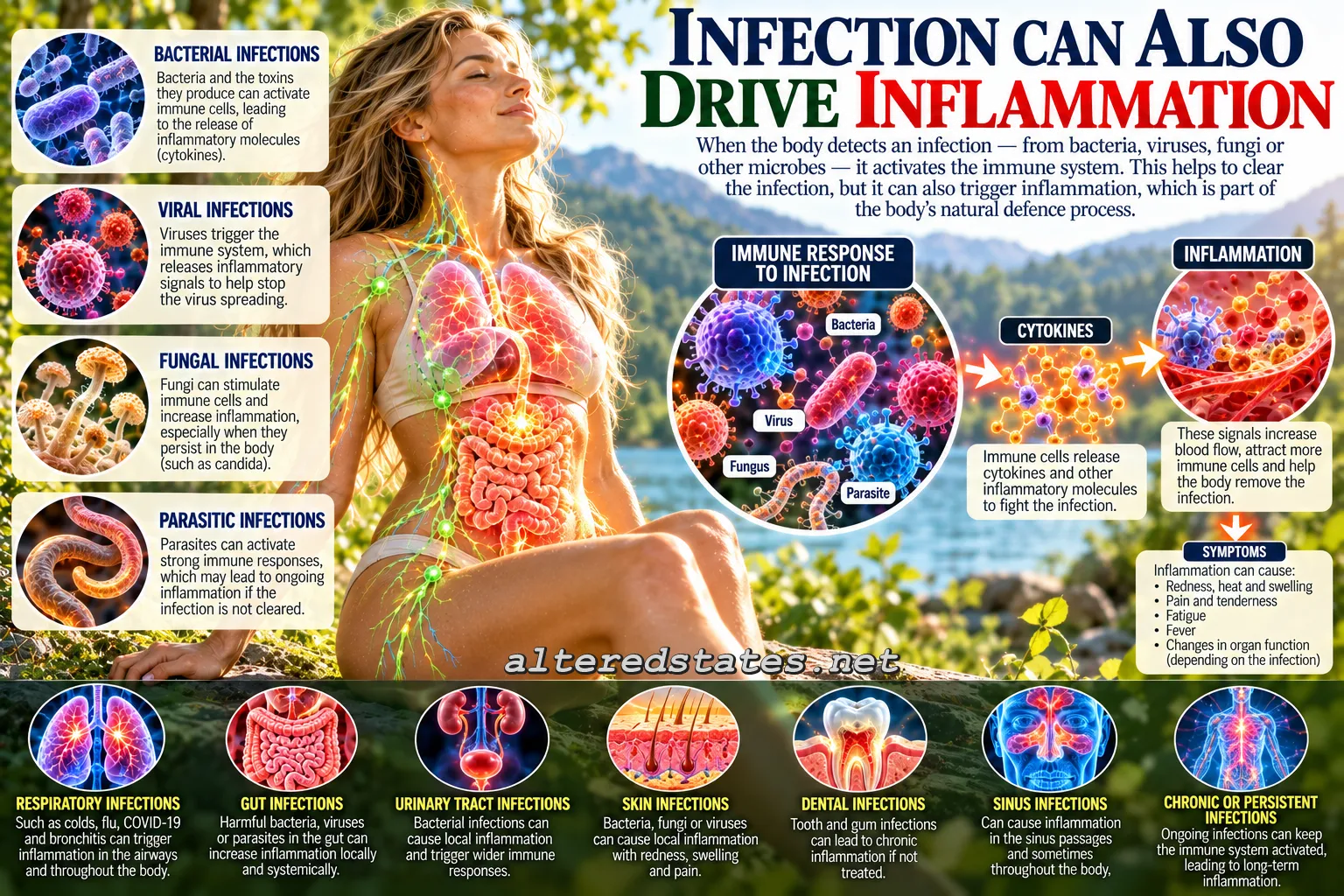
🦠 INFECTION
CAN ALSO DRIVE INFLAMMATION
This
was a major theme of our original Altered States
inflammation newsletter.
And
the basic principle remains correct.
Bacteria.
Viruses.
Fungi.
Parasites.
When
the immune system detects a pathogen, inflammation
is one of its major weapons.
Some
persistent infections can therefore produce persistent
inflammatory responses.
But
we need to be careful here.
That
does not mean every case of chronic inflammation is caused by a hidden infection or parasite.
Different
diseases can have very different causes.
The
interesting scientific question is:
WHAT
IS KEEPING THE IMMUNE RESPONSE ACTIVATED?
🧬 AUTOIMMUNITY
— WHEN DEFENCE LOSES ITS TARGET
There
is another remarkable possibility.
Sometimes
the immune system mistakenly responds against the
body's own tissues.
This
is involved in autoimmune diseases such as rheumatoid
arthritis and lupus.
The
defence system designed to protect us becomes part
of the problem.
Again,
inflammation isn't inherently evil.
The
difficulty lies in:
WHERE
IT OCCURS.
WHY
IT OCCURS.
HOW
STRONGLY IT OCCURS.
AND
WHETHER IT SWITCHES OFF.
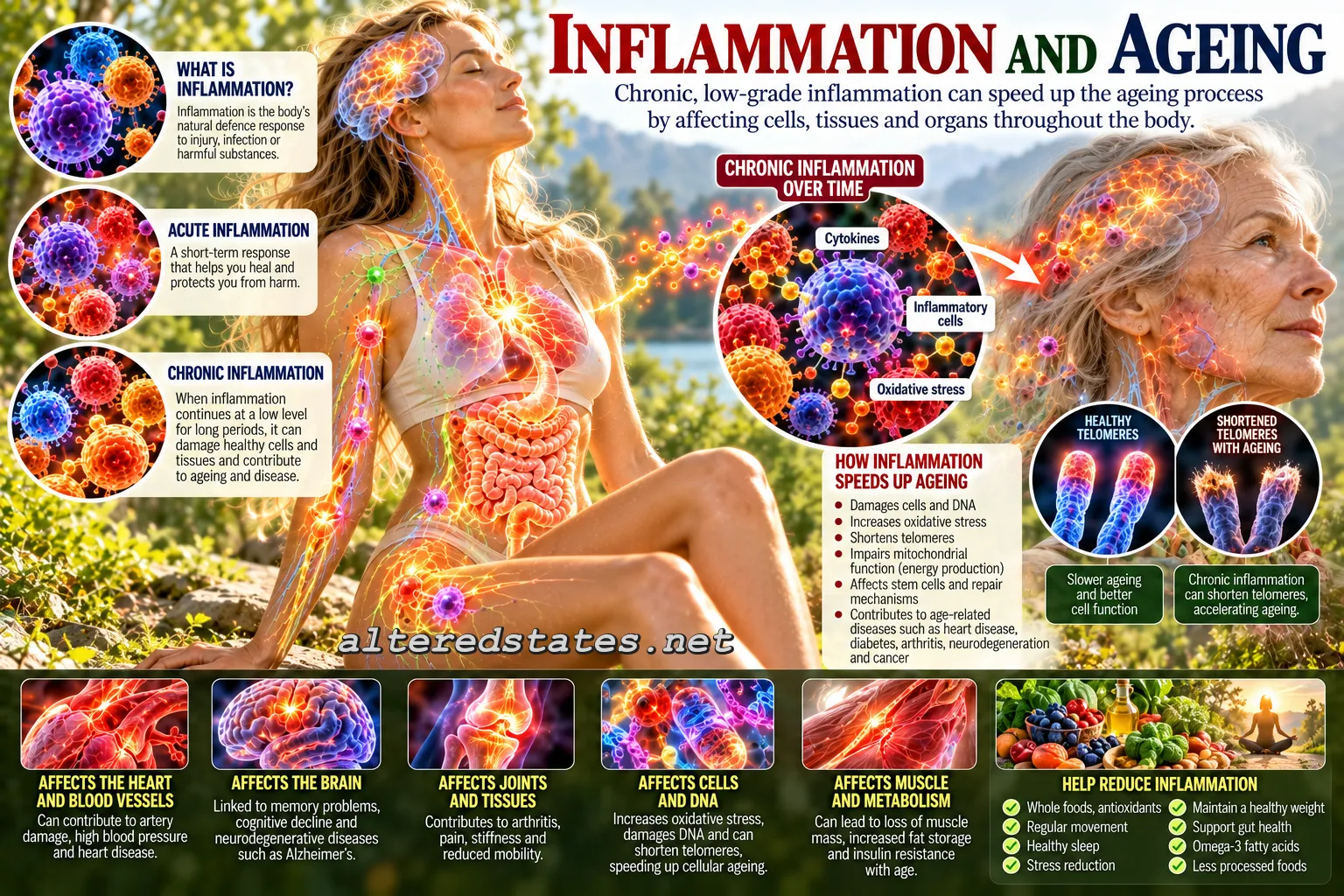
👴 INFLAMMATION
AND AGEING
Scientists
have even developed a wonderful word:
INFLAMMAGING.
It
describes the tendency toward persistent, low-grade
inflammatory activity associated with ageing.
Ageing
involves enormous changes in immunity, metabolism,
mitochondria, cellular damage and tissue repair.
Inflammation
appears to be woven into that story.
This
doesn't mean:
inflammation =
ageing.
It
means researchers increasingly see chronic inflammatory
signalling as one part of the complex biology of
ageing and age-related disease.
And
that raises a fascinating possibility.
Perhaps
healthy ageing isn't simply about how many birthdays
we accumulate.
Perhaps
it is also about how well our biological systems maintain balance.
🌿 SO
WHAT CAN WE ACTUALLY DO?
There
is no magical anti-inflammatory switch.
But
several remarkably ordinary things repeatedly appear
in research on health and inflammatory regulation:
🚶 MOVE
YOUR BODY
Regular
physical activity has wide-ranging effects on metabolism,
cardiovascular health and immune regulation.
🥗 EAT
REAL FOOD
Dietary
patterns rich in vegetables, fruit, legumes, nuts,
whole grains and other minimally processed foods
provide fibre and numerous biologically active compounds.
😴 PROTECT
YOUR SLEEP
Sleep
is part of immune and metabolic regulation.
🚭 DON'T
SMOKE
Tobacco
smoke exposes the body to substances capable of promoting
oxidative stress, tissue injury and inflammatory
signalling.
⚖️ MAINTAIN
METABOLIC HEALTH
Obesity,
insulin resistance and inflammatory signalling are
closely interconnected.
🌳 GET
OUTSIDE
Movement,
daylight, nature and simply stepping away from chronic
stimulation can influence several aspects of physical
and psychological wellbeing.
❤️ DON'T
IGNORE PERSISTENT SYMPTOMS
Chronic
inflammation can have many causes.
Finding
the cause matters more than simply trying to suppress
a marker.
⚡ AND
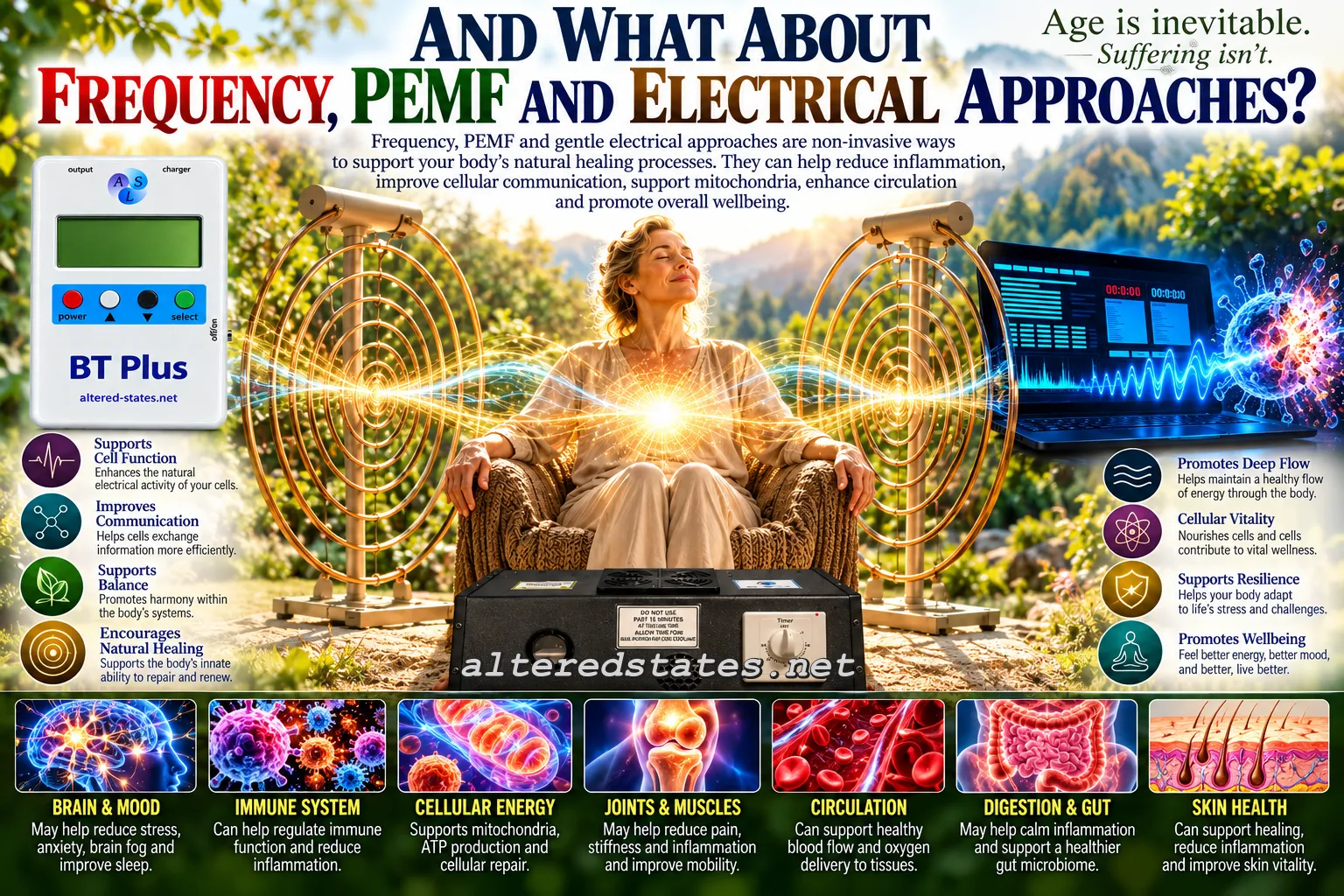
WHAT ABOUT FREQUENCY, PEMF AND ELECTRICAL APPROACHES?
This
is where our interests at Altered States become particularly
interesting.
Biology
isn't purely chemical.
The
nervous system is electrical.
Cell
membranes maintain electrical potentials.
The
heart is electrically coordinated.
Cells
respond to physical as well as chemical signals.
Researchers
are studying forms of bioelectronic medicine and neuromodulation to understand whether carefully controlled electrical or electromagnetic signals
can influence inflammatory pathways.
WHAT
DOES THE EXPERIMENT ACTUALLY SHOW?
That
is the frequency research worth following.
“WHY
IS THE BODY STILL SENDING THE INFLAMMATORY SIGNAL?”
Inflammation
helped keep our ancestors alive.
It
repairs wounds.
It
fights infection.
It
coordinates immune defence.
The
problem isn't the fire.
The
problem is when the fire doesn't go out.
And
perhaps one of the great challenges of future medicine
will not simply be suppressing inflammation...
but understanding
the signals that initiate it, amplify it —
AND
FINALLY TELL IT THAT THE JOB IS DONE.
🔬 INFORMED
CHOICE
At
Altered States we believe information should open
doors, not close them.
Our
newsletters explore established science alongside
emerging research and alternative approaches so that
you can investigate the evidence and make your own
informed choices.
We
don't need to pretend that every new idea has already
been proven.
And
we don't need to stop asking questions simply because
all the answers aren't known yet.
Science
itself advances by asking better questions.
And
perhaps one of the most important questions is remarkably
simple:
INFLAMMATION WHAT
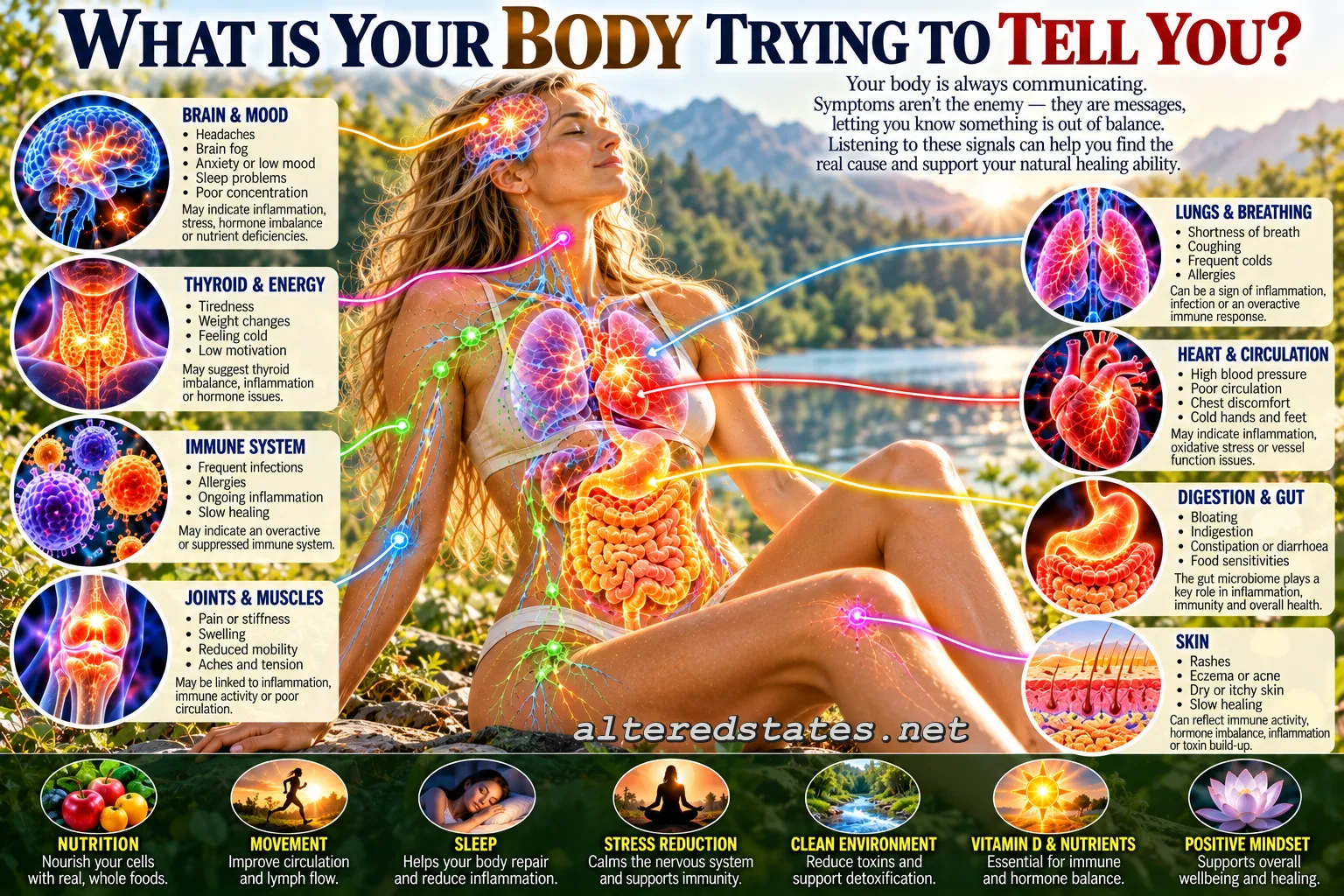
IS YOUR BODY TRYING TO TELL YOU? WHAT IS SCIENCE
SUGGESTING MAY HELP ?
Body Fat
Inflamation
Heart
Immunity
Stress
Sleep
Ageing
Can be Helped with Frequencies as well
|
Multiwave
oscillators
Every
cell has its own electromagnetic field as
well, but when this becomes disrupted, the
structure of that cell changes. Damaged cells
allow free radicals to creep in, and that
means cancer, disease, and illness of all
types.
Maintain
the function of every individual cell
at an optimal level
More
information click here
I
would like more information on the Multiwave
Oscillator
Rife
machines and Multiwave oscillators are claimed to complement each other based on the principle that life forms
absorb energy. A multiwave Oscillator uses this principle to strengthen cells within the body to resist disease while
a Rife machine uses this principle to destroy
microorganisms with an overdose of frequency
energy. |
|
Rife
pro optio 2h-7h
"Royal
rife developed 5 units,the fith unit was
the most powerful"
""I
can assure you that no one, not even myself,
could help but be astounded at the results
we are now obtaining with the assistance
of our new Rife-Hoyland machines and our
new band of MOR's.(Mortal oscillatory rate)" (Letter from Dr. Johnson to Dr. Gruner (copy sent to Dr. Rife) dated, November
4, 1936."."
The
worlds most advanved multi purpose Fully Automatic Rife/Hoyland System Read more here
Can
a Rife Machine Help?
Enter
in a problem/Die-eae see if there
is a known frequency
The
Truth about Royal rifes work
i
would like more information on your Rife
systems
Testimonials |
|
Multipulser
PEMF
Pulser combo
Pain,joints,gums,tumors,tendons,muscles,etc
Very
powerful 6500-7000 gauss magnetic pulser
Bob
beck type blood zapper
Colloidal
silver generator
Multipulser |
📚 SOME
OF THE SCIENCE
National
Institute of Environmental Health Sciences (NIEHS). Inflammation. Updated/reviewed March 2026.
Pahwa R, Goyal A, Jialal I. Chronic
Inflammation. StatPearls / NCBI Bookshelf.
Furman
D, et al. Chronic inflammation in the etiology of disease across the life span. Nature Medicine. 2019;25:1822–1832.
Ferrucci L, Fabbri E. Inflammageing:
chronic inflammation in ageing, cardiovascular
disease, and frailty. Nature Reviews Cardiology. 2018;15:505–522.
Neurath MF. Strategies
for targeting cytokines in inflammatory bowel
disease. Nature Reviews Immunology. 2024;24:559–576. |




 Full
LED screen
