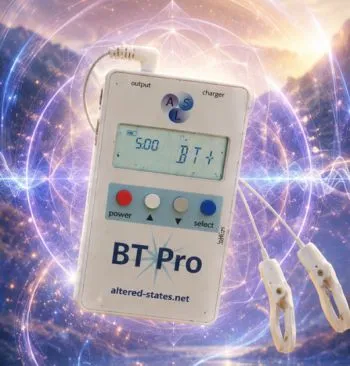
Dr. Margaret Patterson's Neuro-Electric Therapy
(NET) CES
She used low-level electrical stimulation around the ears during
opioid withdrawal and later reported success with other addictions
including nicotine and alcohol. Most of the published literature
consists of clinical reports and case series rather than modern
randomized trials, but her clinic became internationally known
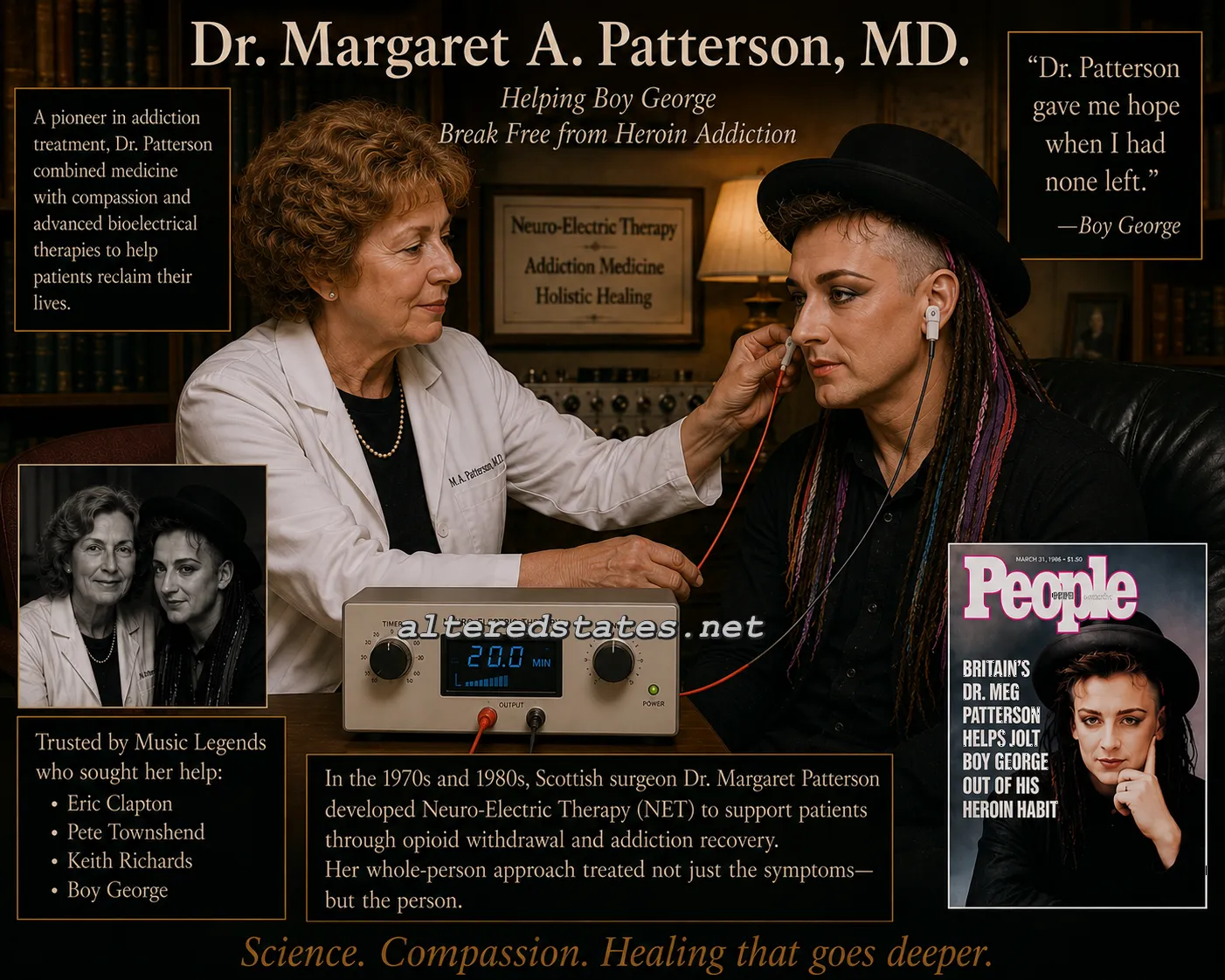
and attracted musicians including Pete Townshend, Eric Clapton,
Keith Richards and Boy George. Source
When Conventional Treatments Failed, They Went
to Dr. Margaret Patterson
OMNI Magazine, Volume 5, Number 4, January
1983 an Article was written by Kathleen McAuliffe, "The
Black Box: Secret Drug Treatment of Rock Superstars" described
how a "Brain Tuner" black box was used by Dr. Margaret
A. Patterson, MD., to cure British rock star Pete Townsend
of "The Who" of his addiction to heroin.
Meg Patterson had contracted Shackman Instruments, UK., to
build the device for her. She along with Dr. H. L. Wen[63][64] were brought
to the USA in 1981 by the Neuro-Electric Therapy (NET) Group to develop,
produce, promote and sell such units by one investor and a backing financial
firm, Turner Leverage Corporation.[59]
Boy George .
According to the BMJ (British Medical Journal) obituary for
Dr. Margaret (Meg) Patterson, her Neuro-Electric Therapy (NET) became popular
with a number of well-known musicians, including:
Eric Clapton
Pete Townshend
Keith Richards
Boy George
More
Even more specifically, a 1986 People magazine article was
titled:
" Britain's Dr. Meg Patterson Helps Jolt Boy George Out of His
Heroin Habit."
So there is contemporary reporting that she treated Boy George
during his heroin addiction in the mid-1980s.

Nicotine Addiction
This is now one of the best-studied applications.
Several systematic reviews have concluded that non-invasive
electrical brain stimulation can reduce:
cigarette craving
cigarettes smoked
cue-induced craving
relapse risk (in some studies)
The newest meta-analysis (2026) reviewed 21 studies and found:
significant reductions in nicotine craving
moderate reductions in cigarette consumption following stimulation
evidence that brain activity changes accompany these effects,.
Earlier meta-analyses reached similar conclusions, showing
reductions in smoking behaviour and cue-provoked craving.
Alcohol Addiction
Alcohol has also been studied extensively.
Reviews conclude that transcranial direct current stimulation
(tDCS) appears promising as an adjunct treatment by reducing:
craving
relapse
impulsive behaviour
although results are more variable than for nicotine
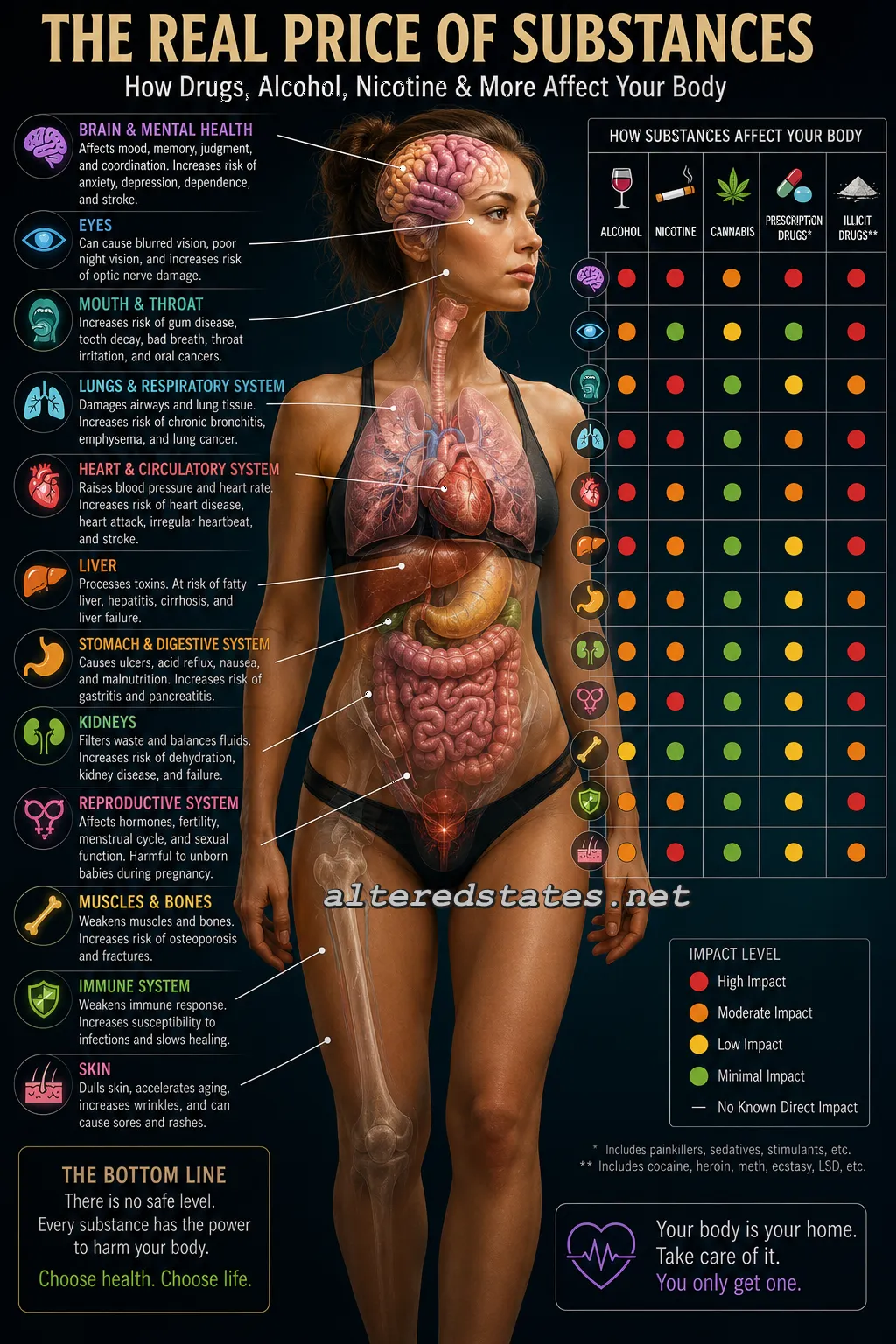
PS alcohol destroys your sex
life
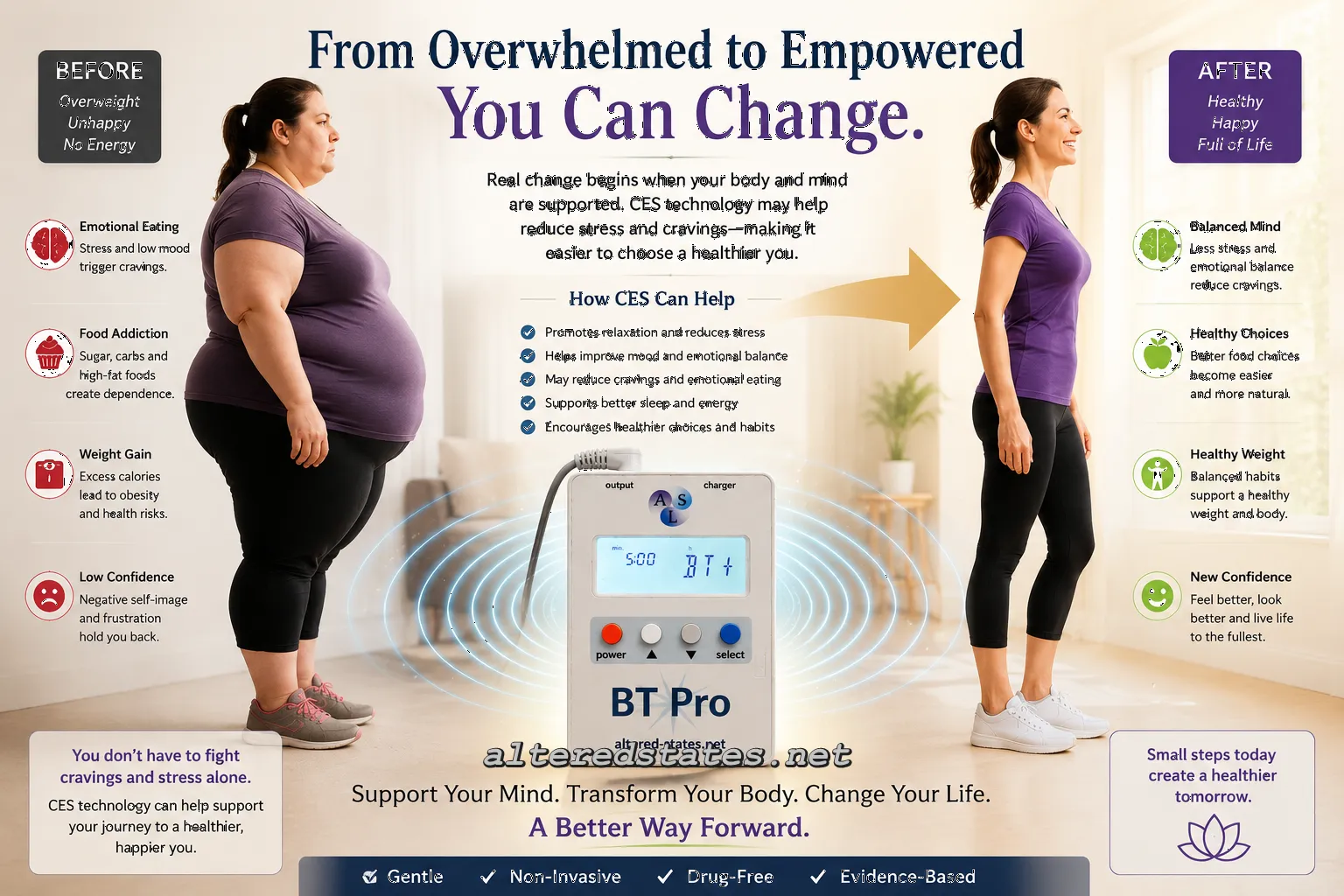
. It's Not Just About Losing Weight... It's About Getting
Your Life Back."
"Freedom From Food Cravings Is Possible."
Weight gain and food cravings affect millions of people,
and obesity has become one of the biggest health challenges in the United
States. For many people, the struggle isn't simply hunger—it's persistent
cravings, emotional eating, and difficulty breaking established habits.
Research suggests that Cranial Electrotherapy Stimulation (CES) may help
reduce stress and anxiety, improve mood, and promote relaxation. By helping
some people feel calmer and more emotionally balanced, CES may also make
it easier to manage food cravings and support healthier eating habits as
part of a comprehensive weight-management program.
Cranial Electrotherapy Stimulation (CES)
CES has been investigated primarily for:
anxiety
depression
insomnia
Loneleness
Because these conditions commonly accompany addiction, several
addiction clinics have used CES to help manage withdrawal symptoms
and improve treatment retention.,Many clinicians now
incorporate it into recovery programs as a supportive therapy.
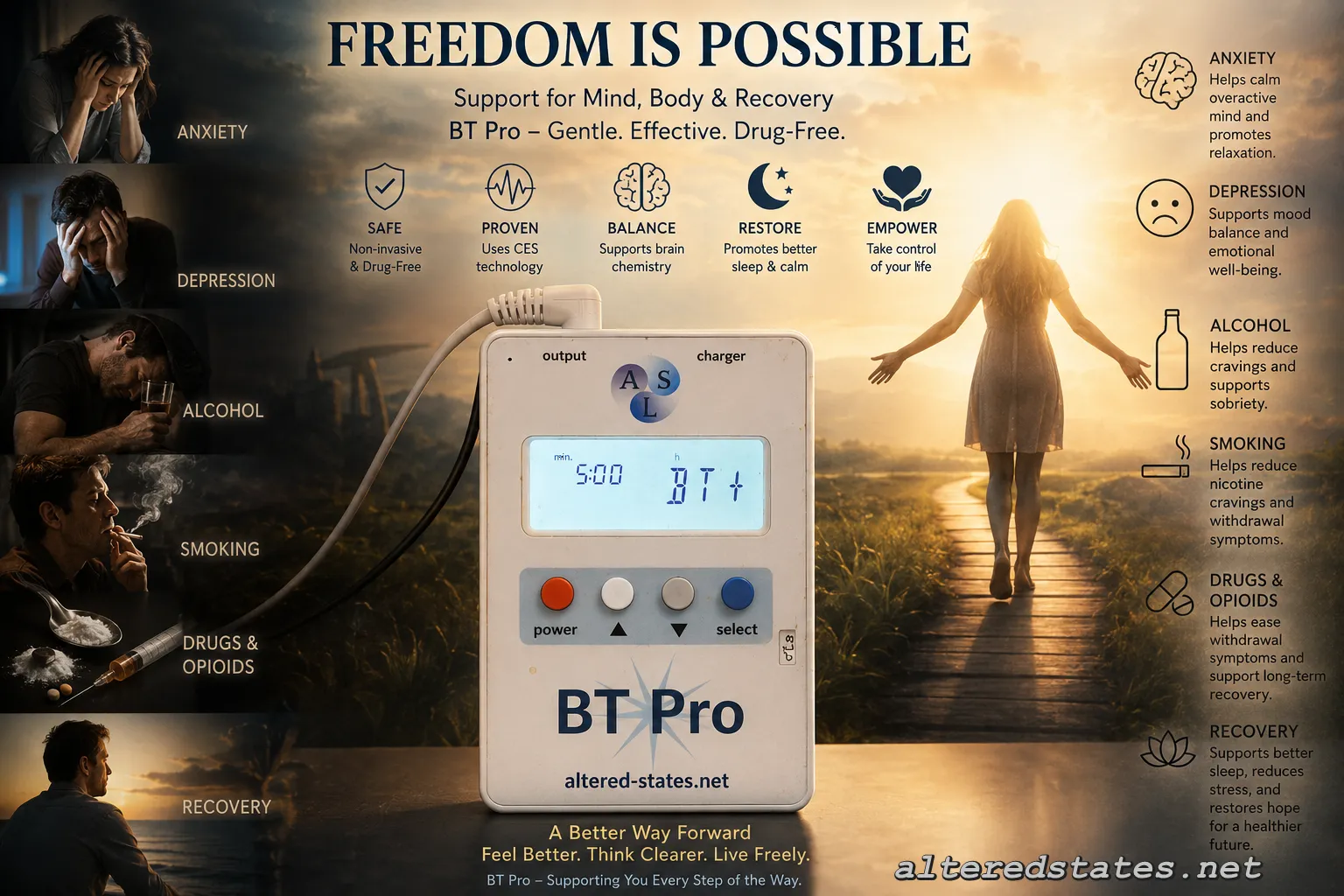
Anxiety
Depression
Smoking
Alcohol
Opioids
Food cravings
Obesity
Recovery
Better sleep
Emotional balance

Magnetic Frequency Stimulation (TMS) also included
in the btpro options
Transcranial Magnetic Stimulation (TMS) has become one of the
hottest research areas.
Meta-analyses show high-frequency stimulation over the left
dorsolateral prefrontal cortex can significantly reduce:
nicotine craving
cocaine craving
methamphetamine craving
Evidence for alcohol is encouraging.
. Why Frequencies Might Help
Although the exact mechanisms are still being investigated,
researchers propose that electrical or magnetic stimulation may influence:
dopamine reward pathways
prefrontal executive control
impulse regulation
craving circuits
stress and anxiety responses
cortical plasticity
Rather than targeting the addictive substance directly, these
approaches aim to modulate the brain networks involved in craving, decision-making,
and self-control.
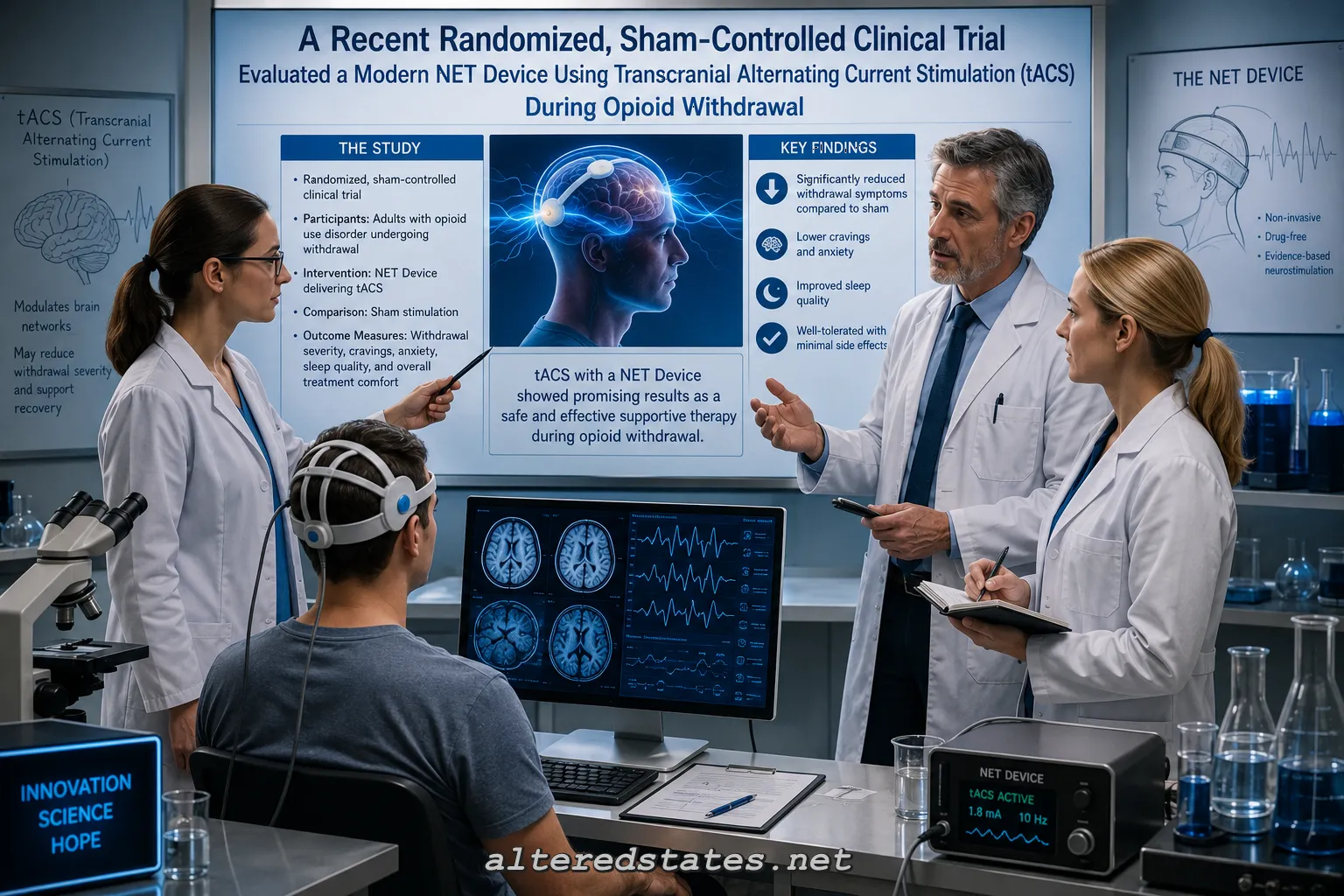
A recent randomized, sham-controlled clinical trial evaluated
a modern NET (CES) Device using transcranial alternating current
stimulation (tACS) during opioid withdrawal.
Click picture to Enlarge
The researchers found:
a 61% average reduction in opioid withdrawal scores after
one hour of active treatment
significantly greater improvement than the sham device
fewer participants requested medication-assisted treatment
the device was reported to be safe and well tolerated
The device received FDA market clearance in 2024 for reducing
opioid withdrawal symptoms. Source
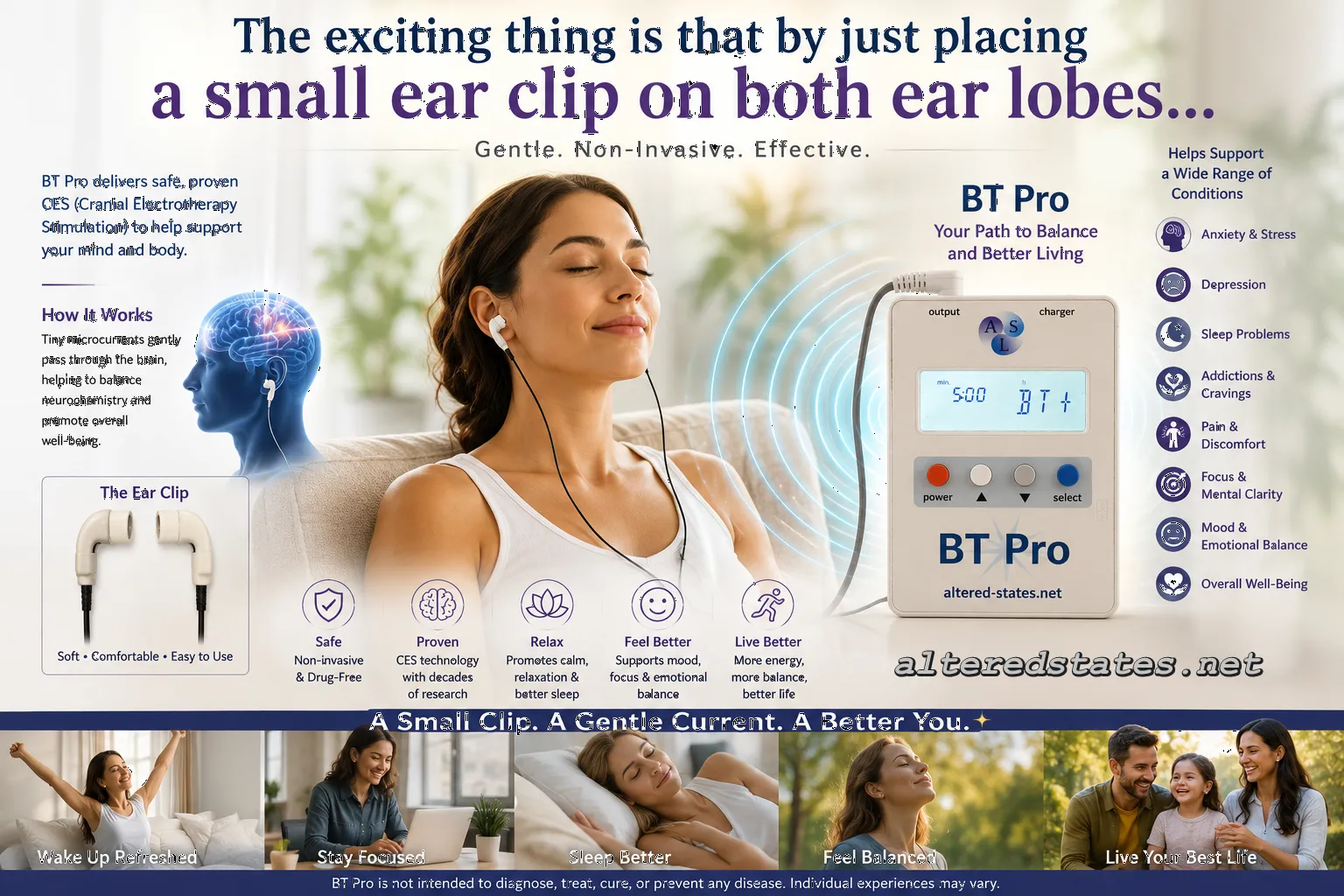
The exciting thing is that by just placing a small ear clip
on both ear.lobes
These devices stimulate branches of several cranial nerves
through the ear and have been cleared by the FDA as an adjunct treatment
for symptoms of acute opioid withdrawal.
Reviews report rapid reductions in withdrawal symptoms and
suggest these devices may improve comfort during detoxification. Source
Know
someone who may enjoy this newsletter?








 Full
LED screen