|
😴 SLEEP — THE HEALTH TOOL WE KEEP IGNORING
What
happens to the human body when we simply don't get enough?
We
spend roughly a third of our lives asleep.
For
generations, sleep was sometimes treated almost as wasted time — something
we could cut back when life became busy.
Science
now paints a very different picture.
While
we sleep, the brain continues working, immune activity changes, memories
are processed, cardiovascular regulation changes and metabolism continues
to be carefully controlled.
And
when we repeatedly cut sleep short, measurable changes begin appearing
throughout the body.
Perhaps
the better question isn't:
“Why
do we need so much sleep?”
It
might be:
“What
happens when the body doesn't get it?”
⏰ HOW
MUCH SLEEP ARE WE TALKING ABOUT?
For
most adults, 7 hours or more per night is the usual evidence-based recommendation.
That
doesn't mean everybody suddenly becomes unhealthy after one short night.
Human sleep requirements vary, and occasional poor nights happen.
The
concern involves regularly getting insufficient sleep.
And
this is remarkably common. Recent US national data found that 30.5% of adults averaged less than seven hours of sleep per 24 hours.
So
this isn't an unusual problem.
It
affects millions of ordinary people.
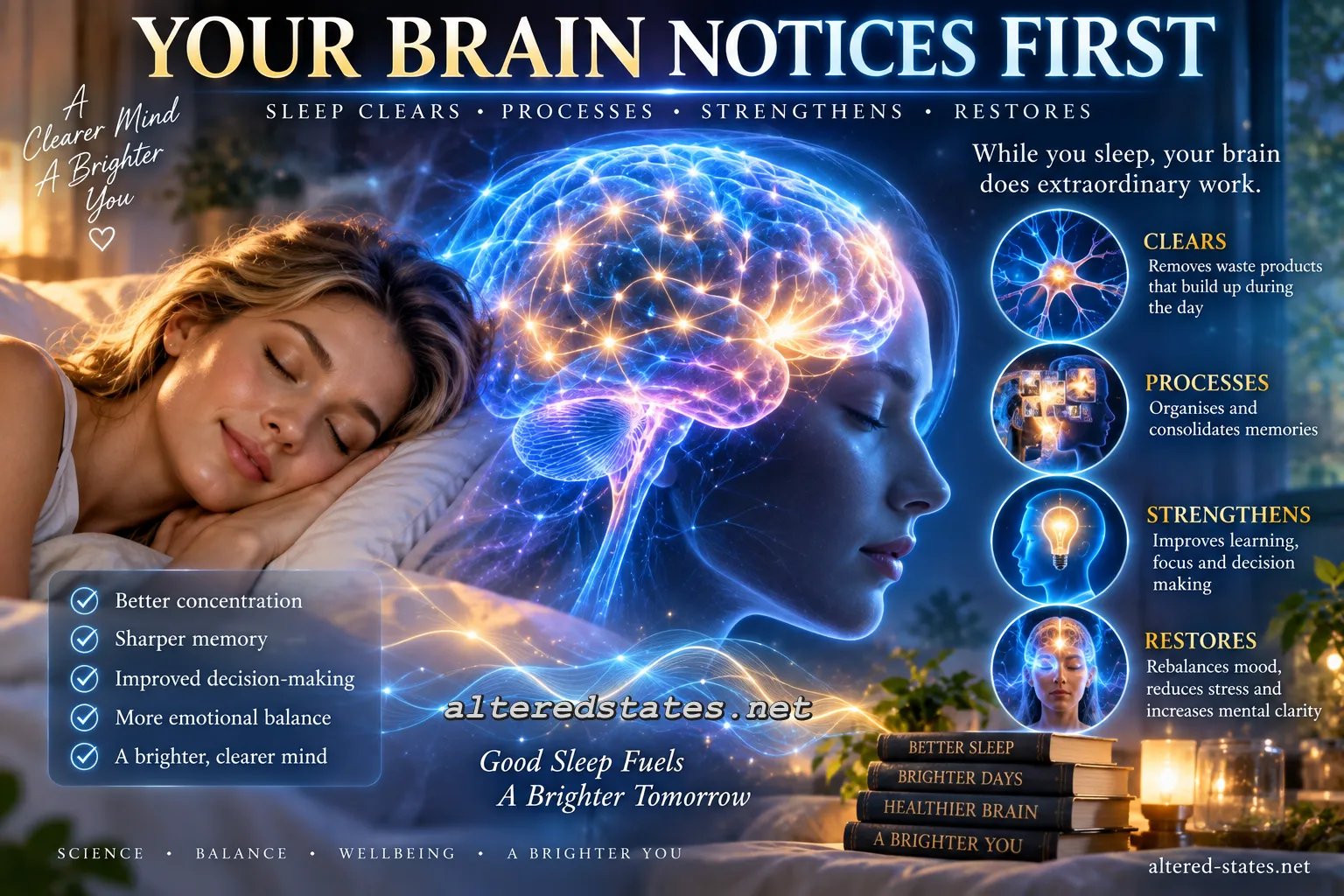
🧠 1. YOUR BRAIN
NOTICES FIRST
You
don't need years of poor sleep before something changes.
Even one
night of restricted sleep can measurably increase sleepiness, slow reaction time and increase lapses of
attention.
A
2024 meta-analysis combined 44 studies in which sleep was restricted to only 2–6 hours. Researchers found significantly
slower reaction times and more attention failures the following day.
With
continued sleep restriction, the effects extend to:
attention •
executive function • memory • decision-making • reaction time
A
meta-analysis of 61 experimental studies found significant impairment
in cognitive performance after sleep restriction.
And
another recent analysis involving 1,234 participants found that restricting sleep to roughly 3–6.5 hours impaired the formation of
new memories compared with normal sleep.
In
simple English:
A
tired brain doesn't work like a rested brain.
❤️ 2. YOUR
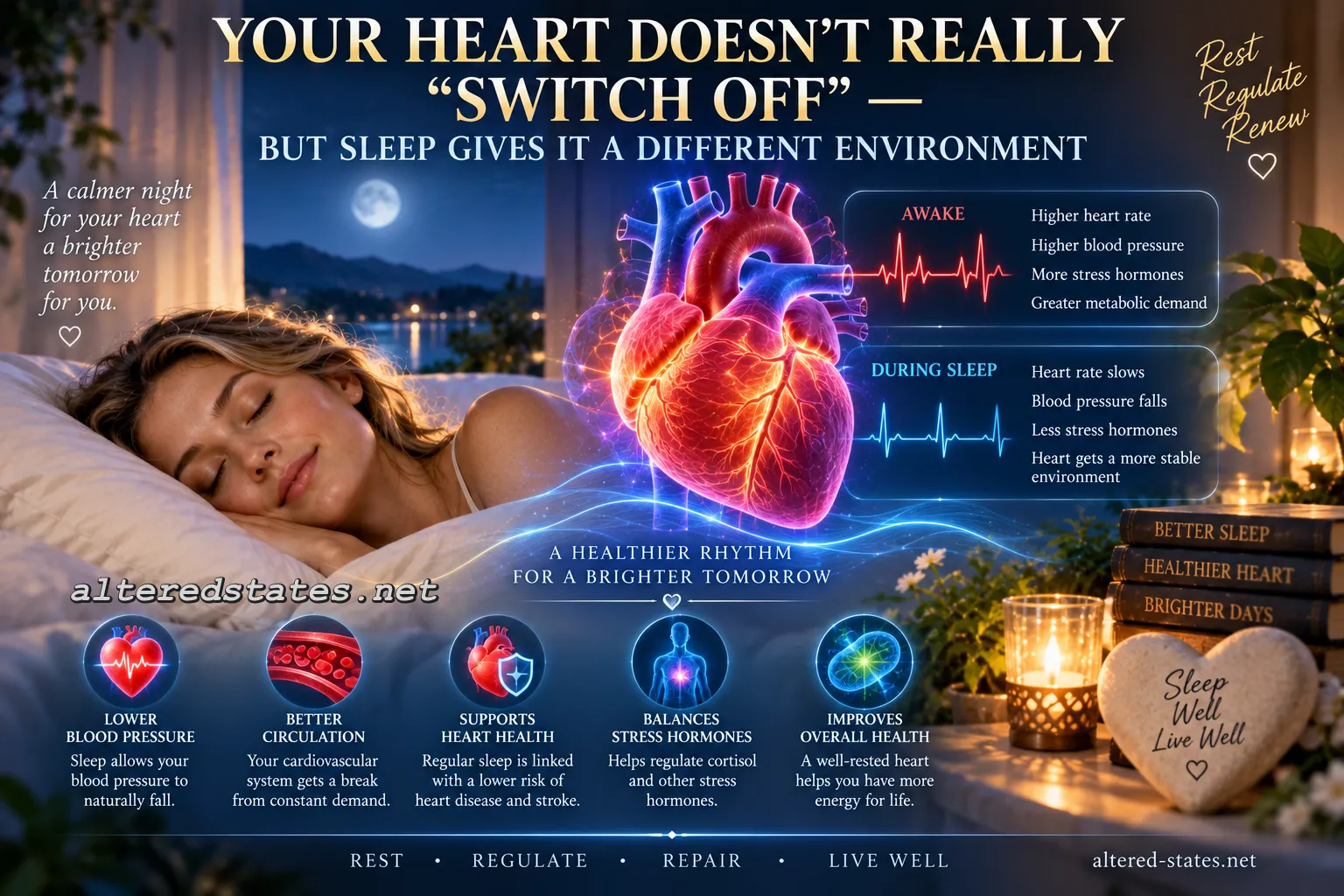
HEART DOESN'T REALLY “SWITCH OFF” — BUT SLEEP GIVES IT A DIFFERENT
ENVIRONMENT
During
normal sleep, blood pressure ordinarily falls.
When
sleep repeatedly becomes too short or disrupted, the cardiovascular
system spends less time in that normal nighttime state.
The
NIH and CDC report associations between insufficient sleep and high blood pressure, cardiovascular disease and stroke.
Large
prospective studies have also found relationships between sleep duration
and subsequent cardiovascular events and mortality. These population
studies show associations rather than proving that short sleep alone
caused every event — but the pattern has appeared repeatedly.
So
perhaps sleep shouldn't be regarded merely as rest for the mind.
Your
cardiovascular system appreciates it too.
🍰 3. SLEEP
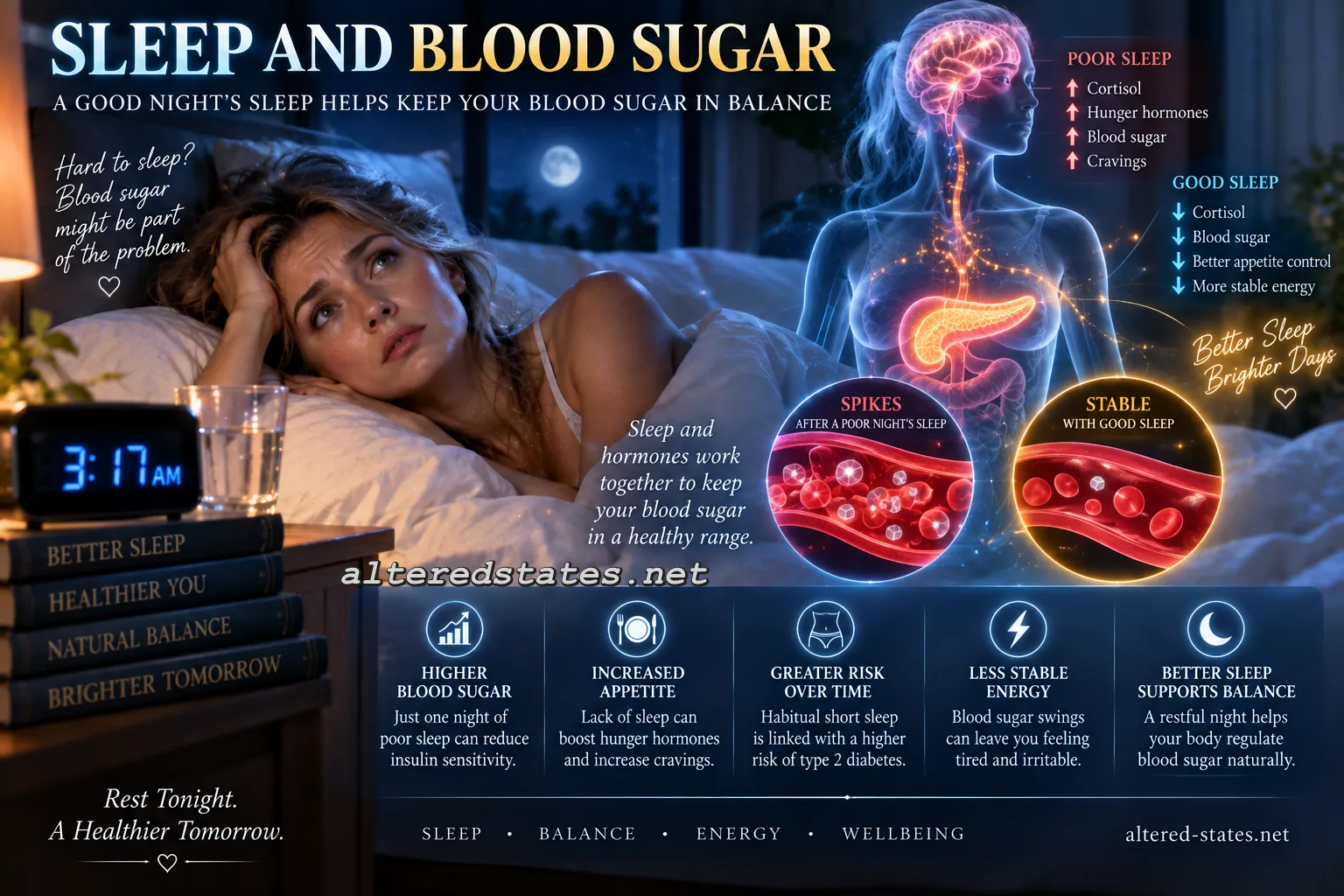
AND BLOOD SUGAR
Here's
another fascinating connection.
Sleep
and metabolism continually interact.
Research
links habitual short sleep with a greater likelihood of type 2 diabetes, while inadequate sleep can alter the way the body regulates glucose and metabolism.
This
matters because we normally think about blood sugar entirely in terms
of:
What
did I eat?
But
biology asks another question:
How
did I sleep?
Food,
physical activity, genetics and body weight obviously matter enormously.
But
sleep belongs in that conversation as well.
⚖️ 4. SLEEP
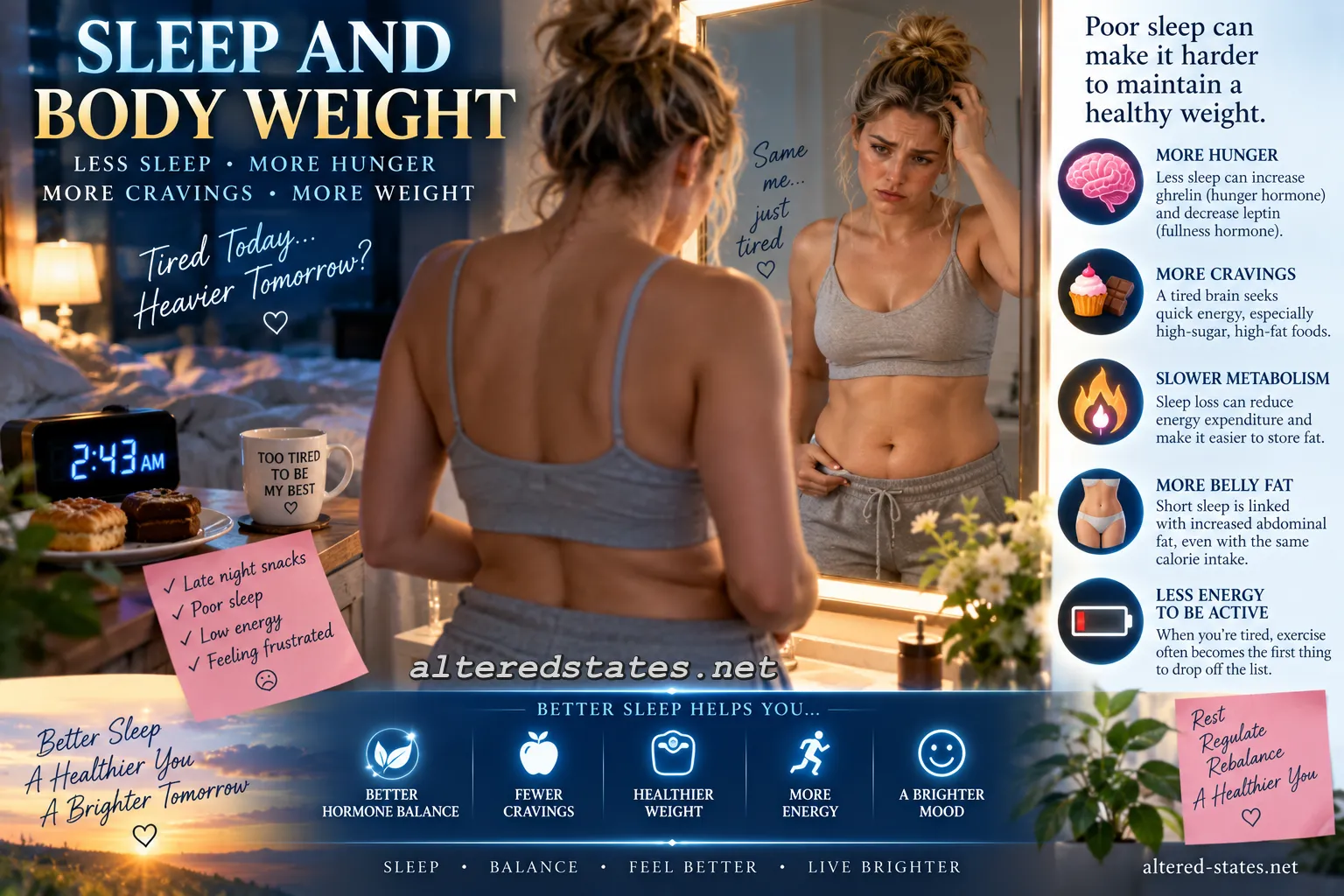
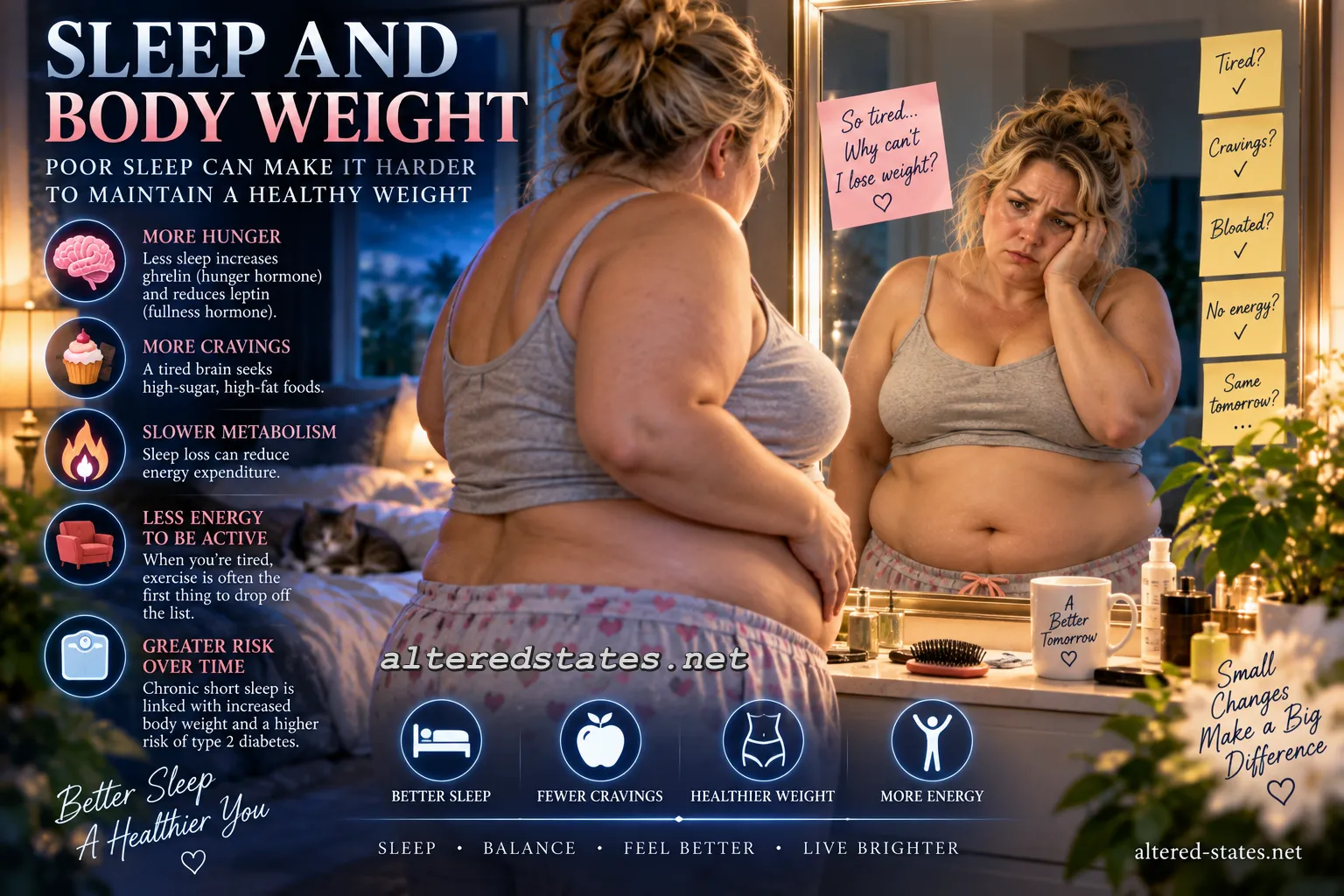
AND BODY WEIGHT
Scientists
have also repeatedly found an association between insufficient sleep
and excess body weight and obesity.
Sleep
interacts with appetite, energy expenditure, metabolism and the brain
systems involved in hunger and food choices.
That
doesn't mean lack of sleep automatically makes someone overweight.
It
means something more interesting:
Weight
regulation doesn't happen independently of sleep.
You
can pay attention to food and exercise while forgetting one of the other
major biological variables occurring every night.
🛡️ 5. YOUR
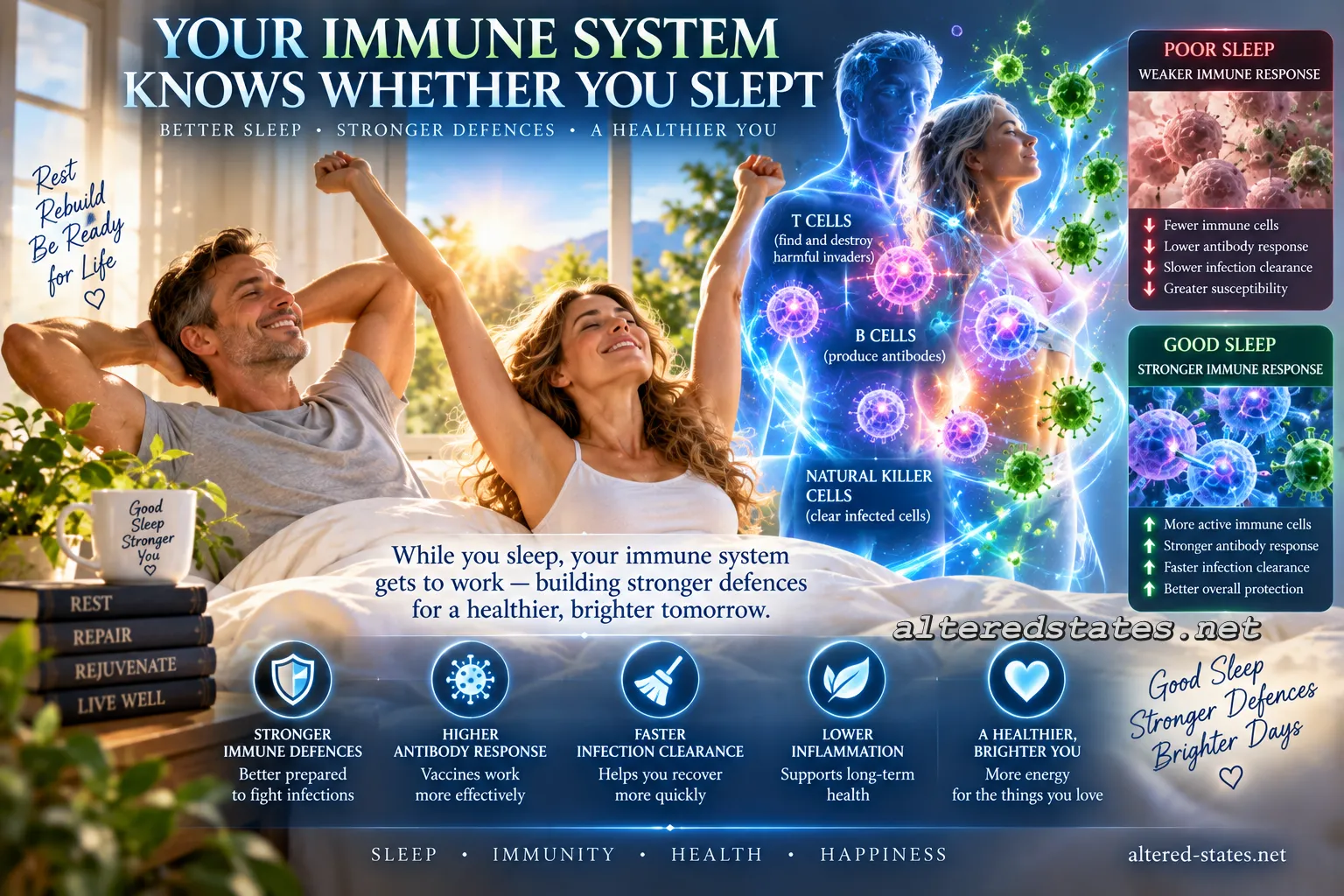
IMMUNE SYSTEM KNOWS WHETHER YOU SLEPT
This
may be one of the most fascinating areas of sleep research.
Scientists
have studied what happens to the human immune system when otherwise
healthy people simply lose sleep — and measurable changes can occur
remarkably quickly.
In
one controlled experiment, healthy men were deprived of sleep for only four hours during part of one night. Natural killer (NK) cell activity fell to about 72% of the participants' normal baseline level. After normal sleep resumed, NK-cell activity returned to baseline.
Another
experiment involving 42 healthy men also found that partial sleep deprivation reduced several measures of natural
killer-cell and cellular immune activity.
🦠 THEN
SCIENTISTS TRIED SOMETHING EVEN MORE INTERESTING
Instead
of simply measuring immune cells in a laboratory, researchers examined
whether people's normal sleeping habits affected their resistance when
deliberately exposed to a common cold virus.
In
one study of 153 healthy adults, those averaging less than seven hours of sleep were almost three times as likely to develop a clinical cold after exposure to rhinovirus as those averaging eight hours or more. Poor sleep
efficiency showed an even stronger association.
A
later study used wrist monitors rather than relying simply on people's
memories of how long they slept. Among 164 healthy adults deliberately exposed to rhinovirus, people sleeping less than five hours were about 4.5 times as likely to develop a clinical cold as those sleeping more than seven hours. Those averaging five to six hours also
had substantially greater susceptibility.
You
can increase your Killer cells
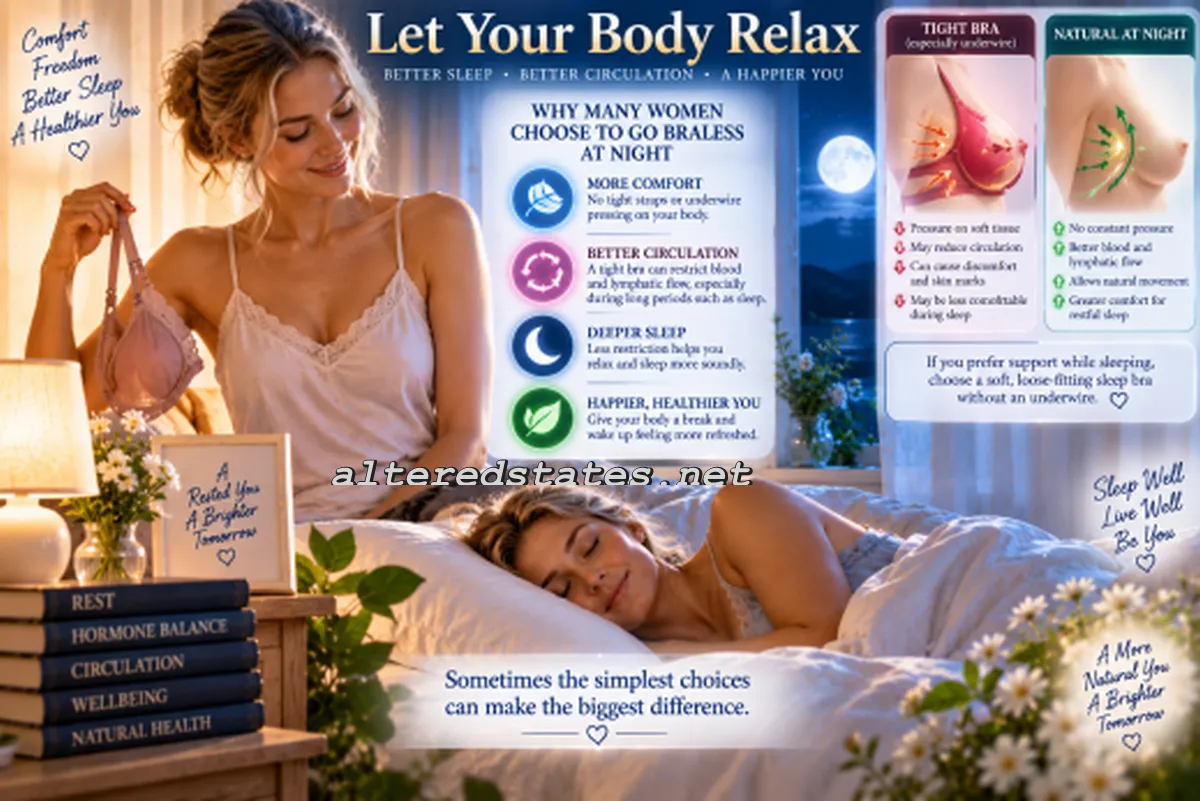
A breast surgical oncologist at Cleveland Clinic notes
that a bra that is too tight, particularly an underwired one, can
restrict circulation and cause pressure, discomfort and red indentations
during sleep. Their practical advice for women who prefer nighttime
support is a soft, properly fitted, non-underwired sleep bra.
There is also an interesting breast-cancer
paper from China. In that case-control study, wearing a bra at
night was statistically
associated with breast cancer after adjustment
(reported OR 1.902, 95% CI 1.177–3.072). However, this was observational
research, so
it cannot establish that nighttime bra wearing
caused the cancers, and I wouldn't present it that way.
Importantly, a much larger US population-based
study subsequently examined 1,513 postmenopausal women and found
no association
between breast-cancer risk and hours per day wearing
a bra, underwire use, cup size, or age when women began wearing
bras. The researchers
specifically discussed the proposed lymphatic-drainage
theory but found their results did not support an increased breast-cancer
risk
from bra wearing.
So for your sleep newsletter, I'd make a small
section that says something like:
�� SHOULD YOUR BREASTS GET A REST TOO?
For many women, bedtime means finally taking
off the bra — and there may be a perfectly sensible reason
for doing
so: comfort
and freedom from unnecessary pressure.
A tight bra or underwire can place pressure on
the skin and underlying tissues and may restrict
local circulation, particularly
when it remains compressed against the body for
hours while sleeping. If a bra leaves deep marks,
causes tenderness, numbness, irritation
or wakes you during the night, it certainly isn't
helping you obtain comfortable, uninterrupted
sleep.
So perhaps the simplest advice is also the
most natural: if you don't need breast support during the night,
give your body a break. And if you prefer support while sleeping,
choose something soft, loose-fitting and without an underwire. |
🧬 EVEN
YOUR T CELLS RESPOND TO SLEEP
Researchers
have also discovered a fascinating relationship between sleep and T cells.
T
cells need to attach effectively to their targets as part of an immune
response. A human study found that sleep increased activation of molecules
called integrins, which help T cells adhere to target cells. The researchers proposed this as
one mechanism through which sleep may support immune defence.
And
sleep loss doesn't simply mean an immune system that is universally "weaker." The biology is more complicated than that.
Repeatedly
restricting sleep can also shift inflammatory activity. A 2025 meta-analysis
of 35 experimental studies involving 887 healthy adults found that several nights of partial sleep deprivation were associated with
increases in the inflammatory markers IL-6 and C-reactive protein (CRP).
You
can increase your T cells
❤️ THE
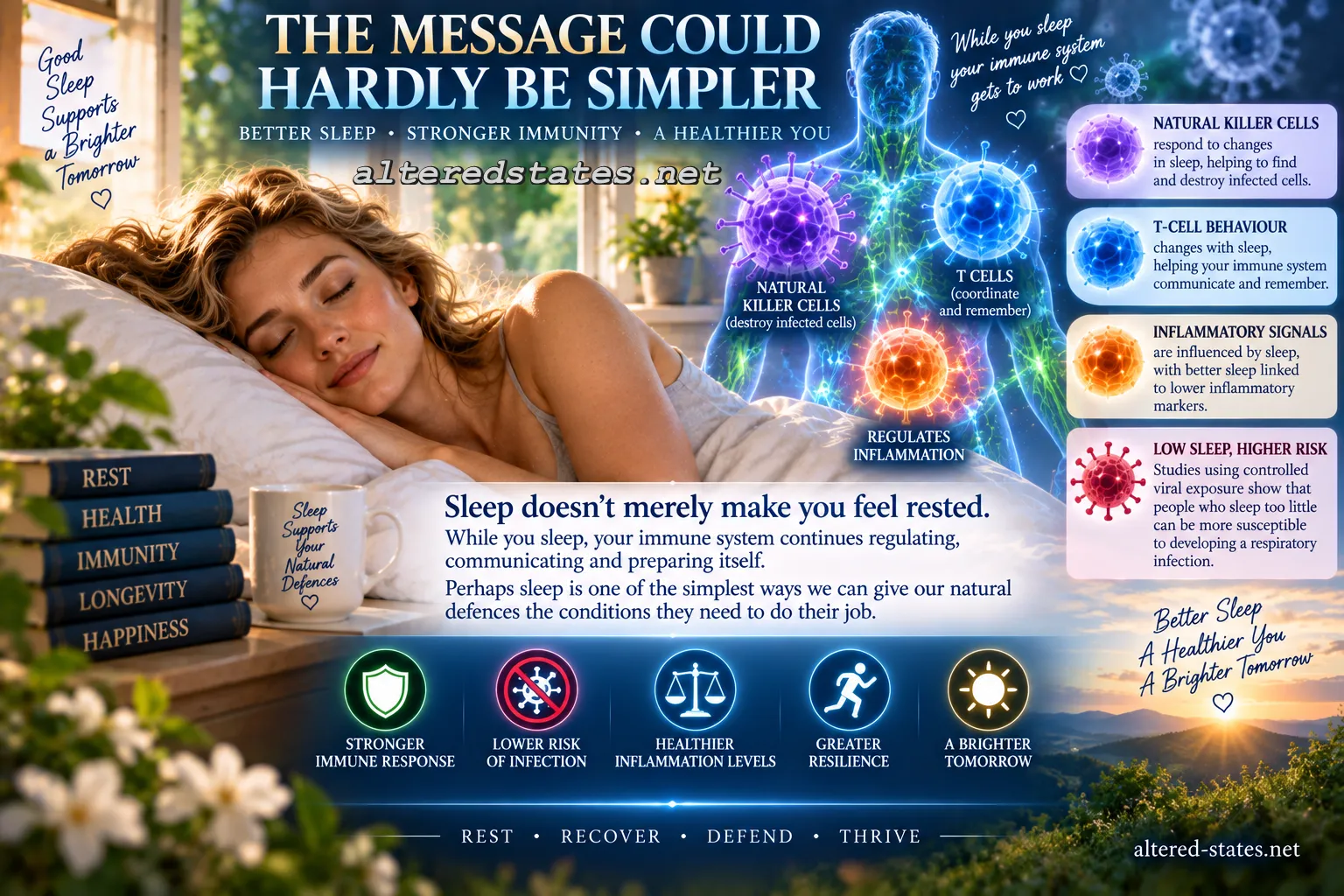
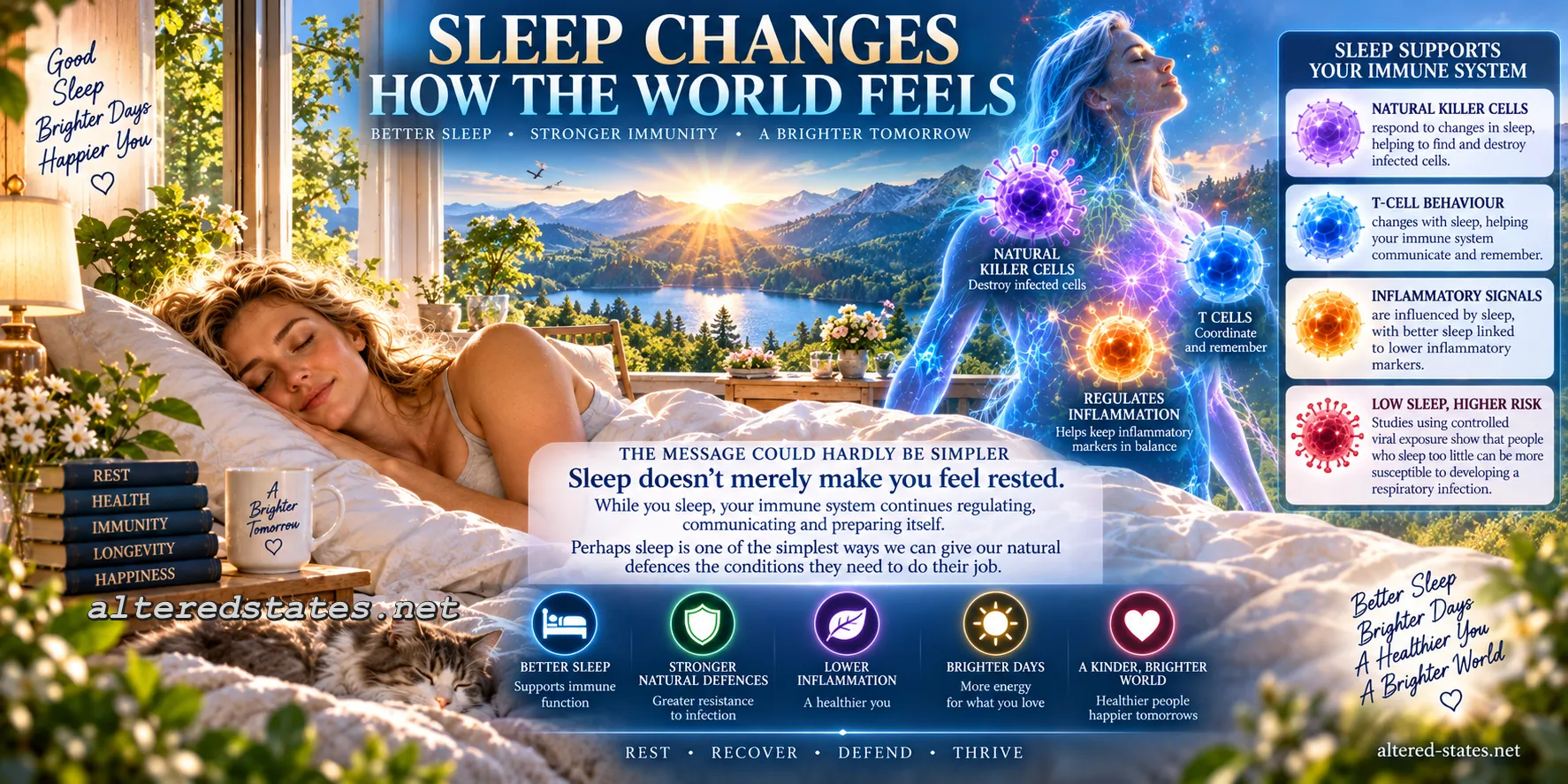
MESSAGE COULD HARDLY BE SIMPLER
Sleep
doesn't merely make you feel rested.
While
you sleep, your immune system continues regulating, communicating and
preparing itself.
Natural
killer cells respond to changes in sleep.
T-cell
behaviour changes.
Inflammatory
signalling changes.
And
controlled viral-exposure experiments suggest that people regularly
getting too little sleep can become more susceptible to developing an actual respiratory infection.
Perhaps
sleep is one of the simplest ways we can give our natural defences
the conditions they need to do their job.
😊 6. SLEEP
CHANGES HOW THE WORLD FEELS
Everyone
who has been badly sleep deprived already knows this one.
Things
that normally wouldn't bother you suddenly do.
Patience
disappears.
Everything
seems harder.
Science
can actually measure this.
A
major 2024 review combined 154 experimental studies involving 5,717 people.
Across
the studies, sleep loss reduced positive emotions and increased anxiety
symptoms.
An
earlier meta-analysis similarly found increased negative mood and a
substantial reduction in positive mood following sleep loss.
So
sometimes:
The
world hasn't suddenly become worse.
We
may simply need some sleep. 😊
🚗 7. ONE
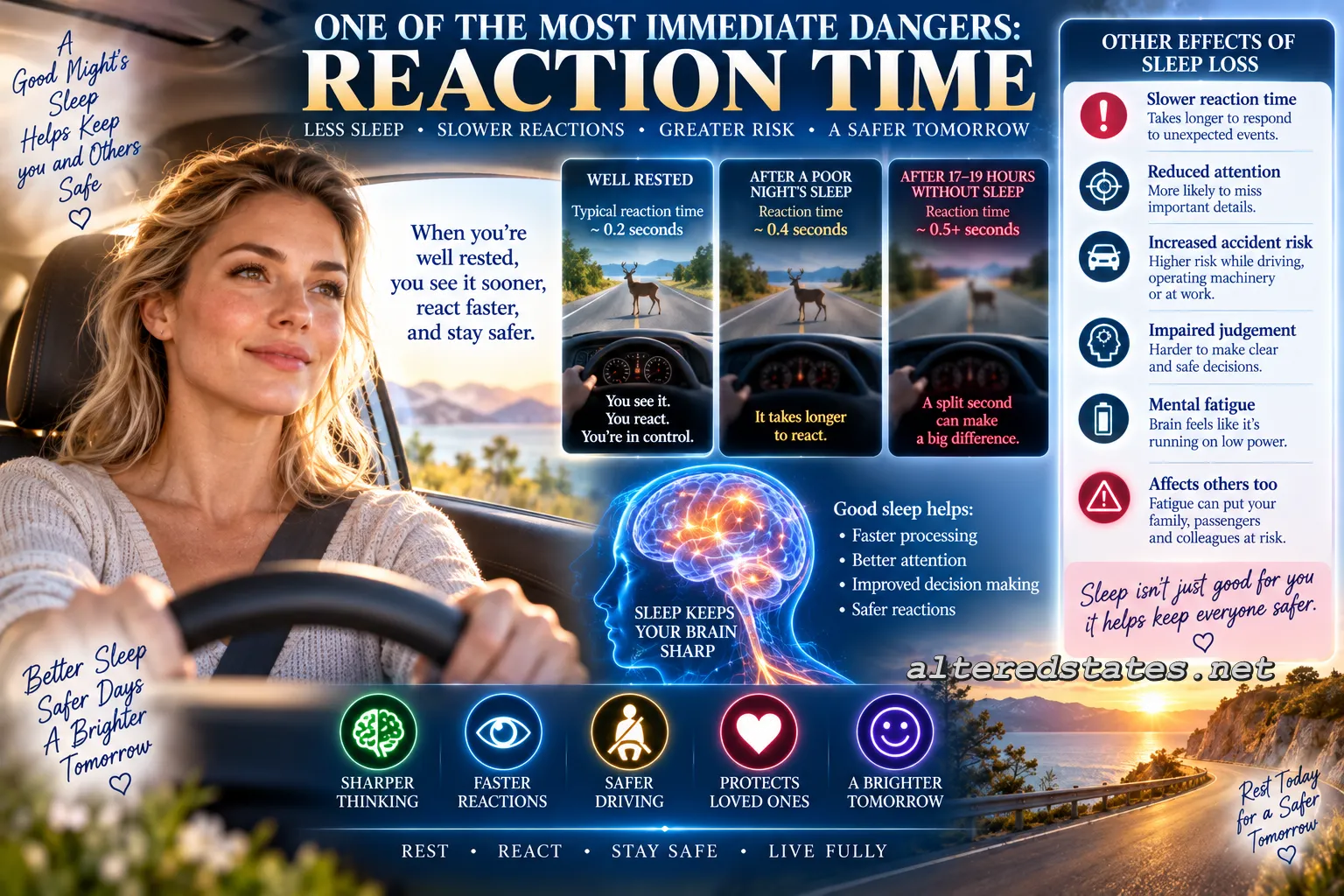
OF THE MOST IMMEDIATE DANGERS: REACTION TIME
Here's
where insufficient sleep can become dangerous very quickly.
Sleep
loss increases:
attention lapses
• slower reactions • microsleeps • errors
Laboratory
sleep-deprivation studies repeatedly demonstrate deterioration in cognitive
and motor performance.
The
NIH notes something particularly striking:
After
several nights losing even 1–2 hours of sleep each night, functioning can deteriorate substantially.
That's
why sleep isn't merely a “wellness” issue.
When
somebody is driving a car, operating machinery or making decisions where
mistakes matter, adequate sleep becomes a safety issue.
🩺 WHAT
DISEASES HAVE BEEN ASSOCIATED WITH INSUFFICIENT SLEEP?
This
needs careful wording because an association does not mean that insufficient sleep single-handedly causes every disease.
Nevertheless,
large bodies of research have associated habitual insufficient sleep
with increased risk or prevalence of:
High
blood pressure • cardiovascular disease • stroke • obesity • type
2 diabetes • depression and anxiety
The
CDC includes these among the chronic conditions associated with insufficient
sleep.
That's
quite a list for something many of us regard as optional.
🌙 PERHAPS
SLEEP ISN'T “DOING NOTHING”
This
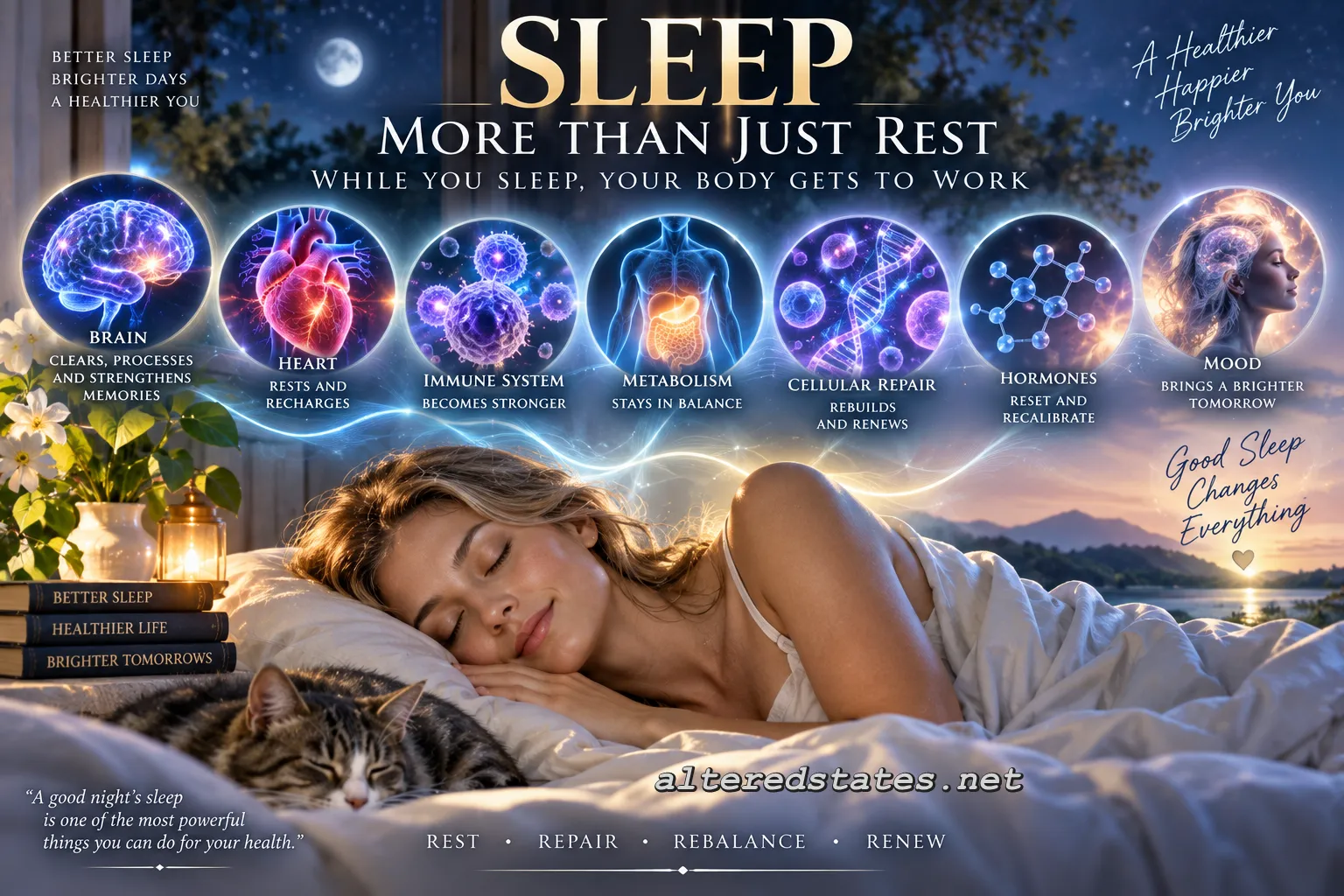
may be the most important idea in the newsletter.
When
we sleep, we aren't simply turning ourselves off for eight hours.
The
sleeping body remains extraordinarily active.
The
brain processes information.
Memories
are consolidated.
Immune
processes continue.
Hormonal
patterns change.
Blood
pressure normally falls.
Metabolic
regulation continues.
Neural
networks move through remarkably organized electrical rhythms.
Sleep
isn't an interruption to life.
Sleep
is part of the machinery that keeps life working.
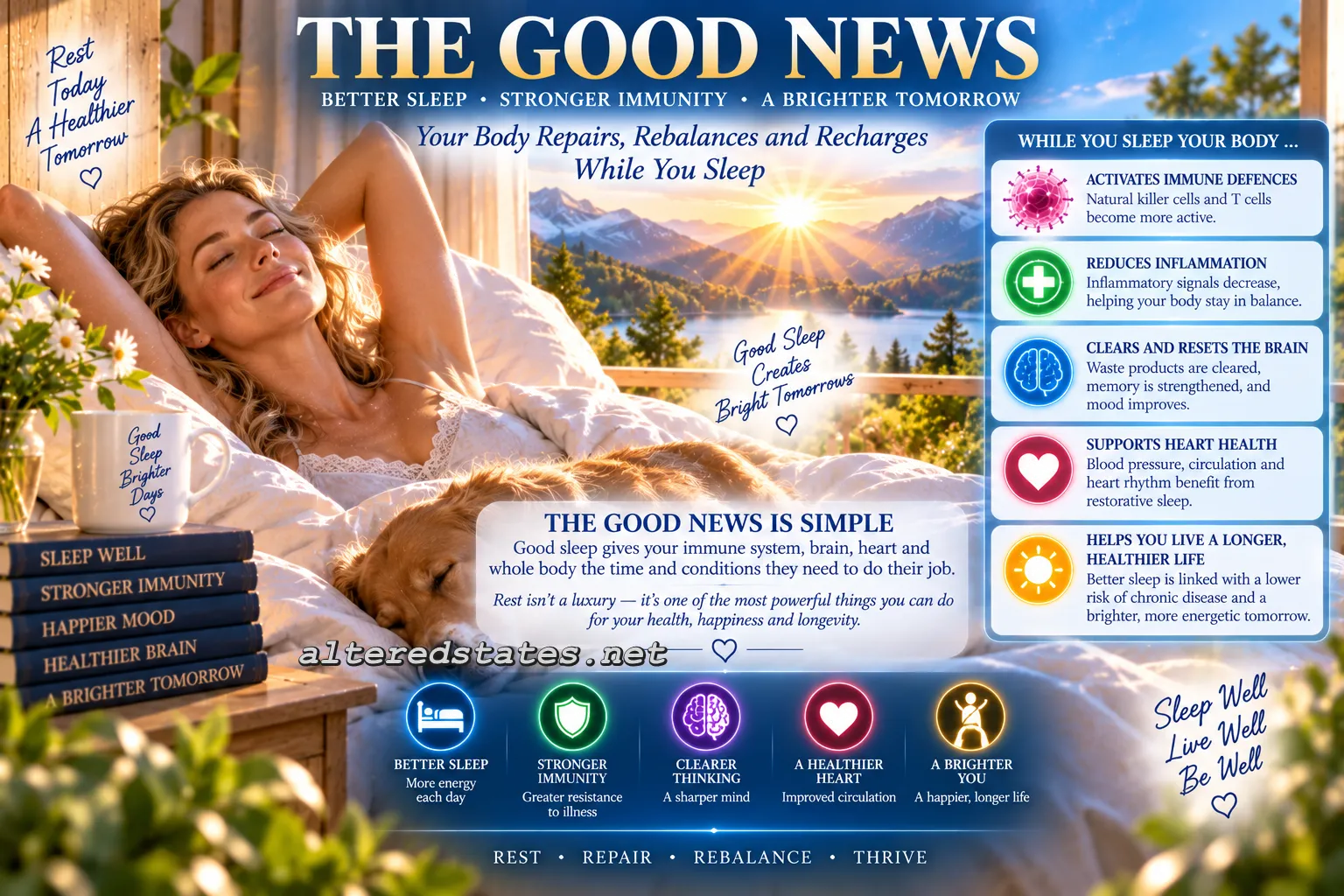
☀️ THE
GOOD NEWS
Unlike
many health factors we cannot easily change, sleep often gives us something
practical to work with.
Simple
habits supported by mainstream sleep research include maintaining fairly
regular sleep and waking times, getting natural light earlier in the
day, being physically active, reducing bright artificial light late
at night, and keeping the bedroom dark, quiet and comfortably cool.
No
miracle cure.
No
exotic supplement.
No
complicated theory.
Sometimes
one of the most useful things we can give the body is simply:
Enough
time to sleep.
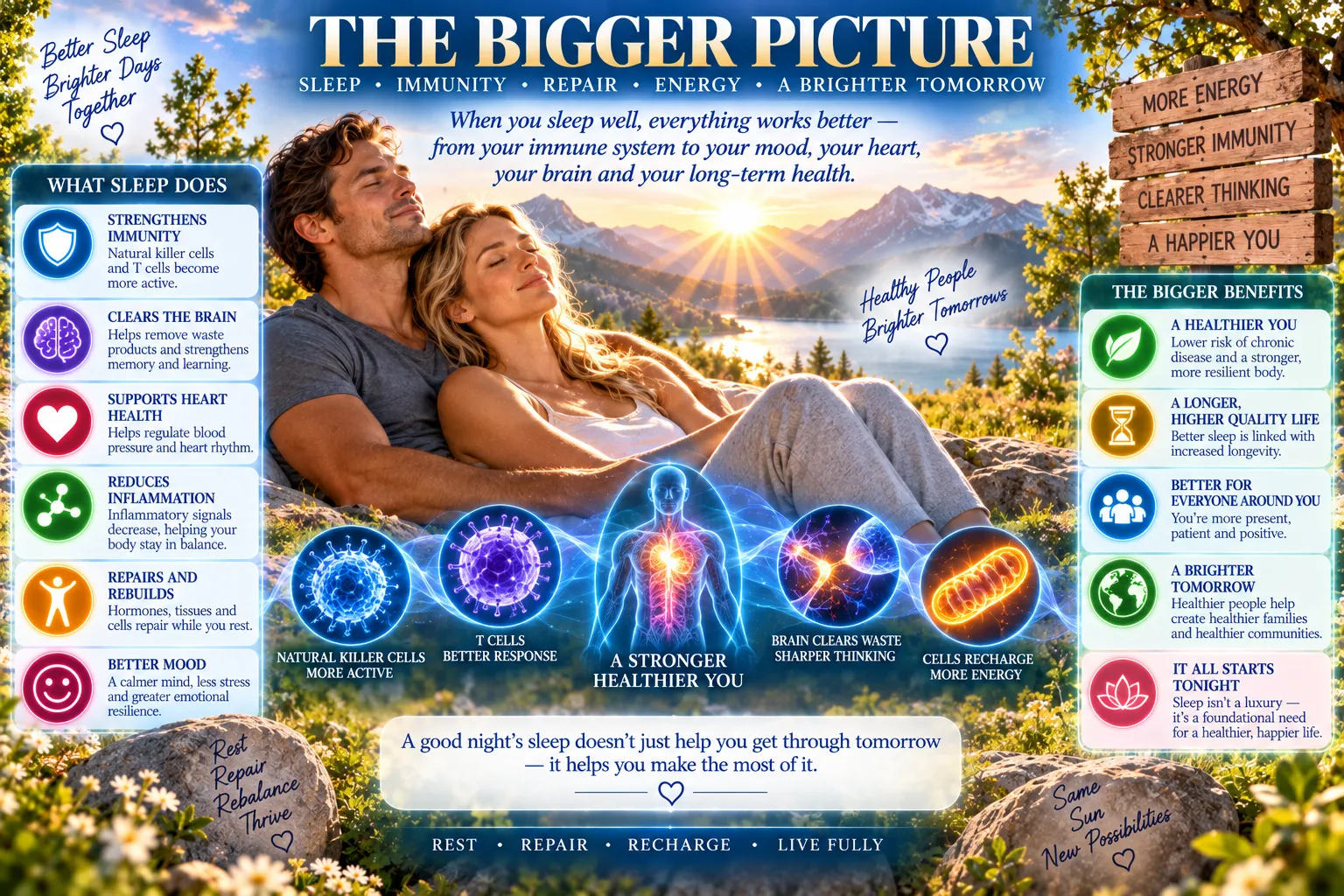
❤️ THE
BIGGER PICTURE
We
spend enormous amounts of money trying to improve health.
We
think about food.
We
think about exercise.
We
think about supplements.
We
think about stress.
But
every evening nature gives us another biological tool completely free
of charge.
Sleep.
Perhaps
those hours aren't being taken away from our lives.
Perhaps
they are helping give us our lives back each morning.
Sleep
well. Wake well. Live well.
— Altered
States
Scientific
references
NIH overview of sleep deprivation and health
The particularly useful research papers are PMID 38759474 (one-night restriction and cognition), 39427809 (memory), 36917932 (vaccination and immune response), 14508028 and 21632713 (sleep and immune memory), and 38127505 (sleep and emotional health)
“Ready for a Better Night's Sleep?”
Having Trouble Falling Asleep
— or Staying Asleep?
You don't necessarily need an expensive solution.
Take a look at these simple, affordable options that may
help you relax, unwind and sleep more comfortably.
Sometimes a little help can make a big difference.
|
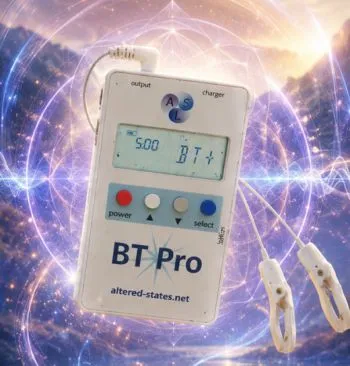
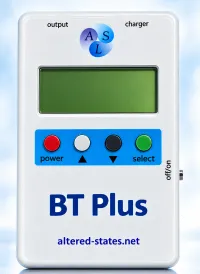
BTPlus
Frequencies 0.5 Hz Sleep Insomnia
1.5Hz Pain ,quiet sleep
5.00Hz Memory,Fast learning
7.83Hz ocused mental states
100.Hz Feel better, Blast those moods
Full BT6-BT9-BT11 Frequencies
State
of the art Micro processors control this amazing
new unit
Time: 5, 10, 20, 40 mins timer
Rechargable Batteries
Portable
Intensity Controls
High quality ear clips
|
Know
someone who may enjoy this Webpage?
|



 Full
LED screen
Full
LED screen