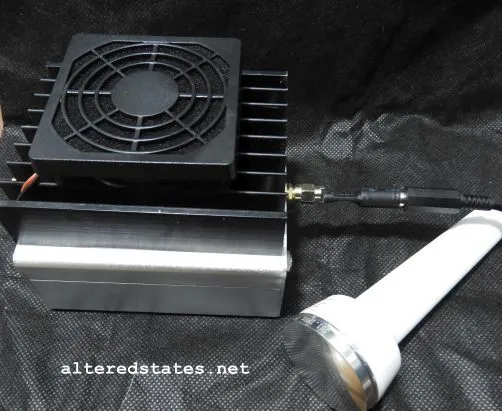
🧬Rife Ultrasound Breakthrough: Using Sound to Target Cancer Cells
🔬 Research Focus:
Scientists are exploring a new method called Oncotripsy,
which uses tuned sound waves to damage cancer cells without harming
healthy cells.
Histotripsy for liver cancer:
What to know about this novel ...
14 Jan 2025 — Histotripsy is a new technology that
was approved in 2023 by the Food and Drug Administration
(FDA) for the treatment of liver tumors.
University of Michigan News
Oncotripsy: Targeting cancer
cells selectively via resonant harmonic excitation
A dynamical model of oncotripsy by mechanical cell fatigue: selective cancer cell ablation by low-intensity pulsed ultrasound
Ultrasound-induced mechanical damage of cancer cell cytoskeleton
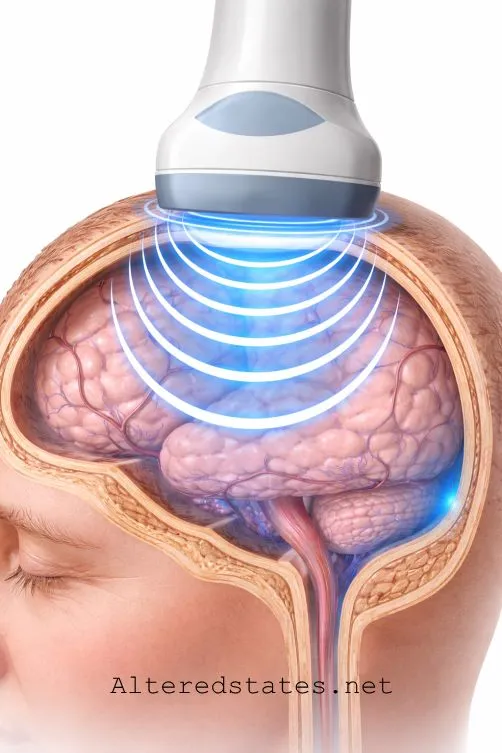
🎯 What is Oncotripsy?
Imagine tuning a musical instrument — certain notes make strings vibrate.
Now, imagine cancer cells vibrating at specific frequencies.
🔊 Oncotripsy works like this:
- Every
cell (healthy or cancerous) has a natural frequency — like
a tiny bell.
- Cancer
cells and normal cells vibrate differently.
- By
applying precisely tuned sound waves, scientists
can make only the cancer cells break apart (lyse),
while healthy cells stay intact.
📍 Key Idea:
Resonance — make only cancer cells vibrate until
they fall apart.
Oncotripsy is
an, experimental method that uses low-intensity pulsed
ultrasound (LIPSA) at specific, low-megahertz frequencies
to target and destroy cancer cells based on their mechanical
properties.
Oncotripsy Frequencies
and Mechanisms
- Target
Frequencies: Ultrasound
is applied at frequencies of 0.5–0.67 MHz.
- Histotripsy for liver cancer, typically
utilizes ultrasonic frequencies in the range of
250 kHz to 6 MHz
- Mechanism: These
frequencies are chosen to match the resonance frequency
of cancer cells, which are typically softer and have
different structural properties than healthy cells,
causing them to rupture (lysis)
while leaving healthy, more rigid cells intact.
- Effect: The
treatment disrupts the cytoskeleton and creates acoustic cavitation,
inducing cell death.
🧠 Why This Matters
✅ Targeted Treatment
This method could one day destroy cancer cells specifically, without
side effects like traditional treatments (e.g., chemotherapy).
✅ Non-Invasive
Sound waves can pass through the body without surgical intervention,
potentially reducing pain and recovery time.
What Is Ultrasound?
Ultrasound is simply sound that vibrates faster than
the human ear can hear.
Humans hear up to about 20,000 vibrations per second
(20 kHz)
Ultrasound is anything above that
It’s still just sound — not radiation, not
electricity.
📊 How It Works
🧫 Normal cells:
👉 Have certain elasticity and resonance — they don’t get damaged
at the tuned frequency.
🧪 Cancer cells:
👉 Have a different mechanical profile → a specific resonant frequency.
🎵 Ultrasound applied:
👉 Sound waves at that resonant frequency
🟢 Healthy cells: ✔️ Safe
🔴 Cancer cells: ❌ Damaged or destroyed
🧠 What Researchers Found
🟡 Using models of cells (including nucleus and membrane structures),
the study showed:
- Clear
differences in
how cancer vs. normal cells respond to
sound frequency.
- Resonant
excitation can
lead to cancer cells breaking apart while leaving
healthy cells intact.
🧠 Quick Summary
- 🔊 Not all
cells vibrate the same.
- 📈 Cancer
cells can theoretically be targeted by tuned sound
waves.
- 🟩 Healthy
cells stay safe.
- 🎯 This technique
is called oncotripsy.
· ⚠️ Important Note
🧪 Studies
are ongoing.
📚 It opens
doors — it doesn’t make promises.
·
· ⭐ In
One Line
· Not
all cells vibrate the same — and that difference
may one day help us heal.
🔬 We have developed a high powered Rife Ultrasound
unit that uses the same frequencies as stated above and
plugs into your Hoyland system via RIFE PRO SERIES
 |
Rife Ultrasound
System(with out Hoyland Unit)
Rife Ultrasound unit
Ultra Sound Sender handpiece
Hoyland Rife ultrasound Software
Standard Ultrasound frequencies of 0.5–0.67 MHz
Power
supply
Connects to Hoyland Unit
Instructions
|
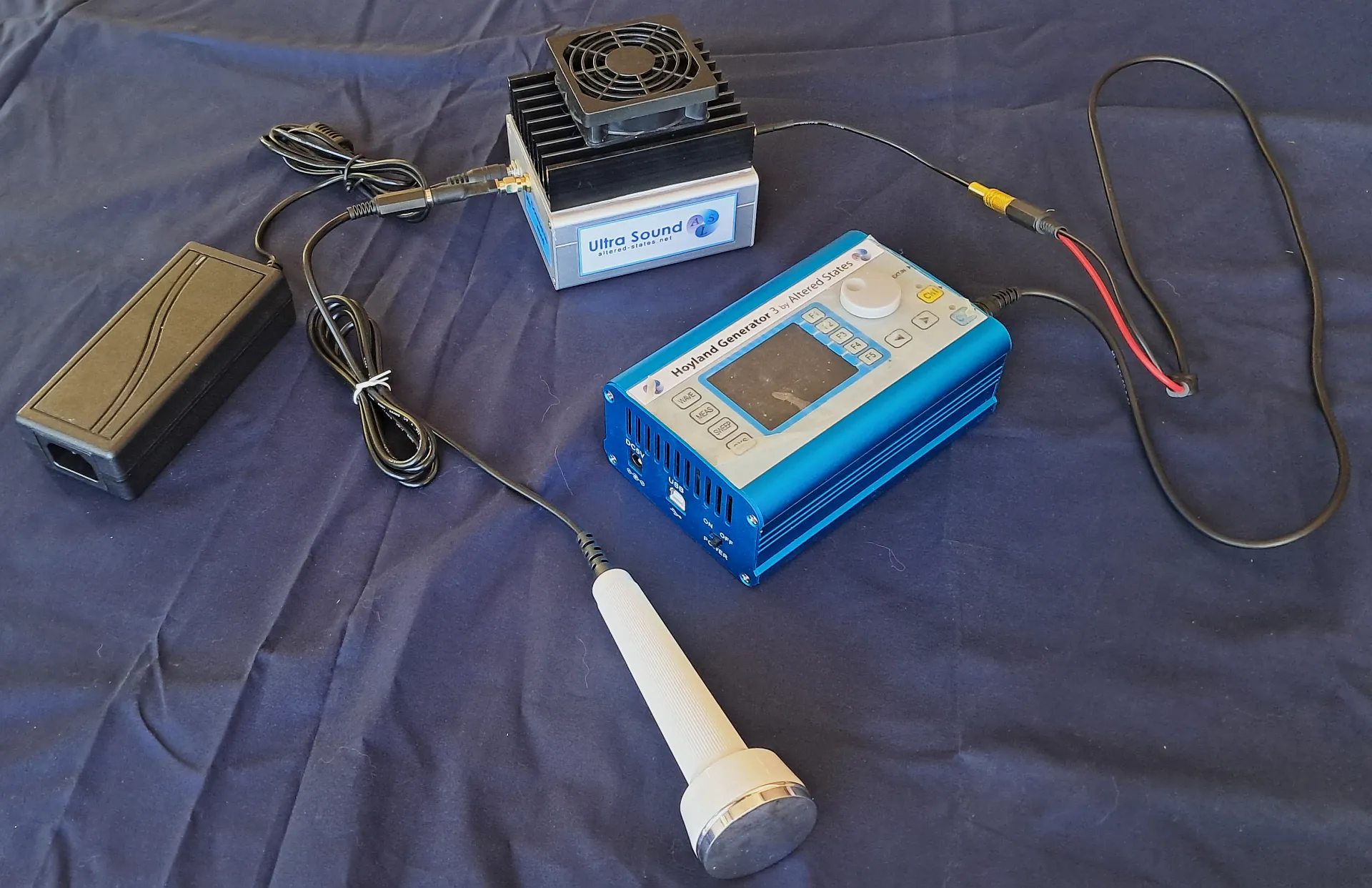 |
Rife Ultrasound
System complete (with Hoyland Unit)
Rife Ultrasound unit
Hoyland Unit
Ultra Sound Sender handpiece
Hoyland ultrasound Software
Standard Ultrasound frequencies of 0.5–0.67 MHz
Power
supplys
Instructions
|
|