
In the nineteenth century, colloidal silver -- also known
as Argentum colloidale, Argentum crede and collargolum
-- was a prominent treatment for everything from colds
to skin infections. In the 1940s, the FDA began its decades-long
oppression of medicinal silver under the guise that it
was unsafe; however, in reality, the FDA banned silver
because of the threat it poses to the antibiotics industry,
rather than any threat it poses for your body. If you'd
like to learn more about the FDA's campaign against silver,
be sure to download the Health
Ranger's Commentary on Curad bandages made with silver.
In his commentary, he not only praises Curad's new bandages,
but also details how astounding their FDA approval is,
given the FDA's historical campaign against the medicinal
use of silver.
Here's an interesting news bit from an issue of the Kiplinger
Letter, one of the largest and most widely read business
forecast newsletters in the United States:
"Silver's germ-fighting ability will get a workout
in new uses. The metal kills disease-carrying microbes
without the harmful side effects of chlorine, other sanitizing
chemicals. Silver will be laced into socks, dish towels,
toothbrushes. Even home appliances, heating and air systems.
Industrial uses too...treating water and cleaning food
processing gear."
However,
the FDA has concluded that the risk of using silver
products
exceeds any unsubstantiated benefit,Why?
That's a pretty interesting news brief, considering that
the FDA has ruled that colloidal silver preparations are "not
proven safe and effective" as germ-killing
agents (FDA Final Ruling July 1999). Furthermore, for
the past six months the FDA and FTC have instituted a massive
ongoing campaign to stop colloidal silver manufacturers
and sellers from mentioning silver's medical qualities
in their advertising. In a recent press release which was
published on page A-1 of The Wall St. Journal and many
other U.S. newspapers, the FDA/FTC cabal bragged that dozens
of colloidal silver sellers were being forced to change
their advertising literature or remove their advertising
altogether. They further bragged that some colloidal silver
sellers were being issued fines of as much as $150,000
for "false advertising" (i.e., for stating in
their advertising that silver has germ-fighting and other
medical capabilities). And at least one colloidal silver
seller is now being taken to court by the feds!
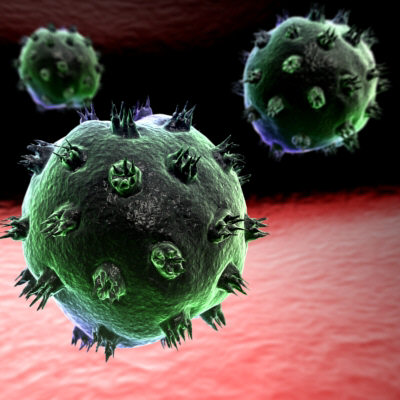 |
Colloidal Silver is a powerful, non-toxic,
natural antibiotic hat is effective against bacteria,
germs, virus and fungi. It is able to protect the human
body from various infections and stimulate new cell
growth. It can be used orally or topically on the skin,
through the rectum, atomized or nebulized into the
lungs, nose and eyes without any irritation or side
effects! |
LOOKS
LIKE THE ABOVE AUTHOR JUST MIGHT HAVE BEEN CORRECT
The FDA has for years used scare tactics
to produce fear and steer people away from Colloidal
Silver products.
But they speak out of both sides of their mouth:
 Silver
is not good- Silver
is not good-
 but
we'll approve it for burn centers but
we'll approve it for burn centers
Silver
is not good-
but
we'll approve it for your newborns'
eyes
Silver
is not good-
but
we'll approve these band-aids
Silver
is not good-
but
we'll approve it for your city water
supply
Higher Education Library Publications (H.E.L.P.),
of Springfield, Utah, was ordered to stop claiming
that its colloidal silver product was effective as
a natural antibiotic and might be effective against
cancer, genito-urinary diseases, tuberculosis, and
AIDS.
Nutrition, Inc., of Arvada, Colorado, was ordered to stop stating
or implying that its Silvicidal, when administered orally or intravenously,
was nontoxic, FDA-approved, and was a broad-spectrum antibiotic
that killed bacteria and all virus and fungal infections. In addition,
it was falsely claimed to be effective against a long list of specific
diseases.
WASHINGTON – The Food
and Drug Administration has found at least 20 Web
sites that may be fraudulently marketing products
with claims that they guard against or cure swine
flu, an agency official said Monday.
The FDA publicly rebuked one
such site Monday — http://rebuildermedical.com — for
offering a $199 "SilverCure Swine Flu Protection
Pack" that includes shampoo, lotion, conditioner
and soap that supposedly deposit traces of silver.
By ERICA WERNER, Associated
Press Writer Erica Werner, Associated
Press Writer – Mon May
4, 8:38 pm ET
BUT
FDA Approves
Silver-Based Bandages for Over-The-Counter Sales.
The U.S. Food and Drug Administration has cleared
over-the-counter sales of silver- based antimicrobial
bandages by Westaim Biomedical Corp., aimed at consumer
use. The bandages will be a lower-dose version of
the company's Acticoat burn and wound dressings.
Reseau International of Cincinnati, Ohio was ordered
to stop claiming that its colloidal silver product
was a "natural antibiotic and anti-inflammatory
immune system stimulant" and that it was effective
against cancer, staph, strep, influenza, general
body infections, inflammation, impaired immune system,
fungus toxicity, tonsillitis, Meniere's symptoms,
whooping cough, shingles, syphilis, cholera, and
malaria. The labeling also stated that colloidal
silver could cause major growth stimulation of human
tissues and can regenerate
BUT
MISSISSAUGA,
Ontario -- Covalon Technologies Ltd. ("Covalon")
(TSX VENTURE:COV) announces that the FDA has approved
Covalon's proprietary silver ion releasing coating
on Foley Catheters for use in the United States
But
didnt the FDA deny this
Ionic silver is well accepted
as an antiseptic and is a proven broad-spectrum
antimicrobial agent that eradicates gram positive
and gram negative bacteria including antibiotic-resistant
bacteria like methicillin-resistant Staphylococus
aureus (MRSA) and Vancomycin-resistant Enterococcus
(VRE). Ionic silver also kills moulds (fungi) including
yeast such as Candida albicans. Covalon has developed
a proprietary coating that is applicable to a wide
variety of medical devices that include dialysis
lines, PICC lines, and various catheters. More
Silverado Inc., of Bountiful, Utah, was warned to
stop making false claims that its colloidal silver
product was effective as an antibiotic, anti-inflammatory,
anti-viral, and anti-fungal agent and that it could
stimulate the immune system.
BUT
Two New Facial Scrubs Contain Silver. Minaloa
Skin Care Products of Irvine, California, has introduced
two new facial cleansing products that contain colloidal
silver to help kill bacteria. Colloidal silver consists
of silver ions dissolved in purified water.
DuPont and HealthShield Team
Up for Antibacterial Brushes. Dupont Filaments
and HealthShield Technologies, Boston Mass., will
begin marketing silver-based antibacterial tooth
brushes, hair brushes and other cosmetic applications
(more)
Unic, of Carmichael, California, was ordered to
stop claiming that its colloidal silver product was
effective against many diseases and could heal burn-damaged
tissue without scarring.
BUT
Derma Sciences,
Inc. (DSCI) Receives FDA Approval For Its Next-Generation
Antimicrobial Silver Alginate Wound Dressing
9/19/2006
PRINCETON, N.J.--(BUSINESS
WIRE)--Sept. 19, 2006--Derma Sciences, Inc. (OTC:
DSCI.OB - News): ALGICELL(TM) Ag Puts the Antimicrobial
Power of Silver Within Clinicians' Reach by Offering
a Cost-Effective Advanced Dressing; Marks Major
Step Toward Reducing Overall Cost-of-Care Associated
with Wound Management Derma Sciences, Inc. (OTC:
DSCI.OB - News) today announced FDA approval of
ALGICELL(TM) Ag Calcium Alginate Wound Dressing
with Antimicrobial Silver, a next-generation product
for patients who require a topical antimicrobial
as part of their advanced wound management protocol.
Advanced wound care is estimated to be a $1 billion
market and growing 10%-15% per year. This will
be the first silver alginate dressing available
that offers the full benefit of antimicrobial ionic
silver combined with the proven wound management
properties of pure alginate fibers. Additionally,
the product will be priced cost-effectively to
help reduce the common cost burden associated with
silver antimicrobial dressings. MORE
In 2000, the Federal Court of Australia banned Vital
Earth Company Pty Limited and its director Darryl
John Jones from falsely representing that the colloidal
silver produced by their "Vital Silver 3000
Zapper," "Vital Silver 2000 Automatic" and "Vital
Silver 2000":
BUT
FDA Approves Antibacterial Silver in Food
Industry: AgIONS ( Antimicrobial / Antibacterial
Silver )
As reported by the Silver Institute, First Quarter 2004
AgIONS Technologies incorporated
received approval by the FDA in October 2003 for
use in the food industry. The FDA informed AgIONS
Technologies that the product has been added to
the FDA's list of food contact substances.
The AgIONS Type AK product
is comprised of 5% silver contained within an inert
crystalline carrier. When subject to small amounts
of moisture, AgIONS begins to release silver ions,
which then act to eliminate bacterial growth on
treated surfaces.
Quackwatch
|
What it looks like is that big business and big industry
are getting ready to start using silver as an anti-microbial
compound in a BIG way, and the FDA/FTC are muscling out
the competition on their behalfs. All the more reason,
of course, to own a >colloidal
silver generator so that you can make your own colloidal
silver.
Who's
telling the truth!!!
| The
Australian Therapeutic Goods Administration amended
its rules so that water-treatment products containing
substances like colloidal silver for which therapeutic
claims are made must meet the requirements of medicines
included in the Australian Register of Therapeutic
Goods. This means that such products can no longer
be legally marketed without proof that they are
safe and effective for their intended purpose.
The amendment was based on conclusions that:
There is little evidence to support
therapeutic claims made for colloidal
silver products;
The risk to consumers of silver toxicity outweighs the value of
trying an unsubstantiated treatment, and bacterial resistance to
silver can occur
Efforts should be made to curb the illegal availability of colloidal
silver products, which is a significant public health issue [16].
|
European
doctors say
Besides the use of silver as necessary
nutrient, large number of data from scientific literature
show that colloidal silver water may be used in treatment
or as adjuvant in treatment of large number of different
diseases and pathologic conditions.
European
doctors say
The most important
effect of colloidal silver water is
in treating infectious conditions caused
by bacteria, fungi and viruses. Such
a treatment may be from outside (treatment
of skin and mucous membranes) as well
as per os (through the mouth) by intake
of colloidal silver water in treatment
of systemic infectious diseases.
More |
The FDA claims
Reviews in the scientific literature on colloidal silver products
have concluded that:
• Silver has no known function in the body.
• Claims that there can be a "deficiency" of silver in the body
and that such a deficiency can lead to disease are unfounded
.• Claims made about the effectiveness of colloidal silver
products for numerous diseases are unsupported scientifically. hmm
Are the russian scienists and doctors lying??? |
SO
EITHER THESE GOVT DEPTS ARE BLIND OR SOMEONES NOT BEING
TRUTHFULL?
Colloidal Silver to be Regulated by EPA, THE
EPA were to vote TO DECLARE COLLOIDAL SILVER A
PESTICIDE (because colloidal silver is known to
kill bacteria and virus) and therefore will regulate
the distribution of COLLOIDAL SILVER!
A simple, clay filter incorporating the microbiological
inhibiting properties of colloidal
silver is providing clean drinking water to families
throughout the developing
world. |
Equally interesting is that in July 1999 the FDA specifically
ruled that silver gels and ointments -- which are applied
as an antiseptic and santizing agent to external cuts and
scrapes rather than used internally -- were to be altogether
banned as they had no proven legitimate medical uses(interesting
how the FDA Just Approved Silver-Based Bandages for Over-The-Counter
Sales.). And indeed, in 1999 the FDA quickly had
these products taken off the market. Yet here we see big
business and big industry getting ready to use silver as
an antiseptic and santitizing agent in numerous external
applications, including as as a water treatment sanitizer,
a food processing gear sanitizer, and even having silver
laced into dish towels, socks and toothbrushes as a disenfectant
agent! Hey, either it works for external purposes,
or it doesn't -- you can't have it both ways.
If you have been wondering why the feds have been so adamant
over the past year about pushing colloidal silver manufacturers,
sellers and users as far into the shadows as possible,
you are now getting a glimpse of the reason. Yes, big business
and big industy have BIG plans for using silver as a disenfectant/antiseptic/sanitizing
agent. And they obviously don't want any competition!
by Life & Health Research Group, 25277 W. Main St., Lenwood, CA 92311.
http://www.drclark.net/news/silver_industry.htm
The "silver" people among us!
Who are they?
| The professor Yuri P.Uliyanov
has established that every third among us is a "silver".
Constitution of the silver people is programmed
to use silver in immunity, protective and vital
processes, therefore they require ions of silver,
for example, in silver water - sacred water, silver
utensils and silver ornaments. The alternative
medicines for silver do not exist, therefore for
silver already today traditional ways of medicimal
therapy require reconsideration.MORE |
 |
Colloidal silver is a tasteless, odourless,
non-toxic, alkaline substance that scavenges and
destroys bacteria, fungi and viruses. Some studies
have proved that it is able to kill over 650 micro-organisms,
resulting in the removal of disease-causing organisms
from the body.
|
| From November 1997 through December 2005, the FDA
received 262 reports of tendon ruptures, mainly of
the Achilles tendon, 258 cases of tendonitis and 274
cases of other tendon disorders in patients using fluoroquinolone
antibiotics. An additional 74 tendon ruptures have
subsequently been reported to the FDA for a total of
336. Because only a small fraction of cases are typically
reported to the FDA, the actual number of ruptures
and other tendon injuries attributable to the antibiotic
is much higher
Source: Healthy News
One can only imagine the FDA's reaction if 336
tendon ruptures had been reported for those who
take the best antibiotic and pathogen destroyer
on the planet - colloidal silver. No doubt, they
would have raided the manufacturer with storm troopers
and shut it down years ago, just as they have done
many times with the manufacturers and sellers of
other natural competitors to drug company products.
Tony
Isaacs |
LOOKS LIKE
THE ABOVE AUTHOR JUST MIGHT HAVE BEEN RIGHT
The comeback of silver in medicine began in the 1970's.
The late Dr. Carl Moyer, chairman of Washington University's
Department of Surgery, received a grant to develop better
treatment for burn victims. Dr. Harry Margraf of St. Louis,
as the chief biochemist, worked with Dr. Moyer and other
surgeons to find an antiseptic strong enough, yet safe,
to use over larger areas of the body. Dr. Margraf reviewed
22 antiseptic compounds and found drawbacks in all of them.
(SILVER IS USED IN ALL MAJOR BURN CENTERS IN THE UNITED
STATES. UCLA MEDICAL LABS FOUND IT EFFECTIVE ON EVERY VIRUS
THEY TESTED IT ON.)
He noted that many of these antibiotics were ineffective
against a number of harmful bacteria, including the biggest
killer in burn cases - greenish blue bacterium called Pseudomonas
acruginose. Extensive trials proved silver to be the most
effective and is currently used in all major burn centers
in the United States.
"No fewer than 34 different prescribed and
over-the-counter medications containing silver were
not only widely sold by industry, they were also
approved by the very same FDA which now seeks to
warn us of its dangers and have us believe it is
ineffective. " Tony
Isaacs
Approved FDA & Canadian
Ministry of Health Indications
Silverlon® Wound Contact Dressings are indicated for local
management of first and second degree burns, incisions, skin grafts,
donor sites, lacerations, abrasions, pressure sores, chronic wounds,
chronic ulcers, dermal ulcers, vascular ulcers, and diabetic ulcers. More |
One of the most advanced research & treatment
hospitals in the United States, The Helford Clinical Research
Hospital will house the nation's largest bone marrow transplant
facility. Among its high tech state-of-the-art arsenal
is a silver and zeolite powder coating used specifically
to harness the antimicrobial power of the silver ion. The
antimicrobial powder coating ( AgION ) is applied to steel
machinery and equipment, and has EPA and FDA approval for
use in a variety of applications.
The zeolite acts as a silver ion pump, and helps to maintain a sterile
environment and prevent the proliferation of microbes. AgION is a surface
treatment solution, and is especially ideal for equipment used in the
medical field and the food industry.
"The Helford Clinical Research Hospital is a reflection
of City of Hopes philosophy of fusing leading-edge technology
and research with compassionate care of the soul,"
- Gil N. Schwartzberg, president and chief ex ecutive officer of City
of Hope
silver
gel healed wounds that just wouldn't heal !!!
Curad Silver Bandage Analysis
June 25, 2004
David E. Marx, Ph.D.
Purpose: Two commercially available bandage strips were chosen for this
study. Both strips are marketed as a Curad® brand strip containing
silver as the active ingredient, one had silver present on the absorbent
pad, while the other contains silver in a gel residing on the pad.
The purpose of this analysis was to determine the construction, silver
release rates, % silver, and zones of inhibition for four different
organisms using Kirby-Bauer testing for these silver bandage strips more
AIDS-related pneumonia due to staphylococcal, pneumocystis,
streptococcal, klebsiella and fungal infections may also
warrant internal use of colloidal silver. These types of
pneumonia are very difficult to fight with traditional
antibiotic treatment; moreover, people with weakened immune
systems, such as acquired immune deficiency syndrome, are
especially prone to them. For a weak immune system, these
types of pneumonia are sometimes unbeatable, making alternative
measures a necessity. "Dr. Marchial-Vega had considerable
clinical experience with a colloidal silver preparation
that contains between 20 and 25 parts of silver per million
parts of water. This preparation has proven effective in
patients with HIV¦ In the hospital, the therapy
is administered by a special nebulizer as well as orally," reports
Dr. James Howenstine in A Physician's Guide to Natural
Healing Products that Work.
Pierce Instruments in Stowe, Vermont, markets Silvelon,
anylon-Silver fabric used to make odor-proof socks and
shoe-liners, antiseptic kitchen sponges, wound and burn
healing aids, and topical applications to speed healing
of cuts, canker sores, warts, and acne releasing colloidal
silver on site.
| The 1958, 1963 and 1971 WHO International Standards
for Drinking-water did not refer to silver. In the
first edition of the Guidelines for Drinking-water
Quality, published in 1984, it was not
considered necessary to establish a guideline value
for silver in drinking-water. No health-based guideline
value for silver was proposed in the 1993
Guidelines. Where silver salts are
used to maintain the bacteriological
quality of
12. CHEMICAL FACT SHEETS 435 drinking-water,
levels of silver up to 0.1 mg/liter
can be tolerated without risk to health.
Assessment date
The risk assessment was originally
conducted in 1993. The Final Task Force
Meeting in 2003 agreed that this risk
assessment be brought forward to this
edition of the
Guidelines for Drinking-water Quality.
Principal reference
WHO
(2003) Silver in drinking-water.
Background document for preparation
of
WHO Guidelines for drinking-water
quality. Geneva, World Health Organization
(WHO/SDE/WSH/03.04/14).
|
The revived Rosemary Jacobs story (Blue Lady) brought
on more pharmaceutical empire directed speeches and media
interviews. Here again the MOST IMPORTANT FACT THAT SHE
TURNED BLUE USING SILVER NITRATE UNDER THE DIRECTION OF
HER PHYSICIAN was conveniently left out. This was not colloidal
silver but colloidal silver is being blamed as the blue
agent by the pharmaceutical empire.

Rediculously higH Doses
Argyria developed after a total dose of 4, 7 or 8 g in
some patients, while in others, argyria did not develop
until after a total dose of 10, 15 or 20 g. In the biospectrometric
analysis of skin biopsies from 10 cases of generalized
argyria, the authors confirmed that the degree of the discoloration
is directly dependent on the amount of silver present.
The authors concluded that argyria may become clinically
apparent after a total accumulated i.v. dose of approximately
8 g of silver arsphenamine. The book entitled "Argyria.
The Pharmacology of Silver" reached the same conclusion,
that a total accumulative i.v. dose of 8 gm silver arsphenamine
is the limit beyond which argyria may develop (Hill and
Pillsbury, 1939).More
-----------------------------------------------------------
Some
countries completely dissagree with the FDA
On the basis of the achieved results we may
conclude that by application of colloidal silver water
was achieved significant success in treatment of patients
with mild urinary infection, and in combination with antibiotic
in grave urinary infections.
In Kragujevac
On May 25, 2007.
Prof. dr Olgica Gajovic
Specialist in Infectious Diseases
What the FDA
is doing and what the public thinks it is doing are
as different as night and day."
Dr. Herbert
Ley
Former U.S. FDA Commissioner
Conclusions
1. Chronic ethmoiditis in "silver people" advances without
the polypous process and without vasomotor disturbances of nasal mucosa,
therefore, the edema of mucosa in the area of the ostium of the ethmoid
cellular system bears a purely inflammatory character.
2. Use of sol. Collargoli 5% during treatment of chronic
ethmoiditis in "silver people" is justified and
highly effective, since it allows the realistic possibility
of eliminating the inflammatory edema of the mucosa of
the ostium of the ethmoid cells, that restores their drainage
without surgical intervention.
3. During treatment of chronic purulent ethmoiditis in "silver
people," use of silver-containing drops should be
recommended for the nose (sol. Collargoli 5%) with simultaneous
general antibacterial (antibiotic) therapy.
4. The "southern" type of nasal aerodynamics
could be one of the programmed cause of development of
chronic ethmoiditis and so, such nasal aerodynamics is
needed in additional reconstruction into the "northern" one.
Silver products
can still be sold as "dietary supplements"
provided that no health claims are made for them.
Now we can see why
SO WHAT DOESN'T
COLLOIDAL SILVER DO?
It doesn't interact with any other medications. It doesn't
upset the stomach and in fact is a digestive aid. It does
not sting the eyes. Medical journal reports and documented
studies spanning the past 100 years indicate no known side
effects from oral or IV administration of colloidal silver
in animal or human testing.
Colloidal silver has been used with good results under
the most demanding health care circumstances. Without overstating
the case, it may be time to recognize colloidal silver
as not only the safest medicine on Earth but also the most
powerful.
Looking back at all the trouble and roadblocks
the FDA and the pharmaceuticals companies have
caused with regard to Colloidal Silver Products,
perhaps it has worked out for the best. Even the
EPA (Environmental Protection Agency)... they list
no known toxicity level for Colloidal Silver, yet
they have come up with a "safe" dose.
It's important that these entities keep the fear
and confusion alive because of the big money at
stake.
We now have the ability
to make our own Colloidal Silver at home; |
4.8
References
[1] Palchun V.T., Ustyanov Y.A., Dmitryev N.D. Paranasal sinusitides, Ìoscow:
1982, 150. (in Russian)
[2] Piskunov S. Z., Piskunov G. Z., About physiological
role of nasal sinuses. Russian Rhinology. 1997;(1):16-7.
(in Russian)
[3] Borzov E. V., Sakharov V. I. Nasal sinusitises for
children. Russian Rhinology.1997;(2):18. (in Russian)
[4] Piskunov S. Z., Razinkov S. P., Dolzhikova N. V.,
Tarasov I. V., Korshikov V. N., Elkov I. V. Complex function
endoscopically surgery of nose and nasal sinuses. Russian
Rhinology.1998;(2):62-3. (in Russian)
[5] Mandy S.H. A new primary wound dressing made of polyethylene
oxide gel. Dermatol.Surg.Oncol.1983; 9:153-5.
[6] Grinnell F. Fibroblasts, myofibroblasts, and wound
contraction. Cell, Biol. 1994;124:401-4.
[7] Piskunov C. Z., Some anatomic-physiological problems
of function rhino-sinus-surgeries. The Russian Rhinology.
1998;(2):62. (in Russian)
[8] UliyanovY.P, Acute rhinitis and drugs of silver. J.Vrach.
1998; (4):40. (in Russian)
[9] UliyanovY.P. Acute rhinitis and silver people among
us. Abstract of the report in MidWinter Meeting of ARO.
2000. http://www.aro.org/
|