"Wellness is a state of dynamic
balance in the body where illness simply can not exist.
This self evident
axiom holds
true that "in perfect balance there can be no disease." The
human body is a magnificent and miraculous machine that
constantly repairs itself from damage, foreign invaders
and mutant cells when it is in balance.
Conversely, when the body is out of balance a host of
possible diseases can and usually do occur" |

A generation ago, many Peoples believed that medical science
had conquered infectious diseases. Vaccines protected against
the ravages of smallpox, whooping cough, and polio. New antibiotic
drugs cured diseases such as tuberculosis, pneumonia, and
streptococcal infections. In the United States and other
industrialized nations, cleaner, safer living conditions
had virtually eliminated malaria, cholera, and other severe
diarrheal and parasitic diseases.
Candida auris
April 17, 2019: Updated Antifungal Susceptibility
Testing and Interpretation to report the first 2
pan-resistant U.S. cases
March 29, 2019: Case count updated to 617
Candida auris is an emerging fungus that presents
a serious global health threat. CDC is concerned
about C. auris for three main reasons:
It is often multidrug-resistant, meaning that it
is resistant to multiple antifungal drugs commonly
used to treat Candida infections.
It is difficult to identify with standard laboratory methods, and it can be
misidentified in labs without specific technology. Misidentification may lead
to inappropriate management.
It has caused outbreaks in healthcare settings. For this reason, it is important
to quickly identify C. auris in a hospitalized patient so that healthcare facilities
can take special precautions to stop its spread.
Source
Why is Candida auris a problem?
It causes serious infections. C. auris can cause
bloodstream infections and even death, particularly
in hospital and nursing home patients with serious
medical problems. More than 1 in 3 patients with
invasive C. auris infection (for example, an infection
that affects the blood, heart, or brain) die.
Candida auris: A Drug-resistant Germ That Spreads in
Healthcare Facilities |
Despite a myriad of medical advances, infectious diseases
today remain among the most serious challenges to public
health, killing more people worldwide than any other single
cause. In the United States, new diseases such as AIDS, Lyme
disease, Legionnaires’ disease, hantavirus pulmonary
syndrome, and hepatitis C have emerged to sicken or kill
thousands of Americans each year.
Immune System
In addition, other new diseases that seemed to be under
control are now reappearing. Many microbes and insect vectors
of disease are undeterred by previously effective control
strategies. For example, some tuberculosis bacteria are no
longer susceptible to antibiotics, and many mosquitoes carrying
malaria parasites are resistant to insecticides. Diseases
are also spreading to new geographic locations—cholera
outbreaks in South America and dengue fever in the southern
United States.
How can these Immune System challenges be
met?
Rife
Immune System Debate
There are a number of body areas that are definitely under-researched
as they are not readily visible to microscopes, let alone
the naked eye. The lymphatic system, nervous system, and
the immune system are the most talked about. Our immune systems
keep disease at bay and try to rally round the wagons when
invaders appear.
We’ve been told to visualize our white blood cells
fighting off viruses, bacteria and even cancer as well as
visualizing pain retreating and becoming manageable. Biofeedback
has become a part of mainstream medicine. So, to some extent,
our minds control what the rest of our bodies do, and whether
or not everything functions properly. That means, the immune
system is not an individual section of the body that is independent
of our organs and skeletal structure.

It’s no wonder that stress, worry, fear, lack of money,
relationship problems, family conflict and work issues have
been found to affect the immune system, opening our bodies
to all manner of attackers. How can we be healthy when our
minds are occupied 18 hours a day (assuming we sleep for
8 hours) with fending off outside influences. Since the 1950s
our collective lives have become much more complicated. Women
in those days thought that they were unfulfilled because
they didn’t work outside the home. Now, women wonder
how they got into the position working two full time jobs
(one of them totally unpaid) with no relief in sight? No
wonder many men and women are opting out of the rat race
and trying to get back to a semblance of the simple life.
I now know why most people yearn for a cottage by a lake
or a cabin in the wilderness by a babbling brook.
The Immune System
"They viewed disease or illness
as a battle of vibrations between the cells of
the body versus viruses and bacteria.
If the pathogenic organisms won this vibrational
contest, the cells would become energetically weakened
and more
susceptible to disease. According to Lakhovsky,
the way to counter this vibrational attack was
to introduce
a
broad spectrum of RF (radio frequency) harmonic
energies into the system and then, through the
principle of
sympathetic resonance, each cell would pick out
exactly the proper
frequency needed to reinforce its own internal
vibration and the healthy cell would be more resistant
to vibrational
attack from virus and bacteria"
|
A therapy based on the immune system is the Rife Cancer
treatment which uses high frequencies to eliminate parasites
that have invaded the organ that is affected. First comes
the parasite/virus, and then the cancer. A depressed immune
system allows this to happen and when the cancer cells start
multiplying, the body cannot fight back.
Something as simple as a cut or a scratch can
tell you if your immune system is weak or strong. If healing
starts immediately, there’s no problem, but if the cuts
always become infected before eventually healing, one should
start working on the immune system.
How can these challenges be met?
Click on the links below....
Rife Crane Pro
Lakhovsky,s MWO
Multi
Pulser

How is your health? How
is the health of your friends and loved ones? Are you and or your employer paying
enough on the health insurance for you and your family?
Are you at all concerned that bacteria all over the
planet are rapidly becoming resistant to all antibiotics.
Are you concerned that at the present rate of development
of bacteria antibiotic resistance we will effectively
be back in the pre-antibiotic era in just a few years?
We now have different types and strains of bacteria
all around the world that are only treatable with a
single type of antibiotic and these bacteria are becoming
resistant to this single antibiotic and there are no
new antibiotic types in the research pipe line to use
when these bacteria become totally resistant.
How would your friends, your family, and you like
to be free from essentially all microbe (bacteria,
viruses, fungus, and one cell organisms) caused disease
and illness without the use of antibiotics?
by Gary Wade, Physicist and Research Director of the American Institute
of Rehabilitation, 11/14/00 |
G LAKHOVSHY Multiwave Oscillator
We believe that in the future if the powers to be are retrained
every home will be using this amazing technology...
When a body becomes overwhelmed with toxic substances, thoughts
or feelings, the positive bio-electric field is immensely
lowered in vibration and frequency. In other words, our body
has a higher frequency or vibration when it is healthy and
a lower vibration when it is sick.
Healthy cells, according to Nobel prize winner Otto Warburg,
have cell voltages of 70 to 90 millivolts. Due to the constant
stresses of modern life and a toxic environment, cell voltage
tends to drop as we age or get sick. As the voltage drops,
the cells are unable to maintain a healthy environment for
themselves. If the electrical charge of a cell drops to 50,
a person can become chronically fatigued and may get sick
often. If the voltage drops to 15, the cell becomes diseased.
When the body's immune system gets overwhelmed and cannot
fight an abundance of toxins and then we continue to put
toxins into our bodies and minds such as alcohol, nicotine,
caffeine, negative fear-based thoughts and heavy emotions,
we can experience a physical imbalance.
The atoms of a body that are being affected by a negative condition, have an
oscillating rate that is lower than it was originally designed to have. After
many months or years of this internal dis-harmony, our immune system can weaken
and the symptoms begin to show in the form of an actual terminal physical imbalance
or disease. All cells have small electrically powered pumps whose function
is to bring in nourishment, and take out toxins. Imagine going into a house
where the power has been turned off. The plumping wouldn't operate so the toilets
wouldn't work. There would be no running water; therefore, no showers or baths
could be taken and doing dishes would be impossible. The refrigerator wouldn't
work so there wouldn't be any food to eat, and the food that was in there would
go bad. Add to that trash strike and now trash is piling up. As you could guess,
anyone living in that house would probably get sick
"Rife machines and Multiwave
oscillators are claimed to complement each other
based on the
principle that
life forms absorb energy. A multiwave Oscillator uses
this principle to strengthen cells within the body
to resist disease while a Rife machine uses this
principle
to destroy microorganisms with an overdose of frequency
energy." |
. It is the same
for the cells of the body. Without enough energy to operate,
the cells become toxic and malnourished.
Then, when presented with an infectious organism they have
lost the vitality to resist.

One way to efficiently and safely raise cell voltages is
with a device called an MWO. Invented by Georges Lakhovsky
in the early 1900's. Dr. Lakhovsky discovered that healthy
cells acted like little batteries and discovered how to recharge
them (raise their voltages). He found that transmitting energy
in the range between 750,000 hertz and 3,000,000,000 hertz
raised the cell's voltage.
Dr. Lakhovsky had great results with all types of physical imbalances.
Most illness is an autoimmune illness. When your immune
system cannot ward off a problem in your system in time,
something fails. Your only defense is your immune system.
By raising the oscillating frequency of every atom in your
body, we are increasing the rate at which the immune system
operates as well as eliminating the negative toxins that
your body is trying to fight off.
"During illness, the vital force is weak and incapable
of supporting the body and its functions. In health,
however, the opposite occurs: the force is strong and
is able to counteract sickness and decay. What keeps
the immune system running is the energy that feeds it,
the substance of life. The body will not run well, or
will at least run with all sorts of mechanical problems,
when there is no energy to support it."
|
How can these
challenges be met?
Click on the links below....
Rife
Crane Pro
Lakhovsky,s
MWO
Multi
Pulser

The
Body's First Line of Defense
The immune system is a complex of organs, highly specialized cells and even a
circulatory system separate from blood vessels, all of which work together to
clear infection from the body.
The organs of the immune system, positioned throughout the body, are called
lymphoid organs. The word "lymph" in Greek means a pure, clear stream.
An appropriate description considering its appearance and purpose.
| Lymphatic
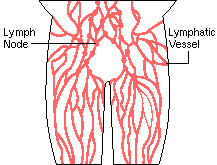
vessels form a circulatory system that operates in close partnership
with blood circulation. |
|
Lymphatic vessels and lymph nodes are the parts of the
special circulatory system that carries lymph, a transparent fluid containing
white blood cells, chiefly lymphocytes. |
| Lymph bathes the tissues of the body, and the
lymphatic vessels collect and move it eventually back into the blood circulation.
Lymph nodes dot the network of lymphatic vessels and provide meeting grounds
for the immune system cells that defend against invaders. The spleen, at
the upper left of the abdomen, is also a staging ground and a place where
immune system cells confront foreign microbes. |

| Organs and tissues
of the immune system dot the body in a protective network of
barriers to infection. |
|
Pockets of lymphoid tissue are in many other locations throughout the body,
such as the bone marrow and thymus. Tonsils, adenoids, Peyer's patches, and
the appendix are also lymphoid tissues.
Both immune cells and foreign molecules enter the lymph nodes via blood vessels
or lymphatic vessels. All immune cells exit the lymphatic system and eventually
return to the bloodstream. Once in the bloodstream, lymphocytes are transported
to tissues throughout the body, where they act as sentries on the lookout for
foreign antigens.
TAKE STEPS TO BOOST YOU IMMUNE
SYSTEM TODAY
don't leave it till its nearly too late
| SCIENCE AFTER YEARS OF HAVING THEIR HEAD STUCK IN THE SAND ARE CLAIMING
a
New Way to Kill Viruses: Shake Them to DeathBy Michael Schirber, Special
to LiveScience
posted: 05 February 2008 09:27 am ET1
Newsvine
Scientists may one day be able to destroy viruses in the same way that
opera singers presumably shatter wine glasses. New research mathematically
determined the frequencies at which simple viruses could be shaken to
death.
Rife knew this truth 70 years ago
Rife focused on refining his method of destroying viruses. He used
the same principle to kill them, which made them visible - resonance.
By increasing the intensity of a frequency which resonated naturally
with these microbes, Rife increased their natural oscillations until
they distorted and disintegrated from structural stresses. Rife called
this frequency the mortal oscillatory rate, or MOR. Importantly noted
is the fact that MOR did not harm the surrounding tissues.
Shattering Tumors with resonant frequencies:? |
How the Immune System Works
Cells that will grow into the many types of more specialized cells that circulate
throughout the immune system are produced in the bone marrow. This nutrient-rich,
spongy tissue is found in the center shafts of certain long, flat bones of
the body, such as the bones of the pelvis. The cells most relevant for understanding
vaccines are the lymphocytes, numbering close to one trillion.
The two major classes of lymphocytes are B cells, which grow to maturity
in the bone marrow, and T cells, which mature in the thymus, high in the chest
behind the breastbone.
B cells produce antibodies that circulate in the blood and lymph streams
and attach to foreign antigens to mark them for destruction by other
immune cells.
B cells are part of what is known as antibody-mediated or humoral immunity,
so called because the antibodies circulate in blood and lymph, which
the ancient Greeks called, the body's "humors." |
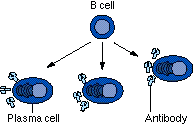
B cells become plasma cells, which produce antibodies when
a foreign antigen triggers the immune response. |
|
Certain T cells, which also patrol the blood and lymph for foreign invaders,
can do more than mark the antigens; they attack and destroy diseased cells
they recognize as foreign. T lymphocytes are responsible for cell-mediated
immunity (or cellular immunity). T cells also orchestrate, regulate and coordinate
the overall immune response. T cells depend on unique cell surface molecules
called the major histocompatibility complex (MHC) to help them recognize antigen
fragments.

| Antibodies
produced by cells of the immune system recognize foreign antigens
and mark them for destruction. |
|
Antibodies
The antibodies that B cells produce are basic templates with a special
region that is highly specific to target a given antigen. Much like
a car coming off a production line, the antibody's frame remains constant,
but through chemical and cellular messages, the immune system selects
a green sedan, a red convertible or a white truck to combat this particular
invader. |
However, in contrast to cars, the variety of antibodies is very large. Different
antibodies are destined for different purposes. Some coat the foreign invaders
to make them attractive to the circulating scavenger cells, phagocytes, that
will engulf an unwelcome microbe.
When some antibodies combine with antigens, they activate a cascade of nine
proteins, known as complement, that have been circulating in inactive form
in the blood. Complement forms a partnership with antibodies, once they have
reacted with antigen, to help destroy foreign invaders and remove them from
the body. Still other types of antibodies block viruses from entering cells.
Low-intensity electric current-induced effects on human lymphocytes and
leukemia cells
Narendra P. Singh and Henry Lai
Department of Bioengineering
University of Washington
Seattle, WA
USA
The purpose of this study is to investigate whether low-intensity current
affects cells in culture. Two types of human cells: white blood cells
(lymphocytes) and leukemia cells (molt-4 cells), were studied. A low-intensity
time-varying electric current (0.14 milliamp) generated by the Clark
Zapper was applied to cell cultures via two platinum electrodes for 2
hrs at 37o C. Cell counts were made at different times after electric
current application. Results show that the current had no significant
effect on human white blood cells up to 24 hrs after exposure, whereas
it significantly inhibited the growth of leukemia cells. At 24 hrs after
exposure, concentration of leukemia cells exposed to the electric current
was only 58% of that of non-exposed leukemia cells. These data suggest
that the electric current can selectively inhibit the growth of leukemia
cells and does not significantly affect normal cells. A manuscript describing
these results is in preparation for publication. In addition, the same
electric current exposure (0.14 milliamp, 2 hrs at 37oC) was applied
to E. coli bacteria cultures. No significant effect of the current was
observed in E. coli cultures at 24 hrs after exposure.
Further research should investigate whether this selective electric
current-induced growth inhibition also occurs in other types of cancer
cells. The critical current parameters and mechanism of this effect should
also be investigated. |
T Cells
T cells have two major roles in immune defense. Regulatory T cells are essential
for orchestrating the response of an elaborate system of different types
of immune cells.
Helper T cells, for example, also known as CD4 positive T cells (CD4+
T cells), alert B cells to start making antibodies; they also can activate
other T cells and immune system scavenger cells called macrophages and
influence which type of antibody is produced.
Certain T cells, called CD8 positive T cells (CD8+ T cells), can become
killer cells that attack and destroy infected cells. The killer T cells
are also called cytotoxic T cells or CTLs (cytotoxic lymphocytes). |
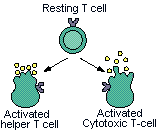
| T lymphocytes
become CD4+ or helper T cells, or they can become CD8+ cells,
which in turn can become killer T cells, also called cytotoxic
T cells. |
|
Immune system process
Activation of helper T cells
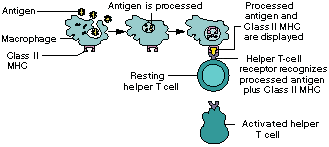
After it engulfs and processes an antigen, the macrophage displays the antigen
fragments combined with a Class II MHC protein on the macrophage cell surface.
The antigen-protein combination attracts a helper T cell, and promotes its
activation.
Activation of cytotoxic T cells
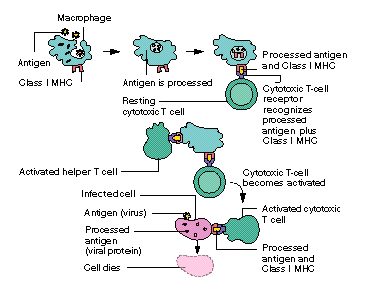
After a macrophage engulfs and processes an antigen, the macrophage displays
the antigen fragments combined with a Class I MHC protein on the macrophage
cell surface. A receptor on a circulating, resting cytotoxic T cell recognizes
the antigen-protein complex and binds to it. The binding process and a helper
T cell activate the cytotoxic T cell so that it can attack and destroy the
diseased cell.
Activation of B cells to make antibody
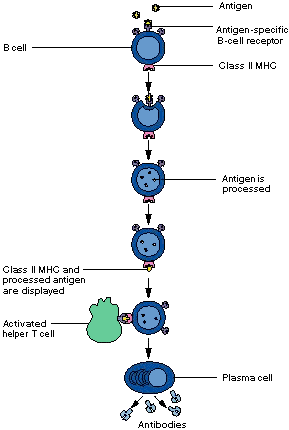
A B cell uses one of its receptors to bind to its matching antigen, which
the B cell engulfs and processes. The B cell then displays a piece of the antigen,
bound to a Class II MHC protein, on the cell surface. This whole complex then
binds to an activated helper T cell. This binding process stimulates the transformation
of the B cell into an antibody-secreting plasma cell.
TAKE STEPS TO BOOST YOU IMMUNE SYSTEM TODAY
don't leave it till its nearly too late
How can these challenges be
met?
Click on the links below....
 |
Rife
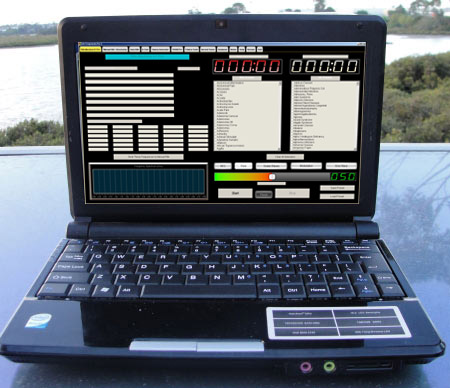
There are many different theories behind Rife machines.
Bacteria and virus break a part at certain frequencies. Electrical
stimulation makes the immune system stronger. The body becomes ill from
abnormal
electrical patterns. Rife machines may correct the electrical imbalance
in the body. It could be possible that cell regeneration is produced
by
certain electrical frequencies. Tumors or cancers may Shatter,overheat
and die when exposed to Rife frequencies
Rife
Crane Pro option 2-3a |
| |
|
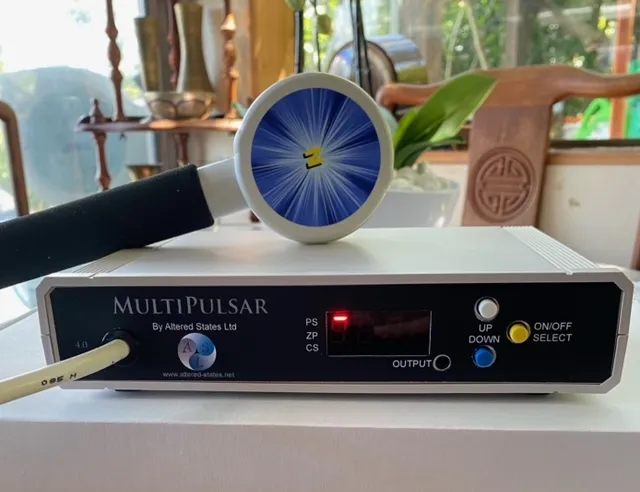 |
MultiPulser v2
In 2009, sixteen years after Hulda Clark first published that parasites
can cause cancer, the Queensland Institute of Medical Research publishes:
Parasite turns cells cancerous
Scientists have found that the human liver fluke (Opisthorchis viverrini)
contributes to the development of liver cancer by secreting granulin,
a growth hormone that is known to cause uncontrolled cell growth.
“It has been known that certain proteins secreted by O. viverrini
cause cell growth, however the identity of the protein was unknown. We
also knew that the parasite secreted granulin but we did not know that
it could affect the human cells around it,” said Dr Loukas.
“This discovery leads the way to a better understanding of how
this parasite causes such a devastating form of cancer,” said Dr.
Loukas.
Multi
Pulser v3 |
| |
|
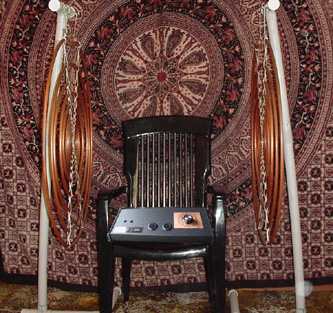 |
Lakhovsky,s MWO
When these outside sources of oscillations are in sympathy, that is
they are of the exact same frequency as that produced by the cell, the
strength and vigor of that cell will be reinforced and become stronger.
Lakhovsky,s
MWO On Special |
| |
|
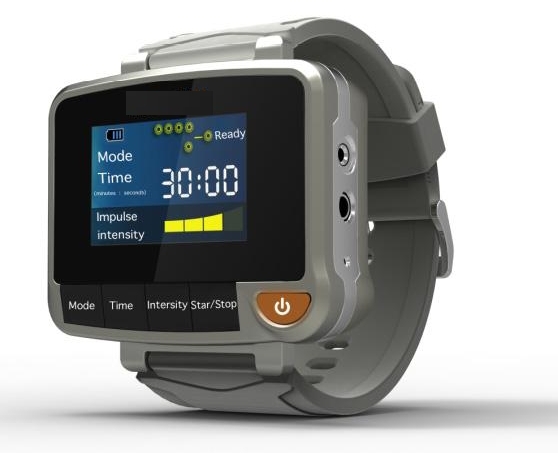 |
Lasers
1)Improve blood viscosity through laser blood irradiation
2)Improve blood oxygen carrying capacity through laser blood irradiation
3)Reduce blood-fat and total cholesterol through laser blood irradiation
4)Quickly and effectively correct the abnormal lipid metabolism and maintain
balanced levels of the lipid metabolism in the human body through laser
blood irradiation.
5)Improve the partial blood circulation around the nasal cavities and
help functioning of the nasal mucosa membranes through irradiation of
the nasal cavities
3-in-1 Wrist Laser
Complete
Laser Care System
UltraSound
/ Laser unit |
| |
|
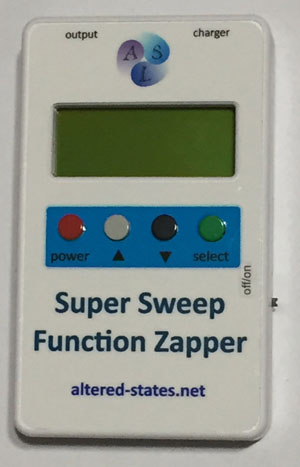 |
Hulda Clark Super Sweep function Zapper
DESCRIPTION:
The New Super sweep function Zapper generates square wave frequencies with
intensity adjustable output. and allows automatic useof the Hulda Clark Protocols
5 Built in programs
P1:7min F1, 20min off, 7min F1, 20min off, 7min F1, 20min off, 3min F2, off
P2: 7min S1, 20min off, 7min S1, 20min off, 7min S1, off
P3: 7min S2, 20min off, 7min S2, 20min off, 7min S2, off
P4: 7min S1-S2 repeat, 20min off, 7min S1-S2 repeat, 20min off, 7min S1-S2
repeat, off
P5: 7min 26KHz - 2.3KHz repeat, 20min off, 7min 28KHz - 2.4KHz repeat, 20min
off,
7min 30KHz - 2.5KHz repeat, 20min off, 7min 32KHz - 2.6KHz repeat, 20min off,
7min 34KHz - 2.7KHz repeat, off
Above:
F1=30 KHz;
F2=2.5 KHz;
S1=frequency scan 2.3 - 2.4 - 2.5 - 2.6 - 2.7 KHz. Scanning rate is 1 second;
S2=frequency scan 26 – 28 - 30 – 32 – 34 KHz. Scanning rate
is 1 second;
|
|